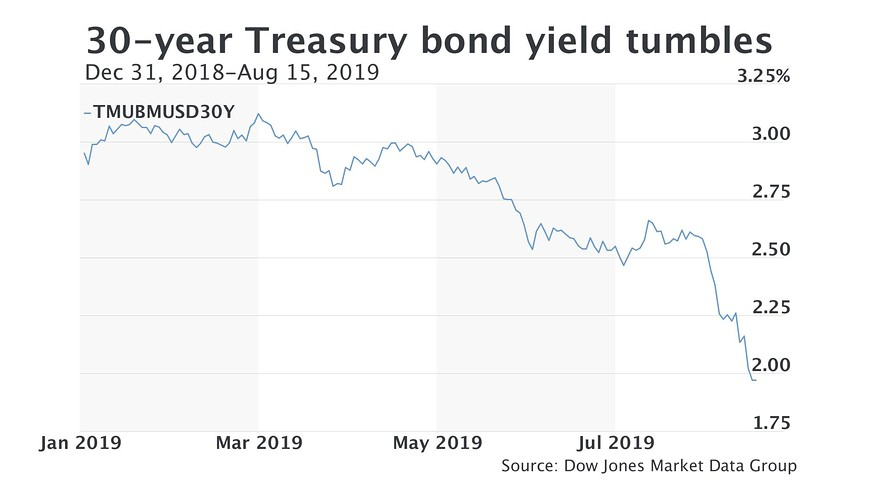
The 30-Year Treasury is one of the most important financial instruments in the global bond market. Issued by the U.S. government, the bond represents long-term sovereign debt that pays investors regular interest payments over a 30-year period before returning the original principal at maturity.
Because it is backed by the full faith and credit of the United States government, the 30-Year Treasury is widely regarded as one of the safest investments in global finance. Pension funds, insurance companies, institutional investors, foreign governments, and individual savers all use long-term Treasury bonds as part of broader portfolio and risk-management strategies.
The bond also serves a larger economic role. Movements in 30-Year Treasury yields influence:
- mortgage rates
- corporate borrowing costs
- pension liabilities
- bond-market sentiment
- long-term inflation expectations
Although the 10-year Treasury note became the primary benchmark for financial markets, the 30-Year Treasury still plays a critical role in measuring long-term investor expectations about inflation, economic growth, and fiscal stability.
In periods of economic uncertainty, demand for long-term Treasury bonds often surges as investors seek safety and stability. Conversely, rising inflation fears or aggressive interest-rate increases can pressure Treasury prices lower and push yields higher.
Read Also: 3P Oil Reserves Explained
What Is the 30-Year Treasury?
The 30-Year Treasury is a long-term U.S. government bond with a maturity of 30 years.
The bond:
- pays interest semiannually
- returns face value at maturity
- trades in global bond markets
Basic 30-Year Treasury Structure
The bond is classified as a Treasury bond rather than a Treasury bill or Treasury note because of its long maturity period.
How the U.S. Government Uses Treasury Bonds
Treasury securities help finance government operations.
Government Borrowing Through Bonds
The U.S. Treasury borrows money from investors by issuing debt securities.
These securities help fund:
- government spending
- infrastructure
- military operations
- entitlement programs
- fiscal deficits
Treasury Securities Categories
The Treasury market includes several major debt instruments:
| Treasury Security | Typical Maturity |
|---|---|
| Treasury Bills (T-Bills) | Less than 1 year |
| Treasury Notes | 2–10 years |
| Treasury Bonds | 20–30 years |
| TIPS | Inflation-adjusted |
The 30-Year Treasury falls into the long-term Treasury bond category.
How the 30-Year Treasury Works
The bond pays fixed interest over its life.
Semiannual Coupon Payments
Investors receive interest payments every six months until maturity.
At maturity:
- the investor receives the original face value
Example of Treasury Coupon Payments
Suppose an investor buys:
- $10,000 Treasury bond
- 4% annual coupon rate
The investor would receive:
Treasury Coupon Formula
In this example:
Example Calculation
Because Treasury bonds pay semiannually:
- the investor receives $200 every six months
until maturity.
Why Investors Buy 30-Year Treasuries
Long-term Treasury bonds attract investors for several reasons.
Safety and Credit Quality
Treasuries are considered extremely safe because they are backed by the U.S. government.
This means investors generally view default risk as very low.
Safe-Haven Demand
During periods of:
- recession fears
- financial crises
- geopolitical instability
- stock-market volatility
investors often move capital into Treasuries for protection.
Long-Term Income Stability
Many investors use 30-Year Treasuries for predictable income.
Fixed Income Advantages
Treasury bonds provide:
- consistent coupon payments
- long-term cash flow stability
- principal repayment at maturity
Pension and Insurance Demand
Pension funds and insurance companies often prefer long-duration bonds because they help match long-term liabilities.
Why 30-Year Treasuries Offer Higher Yields
Longer maturities usually carry higher interest rates.
Maturity Risk Premium
Investors typically demand higher yields for locking money away longer.
This compensates for risks involving:
- inflation
- interest-rate changes
- economic uncertainty
Yield Curve Relationship
Although not always true, longer bonds often yield more than short-term Treasuries.
Inflation Risk
Inflation can erode purchasing power significantly over 30 years.
Higher yields compensate investors for that long-term uncertainty.
How Treasury Auctions Work
The Treasury sells bonds through auctions.
Treasury Auction Pricing
Bonds may be issued:
- at par
- at a premium
- at a discount
depending on market demand and prevailing interest rates.
Yield-to-Maturity Relationship
If market yields rise above the bond’s coupon rate:
- the bond trades at a discount
If market yields fall below the coupon rate:
- the bond trades at a premium
Bond Pricing Formula
Bond Price↑⇒Yield↓
Bond prices and yields move inversely.
Treasury Yields and Financial Markets
Treasury yields influence nearly every area of finance.
Mortgage Rates
Long-term mortgage rates often move partly in relation to Treasury yields.
When Treasury yields rise:
- mortgage borrowing costs often increase
Corporate Borrowing Costs
Corporate bond yields also frequently adjust relative to Treasury benchmarks.
Treasuries therefore influence business financing conditions broadly.
The 30-Year Treasury as an Economic Indicator
Long-term Treasury yields reveal investor expectations.
Inflation Expectations
Rising long-term yields may indicate:
- inflation concerns
- stronger growth expectations
- expectations of tighter monetary policy
Recession Signals
Falling Treasury yields often reflect:
- economic uncertainty
- recession fears
- investor demand for safety
Bond markets therefore act as major economic forecasting tools.
Why the 10-Year Treasury Became the Main Benchmark
The 30-Year Treasury was once the primary benchmark for borrowing costs.
Shift Toward the 10-Year Treasury
Today, the 10-year Treasury note serves as the dominant benchmark for:
- mortgages
- corporate debt
- financial pricing
However, the 30-Year Treasury remains extremely important for long-term economic analysis.
Long-Term Market Expectations
The 30-year bond reflects investor views regarding:
- inflation
- debt sustainability
- demographic trends
- long-term growth
Treasury Bonds vs Savings Bonds
Treasury bonds differ significantly from U.S. savings bonds.
Treasury Bonds
Treasury bonds:
- pay semiannual interest
- trade in financial markets
- can be bought and sold before maturity
Savings Bonds
Savings bonds:
- accumulate interest internally
- do not pay regular coupons
- may face redemption penalties if redeemed early
Series EE savings bonds, for example, can earn interest for up to 30 years.
Interest Rate Risk in 30-Year Treasuries
Long-term bonds face substantial interest-rate sensitivity.
Why Long Bonds Are Volatile
When interest rates rise:
- existing bond prices fall
Long-duration bonds experience larger price swings than short-term bonds.
Duration and Price Sensitivity
Interest Rates↑⇒Bond Prices↓
This creates significant market risk for long-term bondholders.
Inflation and Long-Term Bonds
Unexpected inflation is especially damaging because fixed coupon payments lose purchasing power over time.
Foreign Ownership of U.S. Treasuries
Global investors heavily participate in Treasury markets.
International Demand
Foreign governments and institutions buy Treasuries because they offer:
- liquidity
- safety
- dollar exposure
- reserve diversification
Treasury Bonds and the U.S. Dollar
Treasury demand also supports the global role of the U.S. dollar as the world’s primary reserve currency.
The Federal Reserve and Treasury Markets
Federal Reserve policy strongly affects Treasury yields.
Monetary Policy Influence
When the Federal Reserve raises interest rates:
- Treasury yields often increase
When the Fed cuts rates:
- Treasury yields may decline
Quantitative Easing
During crises, the Federal Reserve may purchase Treasuries directly to stabilize markets and reduce long-term borrowing costs.
Why Investors Monitor the Yield Curve
The relationship between short-term and long-term Treasury yields is closely watched.
Yield Curve Analysis
Normally:
- long-term yields exceed short-term yields
An inverted yield curve occurs when:
- short-term yields exceed long-term yields
Recession Warning Signal
Yield-curve inversions historically preceded many U.S. recessions.
This makes Treasury markets central to economic forecasting.
Risks of Investing in 30-Year Treasuries
Despite their safety, Treasuries still involve risks.
Inflation Risk
Fixed coupon payments may lose value if inflation rises sharply.
Interest Rate Risk
Bond prices can decline substantially when rates increase.
Opportunity Cost Risk
Investors locking money into long-term bonds may miss higher-yield opportunities later if rates rise further.
Real Return Concerns
Even safe bonds can generate poor inflation-adjusted returns during periods of elevated inflation.
Why the 30-Year Treasury Matters Globally
The bond influences global financial systems.
Treasury yields affect:
- global borrowing costs
- currency markets
- sovereign debt pricing
- pension systems
- institutional portfolios
Because U.S. Treasury markets are among the world’s largest and most liquid, movements in long-term Treasury yields ripple through global capital markets rapidly.
Frequently Asked Questions
What is a 30-Year Treasury?
A 30-Year Treasury is a U.S. government bond with a 30-year maturity that pays semiannual interest.
Why are 30-Year Treasuries considered safe?
They are backed by the U.S. government, making default risk extremely low.
How often do Treasury bonds pay interest?
Treasury bonds typically pay interest every six months.
Why do long-term Treasuries offer higher yields?
Investors require additional compensation for inflation risk and long-term uncertainty.
What happens when interest rates rise?
Existing Treasury bond prices usually fall because newer bonds may offer higher yields.
How are Treasury bonds sold?
The U.S. Treasury sells bonds through auctions at par, premium, or discount pricing.
Why do investors monitor Treasury yields?
Treasury yields influence mortgage rates, corporate borrowing costs, and broader economic expectations.
Key Takeaways
- The 30-Year Treasury is a long-term U.S. government bond with semiannual interest payments.
- Treasury bonds are considered among the safest investments globally.
- Long-term Treasuries typically offer higher yields than short-term government debt.
- Bond prices and yields move inversely.
- Treasury yields influence mortgages, corporate debt, and financial markets broadly.
- Long-duration bonds face substantial interest-rate risk.
- The 30-Year Treasury remains an important indicator of long-term economic expectations.
Conclusion
The 30-Year Treasury occupies a central role in global finance because it combines government-backed safety with long-term income generation and broad economic significance. Beyond serving as an investment vehicle, the bond functions as a critical benchmark influencing borrowing costs, financial-market sentiment, and long-term inflation expectations worldwide.
For conservative investors, pension funds, insurers, and governments, long-term Treasury bonds provide stability and predictable cash flow. Yet even these highly secure securities carry meaningful risks involving inflation, duration sensitivity, and changing monetary policy.
As interest rates, fiscal deficits, inflation dynamics, and global capital flows continue evolving, the 30-Year Treasury remains one of the most closely watched instruments in international financial markets and a powerful reflection of long-term investor confidence in the U.S. economy.