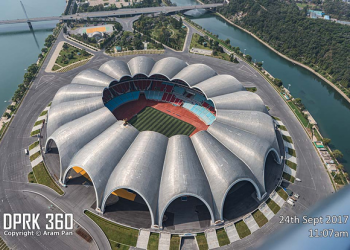
Yanmar Stadium Nagai, located in Osaka, Japan, is a premier sports venue known for hosting both football and athletics events. Opened in 1964, the stadium has a rich history and has undergone several renovations to become a top-tier facility. With a capacity of 45,409, it serves as the home ground for J.League club Cerezo Osaka and has been used for numerous high-profile events, including the 2002 FIFA World Cup.
Stadium Details
| Feature | Information |
|---|---|
| Name | Yanmar Stadium Nagai |
| Capacity | 45,409 |
| Country | Japan |
| City | Osaka |
| Home Club | Cerezo Osaka |
| Inauguration | 1964 |
| Renovations | 1996, 2007 |
| Location | Nagai Park, Higashisumiyoshi-ku, Osaka |
| Surface | Grass |
| Dimensions | 105 x 68 meters |
Origins and Construction
Yanmar Stadium Nagai was initially built in 1964 to host football matches for the Summer Olympics, marking its first major international event. Located in the heart of Osaka, it became an iconic venue for both football and athletics, thanks to its spacious design and excellent facilities. The stadium initially had a seating capacity of 23,000, which was expanded in 1996 to accommodate the growing needs of football fans, particularly following Japan’s bid to host the 2002 FIFA World Cup.
During the 1996 renovation, the stadium underwent major updates, including the installation of a second-tier seating structure to reach the current capacity of 45,409. This renovation ensured the stadium met FIFA’s World Cup standards and cemented its status as a premier venue for both local and international events.
The 2002 FIFA World Cup
Yanmar Stadium Nagai was one of the key venues during the 2002 FIFA World Cup, which was co-hosted by Japan and South Korea. The stadium hosted three group-stage matches, including a memorable quarterfinal match between Senegal and Turkey. This was a landmark event for Osaka and highlighted the stadium’s importance on the global football stage.
Apart from hosting World Cup matches, Yanmar Stadium Nagai continued to serve as a central hub for football in Japan, hosting domestic league matches, national team fixtures, and international club events. The stadium’s proximity to Osaka’s central districts made it easily accessible for fans, further solidifying its place in the city’s sporting culture.
Use in Japanese Football
Yanmar Stadium Nagai is home to Cerezo Osaka, one of the top J.League clubs in Japan. The stadium serves as the team’s primary venue for home matches, where thousands of passionate supporters gather to cheer on their team. The stadium’s atmosphere is known for being electric, with fans creating an intimate yet energetic setting.
In addition to serving as the home ground for Cerezo Osaka, the stadium has hosted a variety of other football events, including friendly matches, national team games, and international tournaments. Its large capacity and modern amenities have made it an ideal location for high-profile football matches in Japan.
Rugby and Other Sports
Beyond football, Yanmar Stadium Nagai has also been a key venue for rugby. It was used during the 2019 Rugby World Cup, where it hosted several thrilling matches. The stadium’s versatility makes it an excellent location for a variety of sports, with its large field size accommodating both football and rugby requirements.
Additionally, the stadium has hosted numerous athletics events, including the Osaka Grand Prix and other local competitions. The venue’s track and field facilities make it a popular choice for national and regional athletic competitions.
Stadium Design and Features
The design of Yanmar Stadium Nagai is based on a classic bowl structure with a modern two-tiered seating arrangement. The lower and upper stands offer excellent sightlines to the pitch, ensuring a great experience for fans. The stadium’s exterior is characterized by clean, simple lines, with a large roof covering most of the stands, providing shelter for spectators during inclement weather.
One of the most impressive features of the stadium is the large, curved roof that covers the majority of the seating areas. This roof is designed to offer protection from rain and sun, ensuring fans can enjoy the match regardless of the weather conditions. The stadium also boasts top-quality floodlighting, which ensures optimal visibility for night games and televised events.
Access and Transportation
Yanmar Stadium Nagai is well-connected by public transportation, making it easy for fans to reach the venue. The stadium is located near several train lines, including the JR Hanwa Line at Nagai Station, and the Osaka Metro Midōsuji Line. These connections allow spectators from across the Osaka region and beyond to easily access the stadium.
The stadium is also equipped with ample parking spaces, making it convenient for those traveling by car. Public buses provide additional transport options for fans attending events at the stadium.
Legacy and Cultural Impact
Yanmar Stadium Nagai has a significant place in both Japanese football and Osaka’s sports culture. Its role as the home of Cerezo Osaka has made it a symbol of the club’s success and its loyal fanbase. The stadium’s legacy as a World Cup venue and its continued use for international tournaments ensure its place as one of Japan’s top sporting venues.
As a multi-sport facility, Yanmar Stadium Nagai continues to serve the community by hosting a wide variety of events. From football and rugby matches to concerts and cultural events, the stadium remains a vital part of Osaka’s sporting landscape.
Conclusion
Yanmar Stadium Nagai is a state-of-the-art sports venue with a rich history and a bright future. As the home of Cerezo Osaka and a key venue for major international events, it continues to serve as a central hub for football and sports in Osaka. With its modern amenities, excellent accessibility, and passionate fanbase, Yanmar Stadium Nagai is set to remain an iconic part of Japan’s sporting culture for years to come.