World Cup knockouts are finally taking shape as the expanded 2026 FIFA World Cup moves from the group stage into the new Round of 32 format. With the tournament now featuring 48 teams, the path to the trophy has changed significantly, creating a longer knockout phase and giving more countries a chance to extend their campaigns beyond the group stage.
The 2026 edition is the first men’s World Cup to use a Round of 32. Under the expanded format, the top two teams from each of the 12 groups qualify automatically. They are joined by the eight best third-place teams, creating a 32-team knockout bracket.
As of the latest update, 28 teams have secured places in the World Cup 2026 knockouts. That leaves four places still to be decided before the full Round of 32 bracket is complete.
Several major nations have already advanced, including Argentina, France, Brazil, Spain, Germany, Portugal, England, Belgium and the United States. There have also been historic stories, with Cape Verde reaching the knockouts in their debut tournament and South Africa advancing beyond the group stage for the first time.
The knockout phase begins on June 28 and runs through to the final on July 19. From this point, the tournament becomes much more ruthless. One poor performance can end a campaign, while one great night can turn an underdog into a national story.
How the World Cup 2026 Knockouts Work
The World Cup 2026 knockouts begin with the Round of 32. This stage was introduced because the tournament expanded from 32 teams to 48 teams.
The qualification system is straightforward. Each of the 12 groups sends its top two teams into the knockout phase. That accounts for 24 teams. The remaining eight places go to the best third-place finishers across all groups.
After the Round of 32, the tournament continues with the Round of 16, quarterfinals, semifinals, third-place match and final.
The schedule is as follows:
Group stage: June 11 to June 27
Round of 32: June 28 to July 3
Round of 16: July 4 to July 7
Quarterfinals: July 9 to July 11
Semifinals: July 14 to July 15
Third-place match: July 18
Final: July 19
This format means that more teams remain alive deep into the tournament. It also makes third-place standings more important than ever, especially for teams that finish behind two stronger sides in competitive groups.
World Cup 2026 Tie-Breaker Rules
The 2026 World Cup has also introduced an important change in how group-stage ties are settled.
For teams level on points in the same group, head-to-head records now play a bigger role before overall goal difference is used. This means that results between tied teams can decide group ranking before the tournament looks at wider scoring records across the full group.
The main group ranking criteria are:
Points gained in group matches
Head-to-head goal difference between tied teams
Head-to-head goals scored between tied teams
Overall goal difference in all group matches
Overall goals scored in all group matches
Team conduct score based on yellow and red cards
FIFA World Ranking if teams still cannot be separated
For the eight best third-place teams, the ranking criteria are slightly different. They are decided by points, overall goal difference, goals scored, team conduct and then FIFA World Ranking if required.
These rules matter because third-place qualification can be extremely tight. A single yellow card, goal scored or late goal conceded could decide whether a country reaches the World Cup knockouts or goes home.
Teams Qualified for the World Cup 2026 Round of 32
Mexico
Mexico were among the first teams to secure qualification for the World Cup 2026 knockouts. As cohosts, they entered the tournament under pressure, but they handled the group stage well and finished strongly.
Mexico topped Group A after beating South Korea 1-0. They had already started their campaign with a 2-0 victory over South Africa in the opening match of the tournament.
Their qualification gives the home crowd a major storyline heading into the Round of 32.
United States
The United States also reached the World Cup knockouts after a strong Group D campaign.
The USMNT secured qualification with a 2-0 win over Australia, a result that pushed them to the top of the group. They had earlier produced an impressive 4-1 win over Paraguay, giving them one of the strongest starts of any host nation in the tournament.
With home support behind them, the United States now enter the knockout stage with confidence and rising expectations.
Germany
Germany reached the last 32 after beating Ivory Coast 2-1.
Their qualification was especially important because Germany had failed to progress from the group stage in both 2018 and 2022. The 2026 campaign offered a chance to reset the country’s World Cup reputation.
Germany opened their tournament with a dominant 7-1 win over Curacao, showing attacking strength early in the competition.
Argentina
Argentina qualified for the World Cup knockouts after a 2-0 victory over Austria.
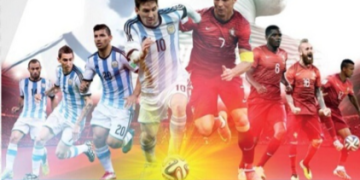
The defending champions have been one of the biggest stories of the tournament, with Lionel Messi continuing to produce historic moments. Argentina also started strongly with a 3-0 win over Algeria, a match in which Messi scored a tournament hat-trick.
Argentina are guaranteed top spot in Group J, making them one of the most dangerous teams entering the Round of 32.
France
France secured their place in the World Cup knockouts with a 3-0 win over Iraq.
Kylian Mbappe was central to their qualification push, scoring twice against Iraq after also scoring in France’s 3-1 win over Senegal. France entered the tournament as one of the favourites, and their group-stage form has supported that status.
Their attacking quality, squad depth and tournament experience make them one of the leading contenders for the title.
Norway
Norway qualified from Group I after beating Senegal 3-2.
Their return to the World Cup after a long absence has already become one of the tournament’s notable stories. Norway also opened with a 4-1 win over Iraq, giving them a strong early platform.
With attacking quality and confidence, Norway now move into the knockouts as one of the teams capable of causing problems.
Colombia
Colombia reached the World Cup knockouts after a 1-0 win over DR Congo.
The South American side had already started the tournament with a 3-1 victory over Uzbekistan, giving them two wins from two games. Colombia’s qualification reflects their strong organisation and ability to produce decisive moments.
They enter the Round of 32 as a dangerous and disciplined team.
Switzerland
Switzerland finished top of Group B with seven points.
They confirmed qualification with a 2-1 win over cohost Canada in Vancouver. Switzerland’s unbeaten group-stage run showed their consistency, tactical discipline and tournament maturity.
They are not always treated as headline contenders, but Switzerland have once again shown why they are difficult to beat in major tournaments.
Canada
Canada also reached the World Cup knockouts despite losing to Switzerland in their final group match.
The cohosts had already done enough to finish second in Group B. They opened with a 1-1 draw against Bosnia and Herzegovina before producing a huge 6-0 win over Qatar.
Canada’s qualification gives the tournament another home-nation storyline as the Round of 32 begins.
Bosnia and Herzegovina
Bosnia and Herzegovina advanced as one of the best third-place teams.
Their place in the World Cup knockouts was confirmed after a 3-1 win over Qatar. They finished third in Group B behind Switzerland and Canada but had enough points and performance strength to progress.
For Bosnia and Herzegovina, reaching the knockout stage is a major achievement and a platform for a historic run.
Brazil
Brazil advanced to the World Cup knockouts in style after beating Scotland 3-0.
Vinicius Junior scored twice in the final Group C match as Brazil topped the group with seven points and a strong goal difference. The five-time world champions entered the tournament with high expectations, and their qualification keeps them firmly in the title conversation.
Brazil remain one of the most feared teams in knockout football.
Morocco
Morocco finished second in Group C and advanced with seven points.
Their group campaign included two wins and one draw, showing that their strong recent tournament reputation remains intact. Morocco’s 2022 World Cup run changed how many people viewed African teams at the highest level, and their 2026 campaign continues that progress.
Their balance of technical quality, defensive organisation and belief makes them a serious knockout-stage opponent.
South Africa
South Africa reached the World Cup knockouts after a historic 1-0 win over South Korea.
The result pushed Bafana Bafana into the Round of 32 and marked the first time South Africa advanced to the knockout stage of a men’s World Cup.
It is one of the most meaningful stories of the tournament so far. For South African football, this qualification represents a breakthrough moment on the global stage.
Ecuador
Ecuador secured a place in the Round of 32 after beating Germany 2-1.
The result was one of the notable upsets of the group stage. Ecuador finished Group E with four points and progressed as one of the best third-place teams.
Their qualification shows how valuable every point and every goal can be under the expanded World Cup system.
Ivory Coast
Ivory Coast reached the World Cup knockouts after beating Curacao 2-0.
Nicolas Pepe scored twice in the decisive match, helping Ivory Coast finish second in Group E. Their campaign included a defeat to Germany and a win over Ecuador before the victory against Curacao sealed their progress.
The qualification marks Ivory Coast’s first trip to the knockout rounds, making it a major achievement for the team and its supporters.
Netherlands
The Netherlands qualified as Group F winners after beating Tunisia 3-1 in their final group match.
They finished with seven points after two wins and a draw. Their group-stage performance showed control, attacking balance and tournament experience.
The Dutch have a long history of strong World Cup runs, and they now enter the knockouts as one of Europe’s most dangerous sides.
Japan
Japan advanced as the second-place team in Group F.
A 1-1 draw with Sweden in the final group game was enough to send Japan through with five points. Japan’s consistency across the group stage again showed why they have become one of Asia’s strongest tournament teams.
Their speed, structure and technical quality make them a difficult Round of 32 opponent.
Sweden
Sweden progressed as one of the eight best third-place teams.
They finished Group F with four points after one win, one draw and one defeat. That was enough to keep them alive in the tournament.
Sweden’s qualification shows the importance of fighting for points even when a team cannot finish in the top two.
Australia
Australia reached the World Cup knockouts after a 0-0 draw with Paraguay.
The Socceroos finished second in Group D with four points from three matches. Their defensive discipline and ability to manage pressure helped them move into the Round of 32.
Australia have again shown that they can compete on the World Cup stage.
Paraguay
Paraguay also advanced from Group D as one of the best third-place teams.
They ended the group stage with four points, enough to secure a knockout berth. Paraguay’s qualification reflects the value of resilience in a difficult group.
They may not enter the Round of 32 as favourites, but they have already shown enough to be taken seriously.
Belgium
Belgium qualified for the World Cup knockouts after a 5-1 win over New Zealand.
That result pushed Belgium to the top of Group G with five points. The performance also gave Belgium momentum at the right time, especially after a competitive group-stage campaign.
Belgium enter the knockouts with attacking confidence and renewed belief.
Egypt
Egypt finished second in Group G and reached the World Cup knockouts for the first time.
They ended level with Belgium on five points but finished below them on goal difference. Their qualification is a major achievement for Egyptian football and one of the tournament’s important African success stories.
Egypt’s Round of 32 appearance gives them a chance to write a new chapter in their World Cup history.
Spain
Spain qualified as Group H winners after beating Uruguay in their final group match.
They finished with seven points and confirmed their status as one of the strongest teams in the tournament. Spain’s group-stage performance combined technical control with efficiency in key moments.
As former world champions, Spain will expect to make a deep run.
Cape Verde
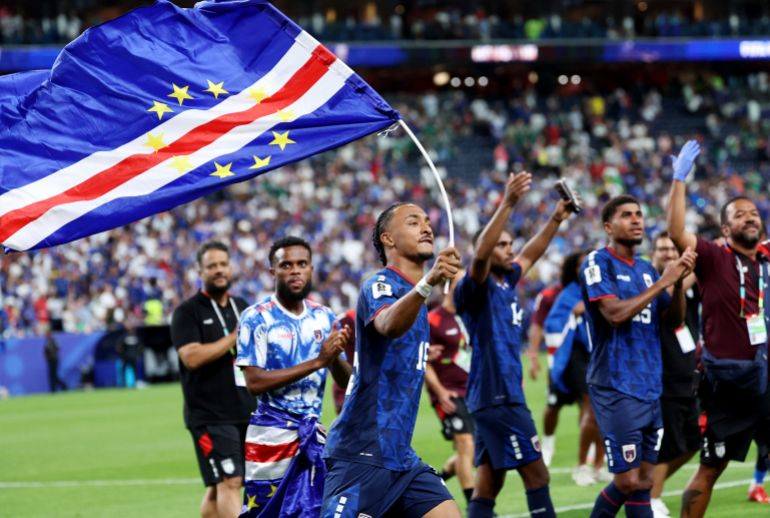
Cape Verde produced one of the great stories of the 2026 World Cup by reaching the knockouts in their debut tournament.
They finished second in Group H with three points, extending a remarkable campaign. For one of the tournament’s smallest nations by population, qualification for the Round of 32 is a historic achievement.
Cape Verde’s progress has become a symbol of how the expanded World Cup can create space for new football stories.
Senegal
Senegal advanced as one of the best third-place teams after a 5-0 win over Iraq.
That emphatic victory was enough to send them into the next round. Senegal had faced a difficult Group I, but their final performance showed quality and determination.
The African champions remain a dangerous knockout opponent because of their physical strength, speed and tournament experience.
Portugal
Portugal secured a place in the World Cup knockouts with a game still to play.
A win and a draw were enough to confirm their berth from Group K. Portugal have the attacking depth and tournament pedigree to be seen as one of the teams to watch in the Round of 32.
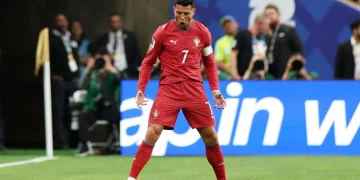
Their qualification keeps alive another major storyline around Cristiano Ronaldo and a talented new generation of Portuguese players.
England
England are assured of a place in the World Cup knockouts after collecting a win and a draw from their first two group matches.
The Three Lions entered the tournament with high expectations, and qualification gives them the chance to build momentum in the knockout rounds.
England’s challenge now is to turn group-stage control into knockout-stage authority.
Ghana
Ghana are also through to the Round of 32 after taking four points from their first two group matches.
Their qualification adds another African team to the knockout stage and gives Ghana a chance to make a memorable run.
Ghana have shown enough resilience and quality to prove they belong in the next phase.
Teams Eliminated from World Cup 2026
Haiti
Haiti were the first team eliminated from the 2026 World Cup after losing 3-0 to Brazil.
Their return to the tournament after decades away was still significant, but defeats to Scotland and Brazil ended their hopes of reaching the World Cup knockouts.
Turkiye
Turkiye were knocked out after losing 1-0 to Paraguay.
They had already suffered a 2-0 defeat to Australia in their opening match. Their elimination was a disappointment given expectations that they could compete for a knockout place.
Tunisia
Tunisia were eliminated after a 4-0 defeat to Japan.
They had also lost heavily to Sweden in their opening match. Tunisia remain an important part of World Cup history, but they were unable to progress beyond the group stage in 2026.
Jordan
Jordan, one of the debutants at the tournament, exited after losing 2-1 to Algeria.
They had also lost 3-1 to Austria in their opening game. Although their campaign ended early, their appearance at the tournament was still an important milestone.
Panama
Panama were eliminated after a 1-0 defeat to Croatia.
They had also lost 1-0 to Ghana in their first group match. Two narrow defeats proved costly and ended their hopes of progressing.
Qatar
Qatar were knocked out after losing 3-1 to Bosnia and Herzegovina.
The 2022 hosts finished bottom of Group B with one point. Their elimination came after a difficult group-stage campaign.
Czechia
Czechia were eliminated after losing 3-1 to Mexico.
The defeat ended their hopes of reaching the Round of 32. Czechia finished bottom of Group A with one point from three matches.
Curacao
Curacao were eliminated after losing to Ivory Coast.
Their tournament was still historic because they became the smallest nation to qualify for the World Cup finals. However, their group-stage run ended before the knockout phase.
New Zealand
New Zealand exited after losing to Belgium in their final group match.
They finished bottom of Group G with one point and could not do enough to reach the World Cup knockouts.
Uruguay
Uruguay were eliminated after losing to Spain in their final Group H match.
They finished third with only two points, which was not enough to progress as one of the best third-place teams. For a nation with such World Cup history, the early exit was a major disappointment.
Saudi Arabia
Saudi Arabia also failed to qualify from Group H.
They finished bottom of the group with two points, missing out on a place in the Round of 32.
Iraq
Iraq were eliminated after finishing bottom of Group I with zero points.
Their campaign ended after a difficult group stage that included heavy defeats against strong opponents.
Why the Expanded World Cup Knockouts Matter
The expanded World Cup knockouts have changed the rhythm of the tournament. In the old 32-team format, only 16 teams advanced from the group stage. In 2026, 32 teams move forward, meaning the knockout bracket is larger and more varied.
This gives more teams a chance to experience knockout football. It also creates more opportunities for surprise results. Teams that may have gone home under the old format can now qualify as third-place finishers and reset their tournament in a single knockout match.
That matters for countries such as Cape Verde, South Africa, Bosnia and Herzegovina, Ecuador, Sweden, Paraguay and Senegal. Their progress shows how the expanded format can produce broader representation and more dramatic storylines.
However, the format also creates extra pressure. Teams must not only chase wins but also manage goal difference, discipline and scoring totals. A team in third place can qualify or be eliminated based on fine margins.
For fans, the Round of 32 adds more drama. For teams, it adds another hurdle. For the tournament, it creates a longer and more unpredictable path to the final.
Biggest Stories from the Qualified Teams
Several major storylines stand out from the World Cup 2026 knockouts list.
Argentina remain one of the headline teams as defending champions. With Lionel Messi still central to their campaign, every Argentina match carries global attention.
France have looked strong, with Kylian Mbappe producing goals early in the tournament. Their squad depth makes them one of the clearest title contenders.
Brazil advanced with authority, showing that the five-time champions remain a serious threat.
The United States and Mexico have given the host nations strong representation in the Round of 32, while Canada also progressed from Group B.
Cape Verde’s qualification is one of the most emotional stories of the tournament. Reaching the knockouts in a debut World Cup is a remarkable achievement.
South Africa’s first knockout appearance is another major milestone, while Egypt’s first progression to the knockout rounds adds to Africa’s strong showing.
The expanded tournament has also shown that traditional powers cannot take qualification for granted. Uruguay’s elimination is proof that reputation alone does not carry teams through.
What Happens Next?
Once the Round of 32 begins, every match becomes a knockout game. There are no second chances. If a match is level after normal time, extra time and penalties can decide who advances.
The teams that adapt fastest to knockout pressure will have the best chance of going deep. Group-stage form matters, but knockout football is different. It rewards defensive concentration, set-piece quality, tactical discipline and mental strength.
The biggest nations will be expected to progress, but the Round of 32 creates room for shocks. A third-place qualifier can beat a group winner in one match. A debutant can extend a dream run. A favourite can collapse under pressure.
That is what makes the World Cup knockouts so powerful. The group stage builds the story, but the knockout stage writes the history.
Conclusion
The World Cup 2026 knockouts are nearly complete, with 28 teams already confirmed for the Round of 32. The expanded format has created a wider and more dramatic knockout field, bringing together traditional giants, ambitious hosts, returning powers and historic underdogs.
Argentina, France, Brazil, Spain, Germany, Portugal and England remain among the headline contenders. Mexico, the United States and Canada have given the host nations strong representation. Cape Verde, South Africa, Egypt and Bosnia and Herzegovina have added some of the tournament’s most meaningful stories.
At the same time, several nations have already been eliminated, including Uruguay, Qatar, Tunisia, Haiti, Turkiye, Panama, Saudi Arabia, Iraq and New Zealand.
The Round of 32 now marks the beginning of the tournament’s most unforgiving phase. From here, the World Cup becomes a straight fight for survival. One mistake can end a campaign. One goal can create history. One night can change how a team is remembered forever.
The group stage has produced drama, surprises and milestones. The World Cup knockouts will decide who truly has the quality, courage and composure to chase the biggest prize in football.