Portugal beat Argentina is no longer just a fan debate. It has become one of the most exciting possible storylines of the FIFA World Cup 2026 knockout stage.
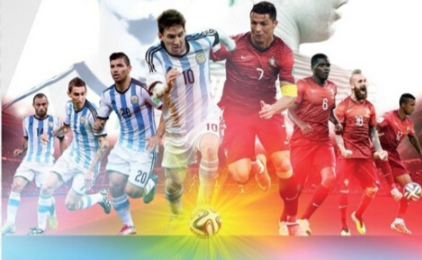
If both teams win their groups and then survive the early elimination rounds, Portugal and Argentina could meet in a blockbuster quarterfinal on July 11, 2026, at Arrowhead Stadium in Kansas City. It would be one of the most anticipated matches in World Cup history: Lionel Messi against Cristiano Ronaldo, Argentina’s defending champions against Portugal’s deep and talented generation, South American unity against European tactical variety.
Portugal absolutely have the quality to beat Argentina. That does not mean they would enter the match as clear favorites on the pitch. Argentina remain the defending world champions, a team built around emotional strength, tactical discipline and a core group that knows how to survive pressure. But Portugal have enough individual quality, midfield control, squad depth and attacking flexibility to hurt Argentina in ways few teams can.
This potential matchup would not be only about Messi and Ronaldo, even though the two legends would dominate the headlines. It would also be about Vitinha, Bruno Fernandes, João Neves, Bernardo Silva, Rafael Leão, Nuno Mendes, Enzo Fernández, Alexis Mac Allister, Rodrigo De Paul, Julián Álvarez and Argentina’s battle-tested defensive structure.
Portugal can beat Argentina if they control midfield, protect transitions and use their attacking depth intelligently. Argentina can beat Portugal if they slow the game down, turn it into a psychological battle and force Portugal to play with emotion instead of patience.
That is what makes the possible clash so fascinating.
Why the Matchup Is So Big
Argentina vs Portugal at the World Cup would be historic because the two nations have never met in a competitive match at a major international tournament.
Their modern senior meetings have been limited to friendlies. Argentina beat Portugal 2-1 in Geneva in 2011, in a match where both Lionel Messi and Cristiano Ronaldo scored. Portugal then beat Argentina 1-0 at Old Trafford in 2014, with Raphaël Guerreiro scoring the late winner.
Those matches were interesting, but they were not World Cup football. A knockout-stage meeting in 2026 would carry a completely different weight.
For Messi, it could be one more chance to extend Argentina’s golden era after the 2022 World Cup triumph. For Ronaldo, it could be the ultimate late-career stage after becoming the first player to score in six different World Cups. For both nations, it would be a chance to settle a high-level tactical battle that football has rarely seen.
The fixture would also carry generational tension. Argentina’s core is experienced, hardened and deeply connected. Portugal’s squad is younger in key areas, technically gifted and stacked with options. Argentina know how to suffer and win. Portugal have the tools to overwhelm teams when their rhythm clicks.
That contrast would make the match bigger than a normal quarterfinal.
Portugal’s Biggest Advantage: Squad Depth
Portugal’s strongest argument is squad depth.
Few teams in the tournament can match the number of high-level options Portugal have across midfield and attack. Roberto Martínez can adjust his team depending on the opponent, game state and tactical need. Portugal can play with wide runners, inside creators, attacking full-backs, a false-nine structure or Ronaldo as a penalty-box focal point.
That flexibility matters against Argentina. Lionel Scaloni’s team are difficult to break down because they defend as a unit and understand pressure moments. A predictable attack would struggle. Portugal’s advantage is that they can ask Argentina different questions during the same match.
If Argentina defend deep, Portugal can use Bruno Fernandes and Bernardo Silva between the lines. If Argentina press aggressively, Portugal can use Rafael Leão’s pace and Ronaldo’s box movement. If the midfield becomes tight, Vitinha and João Neves can help Portugal keep the ball and change rhythm.
Portugal also have stronger bench options than many teams. In knockout football, substitutions often decide matches. If the game reaches the final 30 minutes level, Portugal’s ability to introduce fresh attacking quality could become decisive.
Argentina’s Biggest Advantage: Tournament Unity
Argentina’s biggest advantage is not only Messi. It is unity.
This group has lived through the pressure of winning a World Cup. They have survived penalty shootouts, emotional swings, difficult knockout games and the burden of carrying an entire country’s expectations. That experience matters.
Argentina are not always the most spectacular team for 90 minutes, but they are one of the best at managing pressure. They know when to slow the game down, when to attack, when to foul intelligently, when to protect a lead and when to let Messi find the decisive moment.
Their midfield is built for battle. Rodrigo De Paul gives them energy and aggression. Alexis Mac Allister gives them balance and technique. Enzo Fernández gives them passing range and control. Around them, Argentina have players who understand their roles clearly.
That collective memory is something Portugal cannot simply out-talent. Argentina have what many teams lack: the scar tissue of winning together. They do not panic easily. They can suffer without collapsing. They can win ugly if required.
That is why Portugal would need more than individual brilliance. They would need tactical discipline.
The Midfield Battle Could Decide Everything
The midfield battle would likely decide whether Portugal can beat Argentina.
Portugal’s midfield has the technical quality to dominate possession. Vitinha can dictate tempo, receive under pressure and connect defense to attack. João Neves adds energy, intelligence and defensive coverage. Bruno Fernandes gives Portugal vertical passing, shooting threat and final-third creativity.
Argentina’s midfield is different. It is less about constant elegance and more about rhythm control, intensity and positional understanding. Mac Allister, De Paul and Enzo know how to compress space around Messi and how to protect the back line when Argentina lose the ball.
If Portugal’s midfield can move the ball quickly, Argentina could be forced to chase. That would create gaps for Bernardo, Bruno, Leão or João Félix-type profiles to exploit. But if Argentina turn the midfield into a physical, stop-start contest, Portugal may become frustrated.
Portugal cannot allow the match to become emotional too early. They must keep the ball with patience and avoid rushed attacks. Argentina are excellent at punishing teams that become desperate.
The best version of Portugal would use possession not only to attack but to control Argentina’s emotional rhythm.
Ronaldo’s Role Against Argentina
Cristiano Ronaldo would be one of the biggest storylines.
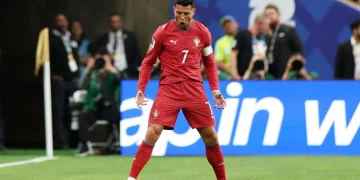
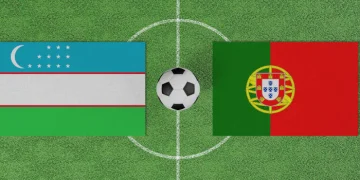
At 41, he has already made history at the 2026 World Cup by scoring twice against Uzbekistan and becoming the first player to score in six different editions of the tournament. That brace also showed he can still influence matches through movement, finishing and leadership.
Against Argentina, Ronaldo’s role would need to be carefully managed. He may not press with the same intensity as younger forwards, and Portugal would need to protect the structure around him. But inside the penalty area, he remains one of the most dangerous players in the world.
Argentina would know this. They would not give him free space on crosses, cutbacks or set pieces. Ronaldo may only need one clear chance, but Argentina’s centre-backs would make sure he works for every touch.
His presence could still help Portugal even when he is not scoring. Ronaldo attracts defenders. That can open space for runners arriving from midfield or wide areas. If Portugal use him as a reference point rather than forcing every attack through him, he could become more valuable.
The danger for Portugal is emotional dependence. They cannot play the match only as Ronaldo’s story. They must play it as a team.
Messi’s Threat Remains Different
Lionel Messi’s threat is completely different from Ronaldo’s.
Messi does not need to spend the whole match near goal. He can drift, wait, walk, scan, then suddenly decide the match with one pass, one dribble or one finish. That makes him extremely difficult to control.
Portugal’s challenge would be to limit Messi without destroying their own shape. If they send too many players toward him, Argentina can use the space elsewhere. If they give him time, he can punish them.
Messi’s 2026 form has made him one of the tournament’s central figures again. He has already shown that he can still score, create and control decisive moments. At 38, he may not play with the constant acceleration of his younger years, but his reading of the game remains unmatched.
Portugal would need João Neves, Vitinha or a defensive midfielder to stay aware of Messi’s zones. They must also prevent easy passes into his feet between the lines. Once Messi receives facing forward, the danger rises immediately.
The key is not to stop Messi completely. Few teams can. The key is to reduce how often he receives in dangerous central areas.
Portugal’s Tactical Path to Victory
Portugal can beat Argentina if they follow five tactical principles.
First, they must control midfield without overcommitting. Argentina are dangerous when opponents lose shape. Portugal need possession, but they must keep enough players behind the ball.
Second, they must use width. Argentina’s central structure is strong, so Portugal should stretch the pitch through full-backs and wide forwards. Nuno Mendes could be especially important if fit and aggressive.
Third, they must attack quickly after switching play. Argentina are excellent at shifting as a unit, but fast diagonal passes can create temporary gaps.
Fourth, Portugal must avoid unnecessary fouls near the box. Messi’s set-piece quality remains dangerous, and Argentina are strong at turning dead-ball moments into pressure.
Fifth, Portugal must keep emotional control. A match involving Messi and Ronaldo would carry enormous attention. Portugal cannot treat every Ronaldo touch like a final moment. They must trust the team structure.
If Portugal do those things, they can win.
Argentina’s Tactical Path to Victory
Argentina’s path is equally clear.
They would want to slow Portugal’s rhythm, make the match physical in midfield and force Portugal into low-percentage crosses. Argentina would likely accept periods without the ball if they feel their defensive block is stable.
They would also target Portugal’s defensive transitions. If Portugal’s full-backs push high, Argentina can attack the space behind them. Julián Álvarez, Lautaro Martínez or wide runners could create problems if Portugal lose possession carelessly.
Argentina would also try to isolate Messi in the right pockets. The goal would be to give him enough space to turn and connect with runners. Portugal must be careful not to let Messi receive between midfield and defense too often.
Emotionally, Argentina would be comfortable in a tense match. They have won games where the football was not beautiful but the management was perfect. They know how to turn a knockout game into a test of nerves.
Portugal must avoid falling into that trap.
Head-to-Head History
Argentina and Portugal have not met in a major competitive tournament, but their two modern friendlies remain useful reference points.
In February 2011, Argentina beat Portugal 2-1 in Geneva. Ángel Di María scored for Argentina, Cristiano Ronaldo equalized for Portugal, and Lionel Messi won it late from the penalty spot.
In November 2014, Portugal beat Argentina 1-0 at Old Trafford. The match was less memorable as a spectacle, but Raphaël Guerreiro’s late header gave Portugal the win.
Those friendlies do not tell us who would win in 2026. Too much has changed. The squads, coaches, roles and stakes are completely different.
But they add history to the possible World Cup meeting. Messi and Ronaldo have already scored in the same Argentina–Portugal fixture. A World Cup quarterfinal would take that storyline to a much higher level.
Why Portugal Can Beat Argentina
Portugal can beat Argentina because they have more than one route to victory.
They can win through midfield control. They can win through wide speed. They can win through set pieces. They can win through Ronaldo’s finishing. They can win through bench impact. They can win through moments from Bruno Fernandes or Bernardo Silva.
That variety makes them dangerous.
Argentina are harder to beat because they are more cohesive. But Portugal’s squad depth means they can change the game more dramatically from the bench. In a quarterfinal, that matters. The first XI rarely decides everything. The 65th-minute and 75th-minute changes can be just as important.
Portugal also have players who are comfortable at the highest club level. Many of their key players operate in elite European competitions and understand pressure.
The question is not whether Portugal have enough talent. They do. The question is whether they can turn that talent into a controlled knockout performance.
Why Argentina Would Still Be Dangerous
Argentina would still be dangerous because they know how to win tournament football.
They do not need to dominate every statistic. They need to control the emotional shape of the match. They need Messi to find moments. They need midfielders to compete. They need defenders to protect central spaces. They need the goalkeeper to be ready for the decisive save.
That formula has already delivered a World Cup title.
Argentina also have strong belief. Defending champions carry pressure, but they also carry authority. Opponents know Argentina have already climbed the mountain.
Portugal would need to respect that without fearing it. If they play too cautiously, Argentina can settle into their preferred rhythm. If they play too wildly, Argentina can exploit the chaos.
The balance must be perfect.
Possible Quarterfinal Stakes
If Argentina and Portugal meet in Kansas City, it would likely be more than a quarterfinal. It would feel like a symbolic match for an entire era.
Messi and Ronaldo have defined football for nearly two decades. A World Cup knockout meeting between their national teams would be one of the few missing chapters in their rivalry.
For Messi, it could be a chance to protect Argentina’s title defense and move closer to another final. For Ronaldo, it could be a chance to chase the one major trophy that has always escaped him.
For Portugal’s younger generation, it would be a chance to prove they are not just Ronaldo’s supporting cast. For Argentina’s younger champions, it would be a chance to show their 2022 success was not a one-off.
That is why the potential match has captured so much attention.
Verdict: Portugal Can Win, But Only With Control
Portugal can beat Argentina at the 2026 World Cup, but the path is narrow.
They cannot rely only on star power. They cannot simply attack emotionally. They cannot allow Messi to dictate the game from central zones. They cannot let Argentina turn the match into a slow, tense, stop-start battle.
Portugal’s best chance is a controlled performance built on midfield possession, wide overloads, careful transitions and smart use of Ronaldo. They must make Argentina defend more than they want to and force them to chase.
Argentina’s best chance is to make the match uncomfortable, compact and psychological. If they reduce Portugal’s rhythm and wait for Messi’s moments, they can win again.
On paper, Portugal have the tools. On experience, Argentina have the edge. That is what makes the possible quarterfinal so compelling.
Conclusion
Portugal can absolutely beat Argentina if the two sides meet at the 2026 World Cup, but it would require one of Portugal’s most disciplined performances of the tournament.
The possible quarterfinal would bring together two legendary football stories: Ronaldo’s record-breaking sixth World Cup scoring campaign and Messi’s continued leadership of Argentina’s defending champions. But beyond the icons, the match would be decided by structure, midfield control, tactical flexibility and composure.
Portugal have the deeper squad and more tactical options. Argentina have the stronger tournament identity and the experience of winning together under pressure.
That makes the potential clash one of the most balanced and dramatic matchups the World Cup could produce.
If Portugal control midfield, use their width and avoid emotional mistakes, they can beat Argentina. If Argentina slow the game, protect central areas and give Messi the right moments, they can punish Portugal.
Either way, a Portugal vs Argentina World Cup knockout match would be more than a football game. It would be one of the defining events of the Messi-Ronaldo era.
Read Also: Ronaldo Joins World Cup Top Scorers List as Messi and Mbappe Lead All-Time Chart