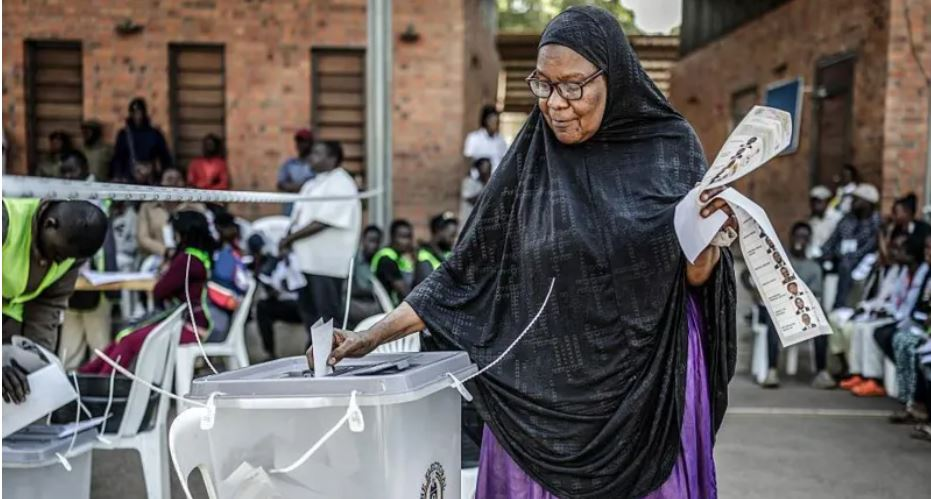
As Uganda’s 2026 general elections conclude, vote counting is underway in Kampala and across the country. The Uganda Electoral Commission (EC) is now tallying the ballots, with electoral officials urging the public to remain patient as the process progresses transparently. The official results, including the much-anticipated presidential outcome, are expected to be released soon.
The Election Process in Uganda
On January 15, 2026, more than 21 million Ugandans cast their votes across various polling stations, including the capital, Kampala. While the day began with some delays due to technical issues with biometric identification kits, which led to frustrations among voters, the process moved forward despite setbacks. The electoral body reassured the public that measures were being taken to resolve these technical glitches.
The election has seen President Yoweri Museveni, who has held office since 1986, seeking a seventh term against his main challenger, pop-star-turned-politician Bobi Wine. Museveni’s bid for re-election is viewed by many as a continuation of his lengthy rule, while Bobi Wine, a popular figure among Uganda’s youth, has become the leading figure for change.
Authorities in Uganda have emphasized the importance of allowing the election process to continue smoothly, urging voters and political parties to refrain from interference during the counting phase. According to the Uganda Electoral Commission, results for the presidential election should be announced by January 17 at 16:00 local time.
Technical Challenges and Public Frustrations
The election day was marred by delays in some parts of Kampala. Voters expressed their frustration as long queues formed at polling stations, where voting had not yet commenced due to failures in biometric identification systems. These delays were attributed to network outages and a lack of equipment, affecting polling in several districts.
Electoral officials apologized for the technical difficulties, assuring the public that efforts were underway to ensure no voter would be disenfranchised due to machine failure. In areas where biometric systems failed, officials utilized the national voter’s register as a backup to allow voting to proceed.
A Suspended Internet and Election Security
Ahead of the election, the Uganda Communications Commission (UCC) imposed a temporary internet shutdown across the country, which began on January 13, 2026, at 18:00. The shutdown was put in place to prevent the spread of misinformation and election-related violence. However, this move has faced criticism from human rights groups, including the UN Human Rights Office, which raised concerns about the impact of internet blackouts on transparency and free speech during the election period.
Final Thoughts on Uganda’s Electoral Landscape
As the vote counting continues, all eyes are on the final results, with the country’s future leadership hanging in the balance. With President Museveni aiming for a seventh term and Bobi Wine fighting for change, Uganda’s elections in 2026 represent a pivotal moment in the country’s political history. Authorities are working to ensure a fair and transparent process, despite the challenges faced on election day. The public has been urged to remain calm and patient as the electoral commission completes the vote tallying.