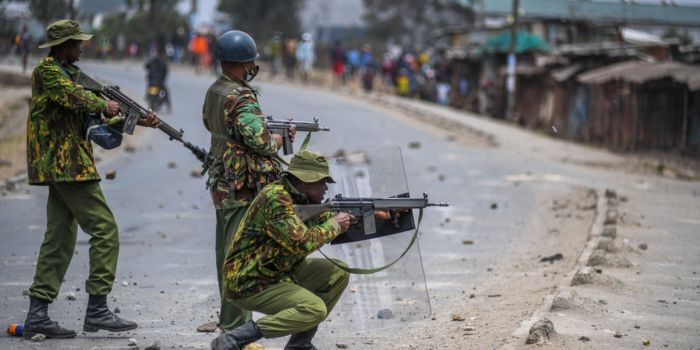
In the wake of the contentious Finance Bill 2024 protests in Kenya, the Githurai incident stands as a tragic testament to the devastating human cost of political unrest. Among the over 300 lives claimed by what has been termed governmental actions, a few resonate as poignant symbols of the struggle. This article seeks to honor their memory, reflect on their aspirations, and underscore the imperative of accountability and justice in democratic governance.
The Githurai Tragedy
Githurai, a bustling suburb known for its vibrancy and economic activity, became the epicenter of a horrific crackdown amid national protests against harsh economic policies introduced by President William Ruto’s government. As peaceful demonstrations escalated, the response was marked by an unprecedented scale of aggression from government forces, leading to a substantial loss of life.
Honoring the Fallen
Here are some of the individuals whose lives were cut short during the anti finance bill protests in Nairobi. They are remembered not just for their final moments but for the lives they led and the impact they left behind:
- Dr. Margaret Oyuga – A dedicated healthcare provider known for her compassion and unwavering commitment to her community.
- Rex Kanyeki Masai – An activist whose passion for social justice drove him to the forefront of political advocacy.
- Frank Okoth – A bright young student, whose potential was extinguished too soon, known for his dreams of reforming his country.
- Nick Adams – Remembered by his peers as a vibrant soul with a relentless optimism about Kenya’s future.
- Eric Njeru – Whose entrepreneurial spirit and dedication to his family were well known within his community.
- David Chege – An engineer by profession, whose innovations were just beginning to bear fruit.
- Ian Keya – A budding poet whose verses often reflected the deep-seated yearnings for peace and equality.
- Belinda Achieng – A teacher who nurtured future generations with hopes of a brighter, fairer Kenya.
- Edwin Otieno and Erick Otieno – Brothers who stood side by side in the protests, driven by a shared dream of justice.
- Eric Shieni – Known for his volunteer work and efforts to uplift the underprivileged in Githurai.
- Beasley Kamau – A local craftsman whose artistry brought beauty and thought to everyday items.
- Ericsson Mutisya – A young father whose primary concern was the well-being of his children in a changing world.
- Credo Oyaro (17 years old) – One of the youngest victims, whose death highlights the tragic loss of youthful innocence.
- Emmanuel Tata – An IT specialist whose innovative mind was a beacon of modernity and progress.
- Ibrahim Kamau Wanjiku – A community organizer who believed in the power of unity and collective action.
The Unanswered Questions
The aftermath of the Githurai incident leaves a community in mourning and a nation in shock. The scale and nature of the response by government forces have raised severe concerns about the adherence to human rights and the principles of democracy. Families of the deceased demand answers and accountability, seeking justice for the loss of their loved ones.
The Role of International Oversight
As the world watches, international human rights organizations and foreign governments have expressed concern over the events in Githurai. There are calls for independent investigations and sanctions against those found responsible for the violence, emphasizing the need for international oversight in situations where government actions may contravene global human rights standards.
Conclusion
The martyrs of Githurai are not mere statistics; they are reminders of the cost of unresolved national tensions and the urgent need for genuine dialogue and reform in Kenya. Their lives paint a picture of a diverse, vibrant community united by shared hopes and dreams, now overshadowed by tragedy. As Kenya navigates this challenging period, the memory of those lost serves as a potent call to action for all stakeholders to reaffirm their commitment to justice, peace, and democracy. The narrative of Githurai must move towards healing and meaningful change, ensuring that such a loss of life never occurs again under the guise of governance.