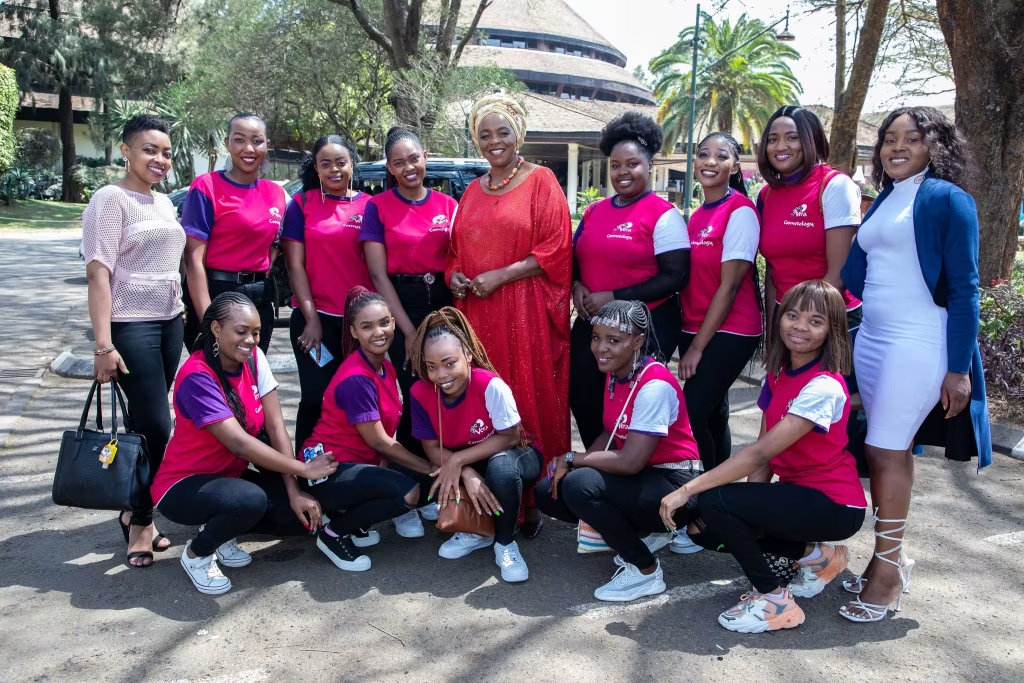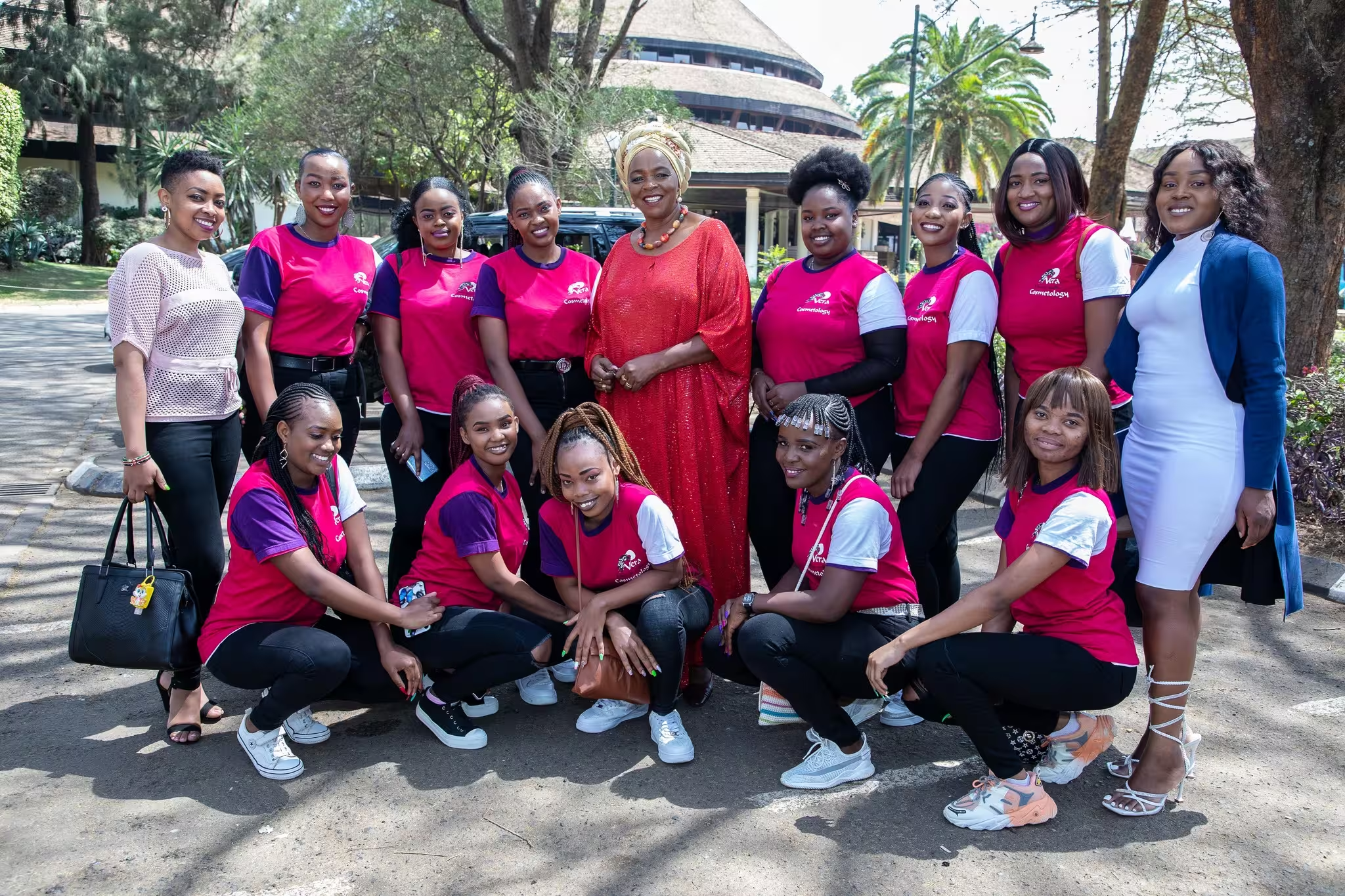
Vera Beauty College has positioned itself as one of Kenya’s leading private institutions in beauty and creative arts training. Since 1998, Vera Beauty College has focused on professional instruction in hair, cosmetology, fashion and related business skills. That focus reflects the rapid expansion of Kenya’s beauty and wellness industry.
Over the past decade, beauty services have shifted from informal home setups to structured salons, spas and academies. As demand for certified skills grows, institutions like Vera Beauty College now serve a wider market. Students no longer seek training only for employment. Many enroll to start their own brands and businesses.
Vera Beauty College Courses Across Schools
Vera Beauty College structures its programmes under several specialized schools. These include Fashion and Creative Arts, Business, Hospitality, Cosmetology and ICT.
Under Fashion and Creative Arts, diploma and certificate courses cover fashion design, interior design and event management. For example, students can pursue a Diploma in Fashion Design or specialize in pattern making and sewing. Short competence courses such as beadwork, embroidery and tie-dye also attract entrepreneurs in Kenya’s craft sector.
Meanwhile, the School of Business supports salon and spa entrepreneurship. Diploma options in Business Management and Entrepreneurship prepare graduates to manage operations, staff and finances effectively. This integration of creative and business training strengthens employability.
Vera Beauty College Cosmetology and Beauty Therapy
Vera Beauty College is best known for its cosmetology and beauty therapy programmes. Diploma courses in Cosmetology, Hairdressing and Beauty Therapy form the core offering.
Certificate and competence courses include makeup artistry, microblading, barbering, nail technology and facial treatments. Advanced body treatment courses such as aromatherapy, deep tissue massage and reflexology respond to the wellness market’s expansion.
Because Kenya’s spa and wellness sector continues to grow in urban centers, certified professionals enjoy strong demand. Additionally, modeling and runway courses reflect Nairobi’s developing fashion scene.
ICT and Digital Skills
Although beauty remains central, Vera Beauty College also offers ICT courses. These include social media marketing, web design and digital marketing.
This addition acknowledges a key reality. Beauty brands now rely heavily on Instagram, TikTok and digital booking platforms. Therefore, graduates who combine technical skills with digital marketing gain a competitive advantage.
Vera Beauty College Fees Structure
Vera Beauty College fees vary depending on course length and specialization. For example, Beauty and Modelling runs for four months with structured monthly payments. Microblading, a high-demand short course, runs for one month at a higher fee due to equipment and precision training.
Many two-month courses such as makeup, manicure and facial treatment allow staged payments. This flexibility makes training accessible to young entrepreneurs and working professionals.
While fees differ across departments, short professional courses typically range between KSh 23,500 and KSh 65,000 depending on complexity. Longer diploma programmes require higher overall investment but may yield stronger long-term returns.
Vera Beauty College Admission Requirements
Vera Beauty College admission requirements depend on programme level. Certificate and competence courses often require minimal academic qualifications. Diploma programmes may require KCSE completion.
Applicants can obtain application forms from respective campuses. Because most courses emphasize practical training, prior passion or interest often matters as much as academic grades.
Campuses and Contact Information
Vera Beauty College operates campuses in Nairobi, Eldoret, Nakuru and Meru.
The Nairobi campus sits on the 5th Floor of Philadelphia House along Tom Mboya Street. Eldoret operates at Komora Centre. Nakuru and Meru campuses serve Rift Valley and Eastern regions respectively.
This regional expansion reflects a wider decentralization of technical training beyond Nairobi. Students no longer need to relocate to the capital for professional beauty education.
Vera Beauty College and Kenya’s Creative Economy
Kenya’s beauty industry contributes significantly to youth employment. Informal salons dominate many neighborhoods, yet professional certification increasingly influences pricing and customer trust.
Institutions like Vera Beauty College support formalization of the sector. By offering structured diplomas and short courses, they help standardize skills in an industry once driven largely by apprenticeship.
Moreover, as African fashion and wellness gain global attention, local training capacity becomes strategically important. Skilled professionals can tap into export markets, tourism and diaspora clientele.
Why This Matters
Youth unemployment remains high in Kenya. However, beauty, fashion and wellness offer accessible entry points for entrepreneurship.
Training institutions such as Vera Beauty College provide practical skills that translate directly into income-generating ventures. That model supports small business creation rather than reliance on salaried employment.
What Happens Next
Kenya’s beauty and wellness industry will likely continue expanding alongside urbanization and social media influence. Digital branding will become essential.
Therefore, Vera Beauty College may further integrate technology and entrepreneurship modules into its curriculum. Graduates who combine creativity, certification and digital presence will shape the next phase of the sector.