Primary Schools in the United States, more commonly called elementary schools, form the foundation of a child’s academic, social, and emotional development. These early years shape reading fluency, mathematics confidence, writing ability, curiosity, social skills, behavior, independence, and long-term learning habits.
The U.S. primary school market includes public elementary schools, charter schools, magnet schools, private schools, independent schools, Montessori schools, bilingual schools, religious schools, gifted programs, and international primary schools. Because education is managed mainly at state and district level, school quality can vary significantly by location.
Parents often search for the “best” primary school, but the best school is not always the most famous or highest-ranked. A strong primary school should offer safe classrooms, skilled teachers, strong literacy instruction, numeracy support, enrichment, inclusive culture, parent communication, student wellbeing, and consistent academic progress.
U.S. News’ 2026 Best Elementary and Middle Schools rankings cover about 47,000 public elementary schools and more than 23,000 middle schools, while Niche’s 2026 elementary rankings use U.S. Department of Education data plus parent and student reviews.
Industry Overview: Primary Schools in the United States
Primary education in the United States usually covers kindergarten through grade five or grade six, depending on the district. Some schools include pre-kindergarten, while others are part of K–8 schools.
Public primary schools serve most American children and are funded mainly through state, local, and federal sources. Private primary schools charge tuition and may offer smaller classes, specialized curriculum, religious education, bilingual programs, or independent-school teaching models. Charter schools are publicly funded but independently managed and often use lottery-based admissions.
Important trends include early literacy intervention, dual-language learning, math recovery, social-emotional learning, gifted education, STEM enrichment, school safety, special education support, and parent demand for transparency.
Ranking Methodology
This guide evaluates Primary Schools using academic reputation, curriculum quality, public rankings, teacher quality, student support, parent experience, admissions relevance, enrichment programs, location, and overall educational value.
Because many of the highest-ranked public primary schools are neighborhood-based, this article includes a mix of nationally visible public schools, private schools, gifted schools, charter schools, and international-style primary schools.
Best Primary Schools in the United States
The Anderson School
Overview
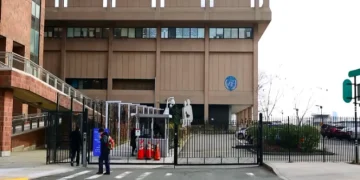
The Anderson School in New York City is one of the best-known gifted public K–8 schools in the United States. It serves academically advanced students and is known for rigorous instruction, strong peer environment, and high achievement.
Curriculum Offered
Gifted and talented curriculum, mathematics, literacy, science, social studies, arts, technology, and enrichment.
Students Served
Academically advanced students in New York City.
Competitive Advantages
Its advantage is a highly selective gifted model within the public school system.
Location
New York, New York.
Website
Not publicly listed here.
Why It Stands Out
The Anderson School stands out for families seeking a rigorous gifted public elementary pathway.
Success Academy Charter Schools
Overview
Success Academy is one of the most visible charter school networks in the United States, with elementary schools across New York City. Its schools are known for structured academics, high expectations, strong test performance, and a disciplined school model.
Curriculum Offered
Core literacy, mathematics, science, history, arts, physical education, and test-preparation support.
Students Served
Public charter school students admitted through lottery.
Competitive Advantages
Its advantage is a high-performing charter model with strong academic systems.
Location
New York City, New York.
Website
successacademies.org
Why It Stands Out
Success Academy stands out because several of its elementary campuses rank highly in public-school listings.
BASIS Charter Schools
Overview
BASIS Charter Schools operate in several states and are known for accelerated academics, STEM emphasis, and college-preparatory expectations. While BASIS is often associated with middle and high school strength, its primary grades are designed to build an early academic foundation.
Curriculum Offered
Mathematics, science, reading, writing, humanities, foreign language, arts, and early STEM.
Students Served
Public charter school students admitted through lottery where applicable.
Competitive Advantages
Its advantage is a rigorous academic model that begins early and continues into advanced coursework.
Location
Multiple U.S. states, including Arizona, Texas, Louisiana, and Washington, D.C.
Website
basised.com
Why It Stands Out
BASIS stands out for families looking for an academically accelerated charter pathway.
Trinity School Lower School
Overview
Trinity School in New York City is one of the oldest and most respected independent schools in the United States. Its lower school is known for strong academics, arts, character development, and preparation for later independent-school success.
Curriculum Offered
Reading, writing, mathematics, science, social studies, arts, music, physical education, and social development.
Students Served
Private school students admitted through selective admissions.
Competitive Advantages
Its advantage is a long-standing independent-school reputation and strong academic culture.
Location
New York, New York.
Website
trinityschoolnyc.org
Why It Stands Out
Trinity stands out for families seeking an elite private primary education in New York City.
The Brearley School Lower School
Overview
The Brearley School is a leading independent girls’ school in New York City. Its lower school focuses on intellectual confidence, writing, mathematics, curiosity, and strong academic habits from the earliest years.
Curriculum Offered
Language arts, mathematics, science, history, arts, music, physical education, and character development.
Students Served
Girls in a selective independent-school environment.
Competitive Advantages
Its advantage is academic rigor combined with a girls’ education model.
Location
New York, New York.
Website
brearley.org
Why It Stands Out
Brearley stands out for families seeking a top girls’ primary school with strong academic culture.
Dalton School First Program
Overview
Dalton School’s First Program is one of the most recognized independent primary programs in the United States. The school is known for the Dalton Plan, which emphasizes responsibility, collaboration, individualized learning, and teacher-student interaction.
Curriculum Offered
Reading, writing, mathematics, science, social studies, arts, music, physical education, and project-based learning.
Students Served
Private school students in New York City.
Competitive Advantages
Its advantage is a distinctive educational philosophy and long-standing independent-school reputation.
Location
New York, New York.
Website
dalton.org
Why It Stands Out
Dalton stands out for its progressive academic model and strong early-childhood-to-secondary pathway.
Sidwell Friends Lower School
Overview
Sidwell Friends School in Washington, D.C., is one of America’s most respected independent schools. Its lower school offers a Quaker education model focused on academic growth, integrity, reflection, service, and community.
Curriculum Offered
Literacy, mathematics, science, social studies, arts, Spanish, physical education, and social-emotional development.
Students Served
Private school students in the Washington, D.C. region.
Competitive Advantages
Its advantage is academic strength combined with values-based education.
Location
Washington, D.C.
Website
sidwell.edu
Why It Stands Out
Sidwell Friends stands out for families seeking a top private primary school in the nation’s capital.
Horace Mann Lower Division
Overview
Horace Mann School is one of New York’s strongest independent schools. Its lower division is known for strong academics, student support, enrichment, and preparation for a demanding upper-school pathway.
Curriculum Offered
Reading, writing, mathematics, science, social studies, world languages, arts, music, and physical education.
Students Served
Private school students admitted through selective admissions.
Competitive Advantages
Its advantage is strong academics and a full K–12 independent-school pathway.
Location
Bronx, New York.
Website
horacemann.org
Why It Stands Out
Horace Mann stands out for families seeking a rigorous private primary school with long-term academic continuity.
Nueva School Lower School
Overview
The Nueva School in California is known for gifted education, design thinking, inquiry-based learning, and strong STEM preparation. Its lower school serves students who benefit from advanced academic challenge and creative problem-solving.
Curriculum Offered
Gifted education, design thinking, literacy, mathematics, science, social studies, arts, technology, and social-emotional learning.
Students Served
Gifted and high-potential learners.
Competitive Advantages
Its advantage is a strong gifted education model combined with innovation-focused learning.
Location
Hillsborough, California.
Website
nuevaschool.org
Why It Stands Out
Nueva stands out for families seeking advanced primary education with creativity and design thinking.
International School of Brooklyn
Overview
International School of Brooklyn offers bilingual primary education with French and Spanish language pathways. It is a strong option for families who want early language immersion and international-minded learning.
Curriculum Offered
IB, French, Spanish, bilingual instruction, inquiry-based learning, literacy, mathematics, science, arts, and global studies.
Students Served
Bilingual families, multilingual learners, and families seeking international primary education.
Competitive Advantages
Its advantage is early bilingual immersion with international curriculum.
Location
Brooklyn, New York.
Website
isbrooklyn.org
Why It Stands Out
International School of Brooklyn stands out for families seeking bilingual primary education in New York City.
Industry Trends Affecting Primary Schools
Early Literacy Focus
Schools are placing more attention on phonics, reading fluency, comprehension, vocabulary, and early intervention.
Dual-Language Education
Dual-language programs are growing because families want children to become bilingual and biliterate. Recent reporting from Houston shows dual-language instruction can support bilingual confidence and academic progress.
STEM and Coding
Many primary schools now introduce coding, robotics, science labs, maker spaces, and project-based STEM activities.
Student Wellbeing
Parents increasingly evaluate schools based on emotional safety, counseling, belonging, bullying prevention, and classroom culture.
Personalized Learning
Teachers are using assessments, small groups, enrichment, and intervention to support different learning levels.
Buyer’s Guide: How to Choose Primary Schools
Visit the School
Observe classrooms, student behavior, teacher warmth, safety procedures, and how adults interact with children.
Check Reading and Math Support
Ask how the school teaches reading, how it supports struggling readers, and how it challenges advanced students.
Review Teacher Quality
Strong primary schools depend on excellent teachers. Ask about teacher experience, turnover, training, and classroom support.
Understand Admissions
Public schools may depend on residence zones, charter lotteries, or gifted testing. Private schools may require applications, interviews, assessments, and recommendations.
Compare Total Cost
Private schools may charge tuition, application fees, lunch, transport, uniforms, activities, aftercare, and trips.
Watch for Red Flags
Red flags include poor communication, high teacher turnover, weak reading instruction, unclear discipline policies, unsafe facilities, and lack of support for different learners.
Why Primary Schools Matter in the United States
Primary schools matter because they build the foundation for later academic success. Children who learn to read well, understand numbers, ask questions, and feel safe at school are better prepared for middle school, high school, and beyond.
Good primary schools also support families and communities. They help children develop friendships, confidence, responsibility, creativity, and social skills.
Conclusion
The best Primary Schools in the United States include strong public gifted schools, high-performing charter schools, elite independent schools, bilingual schools, and innovative private programs. The Anderson School, Success Academy, BASIS, Trinity, Brearley, Dalton, Sidwell Friends, Horace Mann, Nueva, and International School of Brooklyn each stand out for different reasons.
The best school for a child depends on location, learning style, curriculum, family budget, admissions access, support needs, and long-term goals.
Frequently Asked Questions
What are the best primary schools in the United States?
Some of the best-known primary schools include The Anderson School, Success Academy elementary campuses, BASIS Charter Schools, Trinity School Lower School, Brearley Lower School, Dalton First Program, Sidwell Friends Lower School, Horace Mann Lower Division, Nueva Lower School, and International School of Brooklyn.
What is primary school called in the United States?
Primary school is usually called elementary school in the United States. It commonly includes kindergarten through grade five or grade six, depending on the school district.
Are public primary schools free in the United States?
Yes. Public primary schools are tuition-free for residents. However, families may still pay for supplies, after-school care, trips, meals, uniforms in some schools, or extracurricular activities.
Are private primary schools better than public schools?
Not always. Some public schools are excellent, especially in strong districts or gifted programs. Private schools may offer smaller classes or specialized curriculum, but quality varies. Parents should compare teaching, safety, culture, support, and fit.
How do I choose the best primary school?
Visit the school, review academics, ask about reading instruction, check teacher quality, understand admissions, compare costs, and talk to current parents. The best school should fit the child’s needs.
What is a charter primary school?
A charter primary school is a publicly funded school that operates independently from a traditional district. Admission is usually by lottery if there are more applicants than seats.
What is a gifted primary school?
A gifted primary school serves students who need advanced academic challenge. These schools may use testing, applications, or district criteria for admission.
What should parents ask during a school tour?
Ask about class size, reading curriculum, math instruction, discipline, safety, teacher turnover, homework, enrichment, special education support, and parent communication.
Are bilingual primary schools worth it?
Bilingual primary schools can be valuable for children who can benefit from language immersion. They may support cultural understanding, cognitive flexibility, and long-term language skills.
What are red flags in a primary school?
Red flags include poor communication, unsafe facilities, high teacher turnover, weak reading instruction, bullying concerns, unclear discipline, and lack of support for struggling learners.
Read Also:The Best International Schools in the United States