


Kenya’s utensils market is on the rise as more people migrate to urban areas and seek quality kitchenware. With an expanding middle class and growing urbanization, there is a strong demand for durable, stylish kitchen tools. As Kenyans become more interested in food preparation and home decoration, there’s a growing market for quality cookware, tableware, and kitchen accessories. The utensils business in Kenya is projected to grow by 0.33% annually between 2024 and 2029. This guide outlines how you can take advantage of this growth and start a successful utensils business in Kenya.
Understanding the Utensils Market in Kenya
The utensils market in Kenya has seen an increase in demand due to various factors. As more households seek to enhance their cooking experiences, the need for quality kitchen products is growing.
Why People are Buying More Utensils
- Urbanization: More people are moving to cities and need utensils for modern kitchens.
- Increased Disposable Income: With rising salaries, more people can afford quality kitchenware.
- More Shops Selling Utensils: The growth of both physical and online stores is increasing access to kitchenware.
Popular Utensils in Kenya
- Cookware: Items like sufurias (aluminum cooking pots), frying pans, and pressure cookers.
- Tableware: Plates, bowls, and cutlery.
- Kitchen Tools: Knives, spoons, peelers, chopping boards.
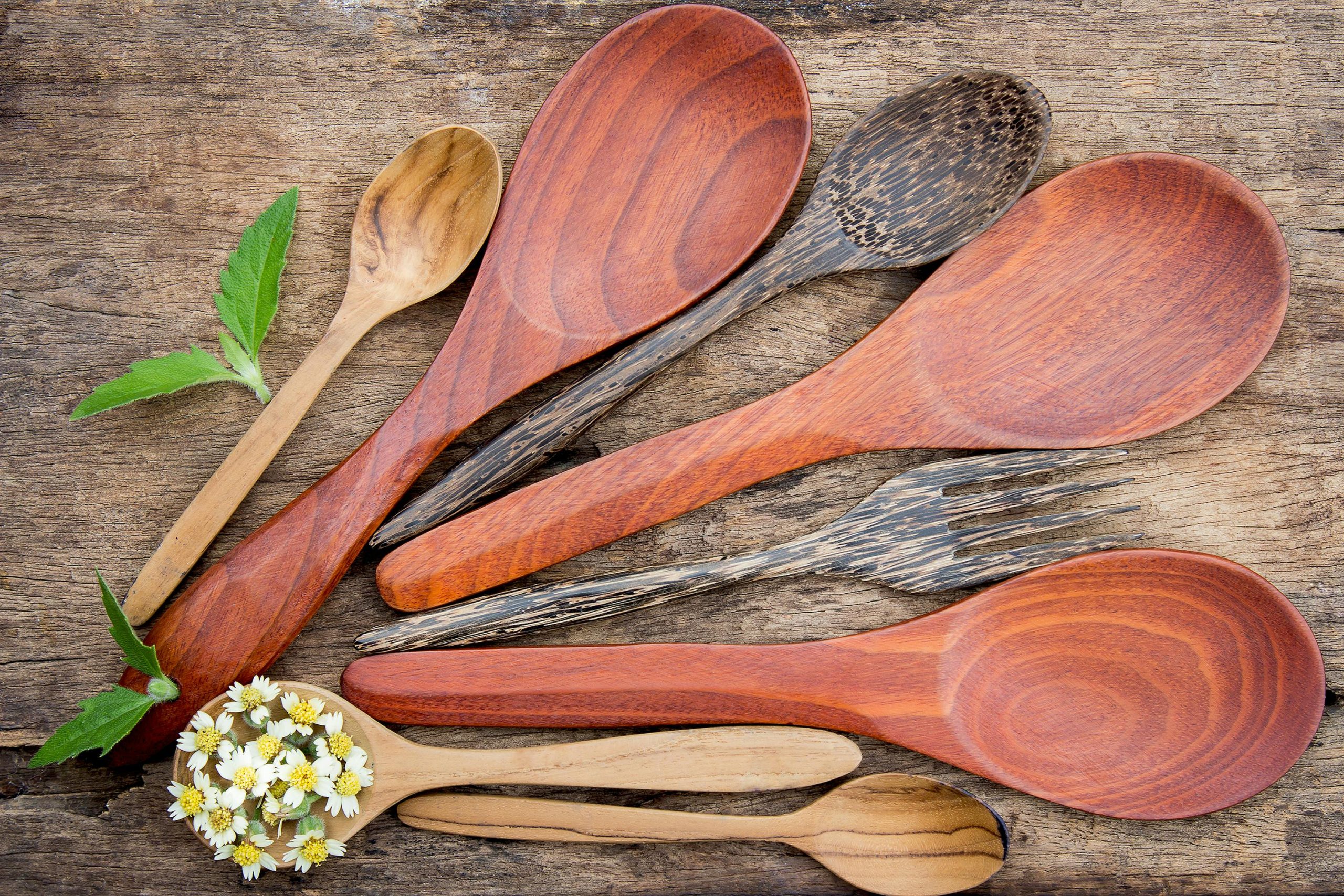
- Eco-Friendly Options: Wooden spoons, reusable straws, and bamboo containers are becoming popular.
Kenyan consumers look for utensils that are not only affordable but also durable. For example, sufurias (aluminum cooking pots) are widely used for cooking ugali, a staple food. Selling such essential items alongside modern kitchen gadgets can be a lucrative niche.
Conducting Market Research for a Utensils Business
Before diving into the utensils business, you must understand your market and customers.
Who Will Buy Your Utensils?
- Families: Most households need new cookware and utensils as they move into larger homes or start new families.
- Restaurants and Hotels: These businesses need quality kitchenware for their operations.
- Catering Businesses: Event planners and caterers need specialized utensils for large gatherings.
Where Will You Sell Your Products?
- Physical Stores: Consider locations in busy markets, shopping centers, or residential areas.
- Online: You can sell through e-commerce platforms like Jumia or set up your own online shop.
How to Conduct Your Research
- Visit local markets to see what’s being sold and at what price.
- Talk to potential customers to understand their needs and preferences.
- Check online stores to understand what is trending.
- Analyze competitors like supermarkets, small shops, and street vendors.
Types of Utensils to Sell
To succeed, you need to offer a variety of quality kitchen products. Here are the main categories:
- Cookware
- Sufurias (aluminum cooking pots)
- Frying pans
- Pressure cookers
- Baking trays
- Tableware
- Plates (big and small)
- Bowls (for soup, salad, mixing)
- Cups and glasses
- Spoons, forks, and knives
- Kitchen Tools
- Knives for meat and vegetables
- Chopping boards
- Peelers for potatoes and carrots
- Measuring cups and spoons
- Eco-Friendly Options
- Wooden spoons and salad servers
- Reusable straws
- Glass food containers
- Cloth shopping bags for groceries
Pricing Strategy
Offer utensils at various price points. Some customers will prefer affordable, durable items, while others may be willing to pay for high-end, modern designs. Tailor your products to suit the tastes and budgets of your local customer base.
Starting a Utensils Business in Kenya: Key Steps
Here are the key steps to start and run a successful utensils business in Kenya:
Step 1: Choose How You’ll Sell
- Wholesale: Supply utensils to other shops and businesses.
- Retail: Sell directly to customers.
- Online: Set up an online store to reach a broader audience.
Step 2: Figure Out Your Costs
- Calculate the cost of purchasing utensils from suppliers.
- Consider costs for renting a shop or setting up an online store.
- Budget for marketing and advertising.
- Plan for labor costs if you hire employees.
Step 3: Get Legal Requirements
- Register your business with the Registrar of Companies.
- Obtain a business permit from your local county.
- Get a tax identification number (PIN) from the Kenya Revenue Authority (KRA).
- Apply for any necessary health or food handling permits, depending on the type of utensils you sell.
Step 4: Find Good Suppliers
- Identify local manufacturers of quality kitchenware.
- Build relationships with suppliers who offer competitive prices and reliable delivery schedules.
- Attend trade fairs to meet suppliers and discover new products.
Step 5: Choose a Good Spot for Your Shop
- Consider busy streets in town centers, markets, or shopping malls.
- Ensure your location is accessible to your target customers.
- If you’re starting online, ensure your website is easy to navigate and customer-friendly.
Step 6: Set Up Your Shop or Website
- Design your shop to display utensils in an organized, visually appealing way.
- For online stores, include high-quality images and clear product descriptions.
- Use inventory management software to track stock and orders.
Step 7: Hire and Train Workers
- Hire staff who are knowledgeable about kitchenware and good at customer service.
- Provide training on product knowledge and sales techniques.
Step 8: Set Up Operations
- Develop systems for ordering new stock, managing customer inquiries, and handling payments.
- Create a system for inventory management to keep track of your stock levels.
Marketing Strategies for a Utensils Business
Here’s how you can market your utensils business to attract customers:
1. Traditional Marketing
- Distribute flyers and brochures in your area.
- Advertise in local newspapers or radio stations.
- Participate in trade fairs and cooking exhibitions.
2. Online Marketing
- Promote your products on social media platforms like Instagram and Facebook.
- Create an engaging website with an online store.
- Use email marketing to keep customers informed about sales and new products.
3. Sales and Offers
- Offer discounts or bundle deals for customers who buy in bulk or make repeat purchases.
- Hold seasonal sales during holidays like Christmas and Easter.
4. Build Your Brand
- Develop a strong brand identity with a catchy name, logo, and slogan.
- Focus on selling high-quality products and providing excellent customer service.
5. Get Involved Locally
- Sponsor local events or support community initiatives.
- Offer free kitchenware workshops or cooking demonstrations to engage with customers.
Opportunities in the Utensils Business
There are many opportunities to expand your utensils business:
- Sell to Hotels and Restaurants
Offer customized utensil sets for restaurants and hotels. Build long-term relationships with these businesses. - Sell Online
Leverage e-commerce platforms like Jumia and Kilimall, or set up your own online store. - Sell Eco-Friendly Products
Offer utensils made from bamboo, recycled materials, or sustainable sources to cater to eco-conscious consumers. - Offer Business Gifts
Create personalized utensil gift sets for businesses to give to clients or employees. - Start Cooking Classes
Organize workshops on how to use different utensils or offer cooking classes to teach people new recipes.
Challenges Facing the Utensils Business in Kenya
Running a utensils business in Kenya comes with some challenges:
- Lots of Competition
The utensils market is crowded with both local and international brands. To stand out, offer unique products or exceptional customer service. - High Costs for Imported Items
Imported kitchenware is often expensive due to taxes and currency fluctuations. Consider sourcing from local manufacturers or buying in bulk to save on costs. - Customers Want Low Prices
Many customers are price-sensitive, especially in lower-income areas. Provide affordable options without compromising on quality. - Fake Products
There are fake or low-quality kitchen products in the market. Always source from reliable suppliers to maintain trust with your customers.
Success Stories: Entrepreneurs in the Utensils Business
Sarah’s Kitchen Essentials
Sarah started small in Nairobi’s Gikomba market. She focused on providing affordable, high-quality kitchenware and built a loyal customer base through word-of-mouth marketing. Now, she has three stores and sells online.
James’s Eco-Kitchen Solutions
James saw a gap in the market for eco-friendly kitchen products. He partnered with local craftspeople to make wooden utensils. His focus on sustainability attracted customers, and he now sells to large hotel chains across East Africa.
Conclusion
The utensils business in Kenya offers great potential for success, especially as the market continues to grow. By understanding your customers, choosing the right products, and using effective marketing strategies, you can build a successful business. While challenges exist, careful planning and smart execution will help you overcome them and thrive in the growing kitchenware market.
Frequently Asked Questions
1. How much does it cost to start a utensils business in Kenya?
Starting costs can range from Ksh 100,000 to Ksh 500,000, depending on whether you rent a shop, buy stock in bulk, and your marketing budget.
2. How do I get started selling utensils in Kenya?
Register your business, source quality products, find a good location, and market your shop effectively. Consider online platforms to reach more customers.


