


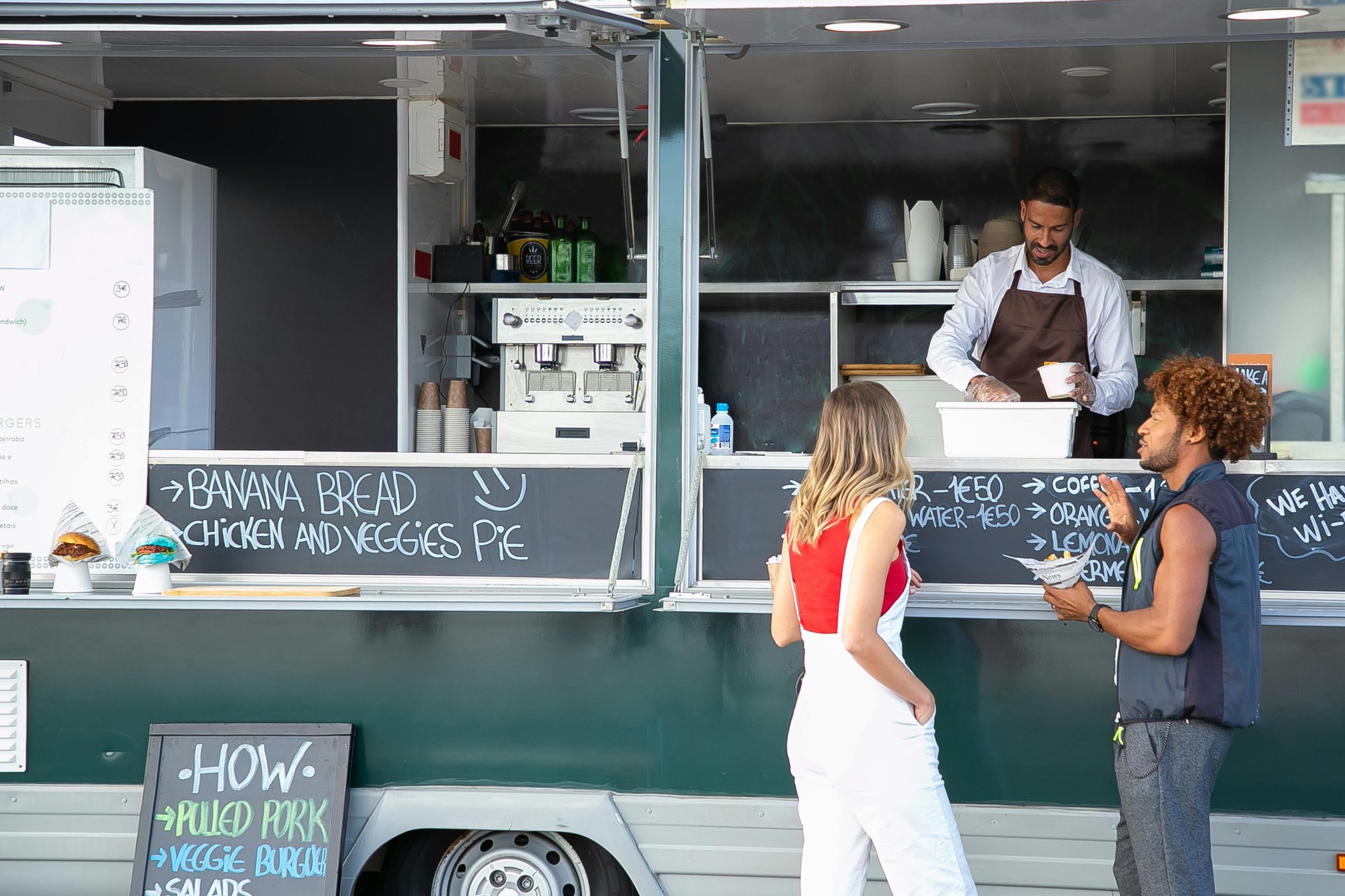
The food truck business in Kenya is growing rapidly, fueled by urbanization and an increasing demand for affordable, high-quality meals. In cities like Nairobi, Mombasa, and Kisumu, food trucks have become a popular way to deliver food quickly and conveniently. With lower initial startup costs compared to fixed restaurants and the mobility offered by food trucks, this business model presents an excellent opportunity for entrepreneurs. This guide will help you navigate the steps to start and run a successful food truck business in Kenya.
Why Food Trucks Are Growing in Kenya
The rise of food trucks in Kenya can be attributed to several key factors:
- Urbanization and Growing Middle Class: As more people move to cities, there is a greater demand for fast, affordable food options. The expanding middle class is also willing to spend more on dining out, including food trucks.
- Youthful Demographics: Food trucks cater to young professionals, students, and those looking for unique dining experiences, which makes them a hit with Kenya’s younger population.
- Flexibility and Mobility: Unlike fixed restaurants, food trucks can move to where the demand is, such as during events, festivals, or in busy business districts.
- Lower Startup Costs: The cost of starting a food truck is relatively low compared to traditional restaurants, making it an attractive option for first-time entrepreneurs.
Understanding the Food Truck Business Landscape in Kenya
Kenya’s food truck business benefits from the country’s vibrant food culture and growing interest in street food. Here’s a deeper look at the market:
- Food Truck Trends in Kenya: Kenyan food trucks are offering everything from gourmet burgers and fries to African fusion foods. The trend towards artisanal, health-conscious, and unique culinary experiences is growing.
- Key Locations for Food Trucks: Food trucks thrive in urban areas like Nairobi, Mombasa, and Kisumu, especially in busy business districts, near universities, in parks, and during major events.
Conducting Market Research and Identifying a Niche
Before launching your food truck, conducting thorough market research is crucial:
- Who Buys from Food Trucks?
- Office workers looking for quick meals
- Students seeking affordable food options
- People attending events and festivals
- Tourists looking to experience local street food
- Choosing Your Food Truck’s Focus: Decide on the type of food you’ll serve. Will you specialize in burgers, vegan options, or fusion cuisines? Offering something unique can help differentiate you from competitors.
- Analyzing Competition: Visit other food trucks and observe their offerings, pricing, and customer engagement. Look for gaps in the market where you can carve out your niche.
- Conducting Surveys: Use tools like Google Forms or SurveyMonkey to ask potential customers what they would like to see from a food truck.
Legal Requirements and Business Setup for Food Truck Business in Kenya
To start your food truck legally in Kenya, follow these steps:
- Register Your Business: Sign up with the Registrar of Companies and choose a business structure (sole proprietorship, partnership, or limited company).
- Food Safety Compliance: Obtain a food handling certificate from the Ministry of Health and ensure your food safety practices meet Kenya Bureau of Standards (KEBS) requirements.
- Health Inspections: Pass health inspections to ensure your food truck meets hygiene and safety standards.
- Parking Permits: Check local regulations to obtain permits for where you’ll park your truck. Some areas may require additional permits for special events or festivals.
- Insurance: Purchase insurance to cover your food truck, equipment, and any potential liabilities.
- Tax Compliance: Register with the Kenya Revenue Authority (KRA) and ensure you maintain accurate records for tax purposes.
Setting Up and Equipping Your Food Truck Business in Kenya
- Purchasing vs. Renting a Food Truck: You can either buy a food truck, which may cost between KES 500,000 and KES 2 million, or rent one if you’re starting small. Consider your budget, business needs, and long-term goals when deciding.
- Kitchen Equipment: Equip your food truck with essential tools like stoves, grills, fryers, refrigerators, and sinks. You’ll also need storage space for ingredients and packaging.
- Truck Design and Branding: Paint your food truck with vibrant colors and your brand logo. Make sure it stands out to attract customers.
- Power and Water: Invest in a reliable generator for power. Ensure there is a water storage and supply system if you operate in areas without access to water.
- Food Storage: Ensure your food storage system keeps ingredients fresh and safe. Use refrigerators and coolers to store perishables.
Developing Your Menu and Pricing Strategy
- Menu Creation: Offer a simple yet unique menu. Consider local tastes and popular street foods like burgers, grilled meats, or vegetarian options.
- Popular Food Truck Items in Kenya: Some popular items include burgers, mandazi, wraps, grilled meats, fries, and fusion dishes.
- Setting Prices: Ensure your prices are affordable but competitive. Most food truck items in Kenya are priced between KES 200 to KES 600.
- Managing Costs: Keep track of your ingredient costs and avoid wastage. Regularly review what sells well and adjust your offerings accordingly.
- Changing Your Menu: Be flexible and adjust your menu based on customer preferences and seasonal availability of ingredients.
Marketing Your Food Truck Business
To stand out in a competitive market, use effective marketing strategies:
- Create a Strong Brand: Choose a catchy name and logo. Your food truck’s design should also reflect your brand.
- Use Social Media: Leverage platforms like Instagram, Facebook, and TikTok to showcase your food and interact with customers.
- Get People Talking: Offer promotions to first-time customers and encourage satisfied customers to spread the word.
- Start a Loyalty Program: Create a rewards system for repeat customers.
- Cater for Events: Offer your services for private events, weddings, corporate functions, and festivals.
- Local Partnerships: Partner with local businesses like cafes or breweries to expand your customer base.
- Food Truck Apps: List your truck on local food apps like EatOut Kenya to increase visibility.
Opportunities and Growth Potential in the Food Truck Business
- Expand to New Locations: Consider taking your food truck to different areas within your city or even other towns.
- Cater for Companies and Events: Offer catering services for corporate events, weddings, and parties.
- Join Food Truck Events: Participate in food festivals and collaborate with other food trucks to attract larger crowds.
- Franchising: If your business is successful, consider franchising your food truck model.
- Add New Menu Items: Introduce new dishes or seasonal options to keep your menu exciting.
- Online Ordering and Delivery: Partner with delivery apps like Uber Eats or Glovo for wider reach.
- Cooking Classes or Workshops: Offer cooking classes or workshops as an additional revenue stream.
Challenges Facing the Food Truck Business in Kenya
- Dealing with Rules and Permits: Each location may have different regulations, so ensure you have the right permits to operate.
- Weather Issues: Rain can drive customers away, so have umbrellas or tents ready for protection.
- Competition: The rise in food trucks means more competition. Find ways to differentiate your business.
- Changing Food Costs: Ingredient prices fluctuate, so stay on top of your costs and adjust your prices when needed.
- Truck Maintenance: Regular maintenance and fuel costs can add up. Budget for repairs and upgrades.
- Security: Protect your truck and equipment when not in use. Consider hiring security for night events.
- Power and Water Supply: Be prepared for unreliable power and water supplies, especially in more remote locations.
Success Stories of Food Truck Entrepreneurs in Kenya
- Nairobi Street Kitchen: This food truck park in Nairobi brings together several food trucks offering diverse cuisines, creating a hub for food lovers.
- Mama Rocks: Known for their African-flavored gourmet burgers, Mama Rocks started with one truck and has since become a popular brand in Nairobi.
- The Roaming Chef: Specializing in high-end cuisine for events and festivals, this food truck shows that food trucks can cater to a more upscale market.
- Fogo Gaucho: A Brazilian cuisine food truck that expanded into multiple locations, proving that a unique concept can lead to rapid growth.
Conclusion
Starting a food truck business in Kenya offers an exciting and profitable venture. It’s a great way to serve the growing demand for fast, affordable, and unique meals, especially in urban centers. By choosing the right location, offering a well-priced and unique menu, and using effective marketing, you can establish a successful food truck business. While there are challenges like competition and weather issues, these can be overcome with creativity and strong customer engagement. With the right strategy, your food truck could become the next big success story in Kenya’s food scene.
Frequently Asked Questions
1. Is the food truck business profitable in Kenya?
Yes, food trucks can be very profitable, especially if you target high-foot-traffic areas and events. The key is to manage costs, offer a unique product, and maintain good customer service.
2. What are the main legal requirements for starting a food truck in Kenya?
You need to register your business, comply with food safety standards, obtain health inspection certifications, secure parking permits, get insurance, and ensure tax compliance.
3. How much does it cost to start a food truck in Kenya?
Startup costs range from KES 500,000 to KES 2 million, depending on whether you buy or rent a food truck and the equipment you require.


