United Nations Laissez-Passer: Everything You Need to Know in 2025
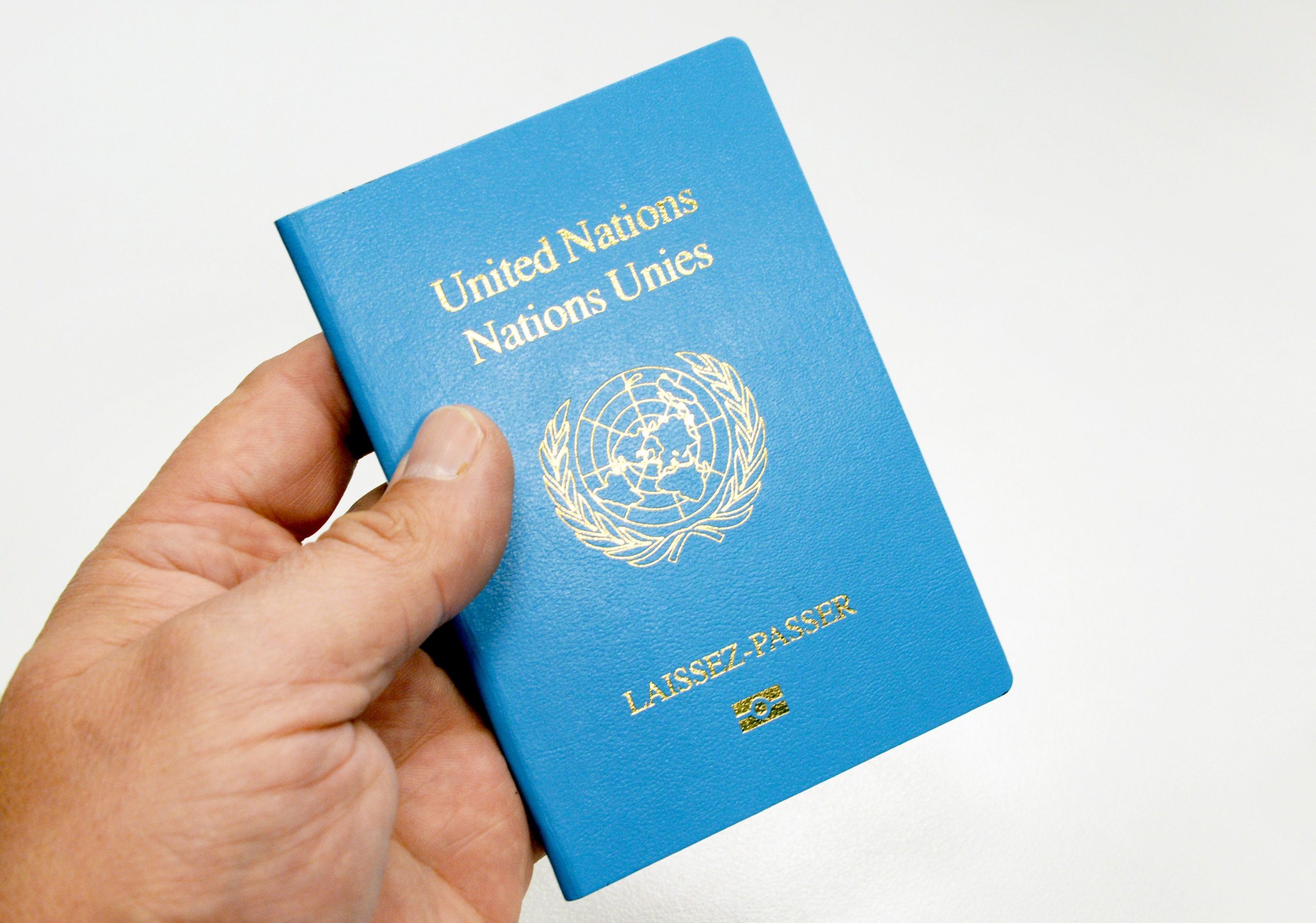
The United Nations laissez-passer (UNLP) is a unique travel document that plays a critical role in international diplomacy and official travel. Issued under the provisions of the 1946 Convention on the Privileges and Immunities of the United Nations, this document enables designated personnel to travel on official missions on behalf of the UN and its affiliated agencies.
Purpose of the United Nations Laissez-Passer
The UNLP is not a typical national passport but serves as a valid identification and travel document strictly for official UN business. It allows eligible holders to enter and exit countries that recognize it, often facilitating smoother border crossings for personnel engaged in diplomatic or humanitarian work.
Who Is Eligible for a UNLP?
The United Nations laissez-passer is issued to:
- UN staff members
- Officials from United Nations specialized agencies (such as WHO, IAEA, WTO, IMF)
- International Labour Organization (ILO) employees
- Staff from affiliated bodies like the World Bank and International Organization for Migration
However, certain individuals are not eligible, including:
- Consultants and contractors
- UN goodwill ambassadors and Messengers of Peace
- Experts on missions (though they may receive a UN Certificate, not a travel document)
Types of UNLP
There are two primary types of laissez-passer:
1. Blue UNLP
- Issued to regular staff members up to level D-1.
- Legally comparable to a service passport.
2. Red UNLP
- Reserved for high-ranking officials (D-2 level and above).
- Offers privileges akin to those of a diplomatic passport.
Features of the UNLP
The United Nations laissez-passer contains detailed identification information:
- Type: LP (Laissez-passer)
- Code: UNO or UNA (for United Nations Organization or Agency)
- Full name, date of birth, sex, and title
- Date of issue and expiry
- Issuing authority (e.g., GVA for Geneva)
- Signature of the holder
Unlike regular passports, the UNLP:
- Does not list nationality or place of birth
- Uses “UNO/UNA” in place of country codes in machine-readable zones
- Is written in English and French, the working languages of the UN
Introduction of the e-UNLP
Since September 3, 2012, the UN introduced the e-UNLP, a biometric and machine-readable version that aligns with ICAO standards. Key characteristics include:
- Embedded bio-chip and facial recognition
- Valid for five years with no extensions or renewals
- No provision for including dependents
- No option for adding extra visa pages
The e-UNLP reflects the organization’s push for greater security and efficiency in identity management.
Limitations of the UNLP
Despite its broad acceptance, the United Nations laissez-passer is not without restrictions:
- It cannot be used to apply for Electronic Travel Authorization (eTA) in countries like Canada
- It is valid only for official missions, not for personal or private travel
- Many countries still require a visa, even if the traveler holds a UNLP
Alternative Documentation: UN Certificate
While not a legal travel document, the UN Certificate can be issued to experts on mission. It validates their association with official duties but does not replace a passport or grant travel privileges.
Conclusion
The United Nations laissez-passer is a vital travel document for global governance and diplomatic functions. It ensures that UN officials can operate across borders while carrying out missions in health, peacekeeping, humanitarian aid, and global development. While not a substitute for a national passport, its official status grants holders certain travel privileges in recognition of their international roles.
Understanding its features, eligibility, and limitations helps demystify the scope and function of this important document in today’s interconnected world.