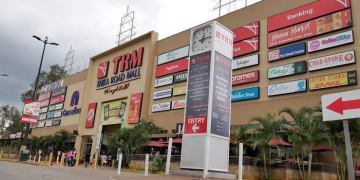
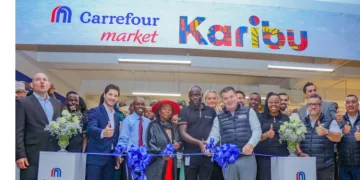
Uchumi Supermarkets comeback efforts have taken a major step forward with the official opening of two new Nairobi branches at Langata and Unicity Mall along Thika Road near Kenyatta University. The beloved retail chain, once a dominant force in Kenya’s supermarket sector, is signaling a renewed push to reconnect with shoppers who grew up with the brand. The relaunch represents its most promising revival attempt in recent years, highlighting Uchumi’s intent to regain relevance in an increasingly competitive retail market.
The announcement sparked strong interest across Nairobi, with the company encouraging customers to visit the Unicity branch and embrace Uchumi’s familiar value-driven shopping experience. The retailer’s return introduces a new phase for a brand that once shaped Kenya’s modern retail culture before facing financial collapse, restructuring, and years of downsizing.
Since its founding in 1975 by Kenyan parastatals, Uchumi served as a national symbol of accessible retail and economic empowerment. Its early partnership with Italian chain Standa SPA helped establish Kenya’s first structured supermarket management system. The company listed on the Nairobi Stock Exchange in 1992, growing rapidly through the 1990s and early 2000s. However, mismanagement and financial strain led to Uchumi’s dramatic closure and receivership in 2006, marking one of Kenya’s biggest corporate failures. A government rescue plan enabled limited operations to resume a month later, and by 2011 Uchumi had regained enough stability to relist on the NSE.
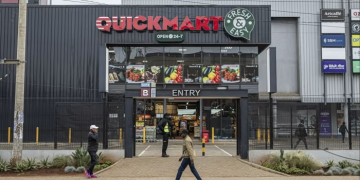
Despite these efforts, Uchumi continued to struggle. By December 2020, only three branches remained in Kenya, following the closure of 34 stores that had once stretched across East Africa. The shutdown of its Tanzanian and Ugandan stores in 2015 led to the loss of 900 jobs, reflecting the depth of its challenges. Leadership changes, theft investigations, debt pressures, and shifting consumer preferences further destabilized the chain. Competition from emerging giants such as Naivas, Quick Mart, and Carrefour widened the gap, solidifying the dominance of rivals.
The company’s ownership structure has long included major institutional stakeholders such as Jamii Bora Bank, the Ministry of Trade, KWAL Holdings, and thousands of regional stock market investors. Uchumi’s financial history shows periods of significant asset value, including reported assets of KES 6.8 billion in 2014, but sustaining profitability proved difficult as the retail landscape evolved.
With the reopening of new Nairobi branches, Uchumi aims to rebuild trust, improve its product offering, and reintroduce a modern customer experience while drawing on decades of brand equity. The renewed presence at Langata and Unicity reflects a strategic choice to position the supermarket in high-traffic areas with strong community engagement. The company has emphasized that these stores are only the beginning of a broader recovery roadmap.
Kenyan consumers have shown cautious optimism, particularly those who associate the brand with nostalgia and affordability. While Uchumi faces an uphill task competing with established market leaders, its return adds diversity to the retail sector and reopens a chapter many believed was closed. Uchumi’s future success will depend on operational discipline, strong supplier partnerships, efficient inventory management, and the ability to adapt to a rapidly transforming supermarket industry.
The retailer has encouraged customers to follow its official platforms for updates on offers, activities, and further branch developments. For now, Uchumi’s presence at Langata and Unicity marks a symbolic return home, inviting shoppers back with the familiar phrase: Karibuni nyumbani.