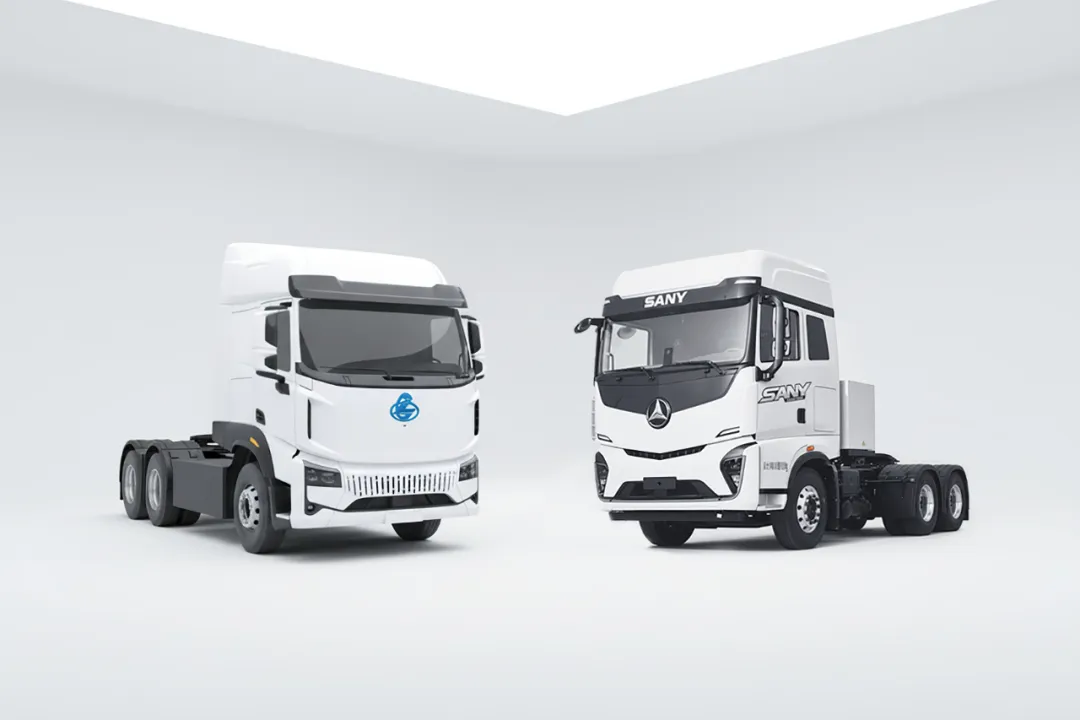
Pony.ai has announced a major step forward in commercial autonomous freight technology with the development of its fourth-generation autonomous truck system. The company revealed new partnerships with SANY Heavy Truck and Dongfeng Liuzhou Motor, with all three entities collaborating to build a next-generation autonomous truck family scheduled for release in 2026. According to Pony.ai, the system is engineered for long-term commercial use, featuring a service life of up to 20,000 hours and the ability to support one million kilometers of freight operations.
The fourth-generation platform adopts a modular, vehicle-agnostic design intended to support multiple truck models. The first two mass-production models will be based on advanced pure-electric platforms supplied by SANY and Dongfeng, with initial deployment expected next year. The goal is to scale production to the thousand-unit level, positioning the trucks for large-scale logistics operations.
A key advancement is Pony.ai’s use of 100% automotive-grade components in the new autonomous driving kit. By reusing most components from its next-generation Robotaxi hardware, the company has lowered the bill of materials cost for the truck system by approximately 70% compared to the previous generation. This cost reduction is expected to make commercial deployment significantly more viable.
The company also highlighted its “1+4” truck platooning model—where a human-driven lead truck is followed by four fully autonomous trucks. Based on current demonstration results, this formation can reduce freight cost per kilometer by 29%, boost transport profit by 195%, and cut carbon emissions by roughly 60 tonnes per vehicle annually. Such performance improvements underscore the potential impact autonomous platooning could have on long-distance freight economics.
Safety remains a central focus. The fourth-generation trucks adopt full-redundancy design principles derived from Pony.ai’s Robotaxi system, ensuring that key functions—from computing to perception—include backup mechanisms. The system’s durability rating of one million kilometers of operation positions it competitively within the global autonomous trucking landscape.
Since entering the autonomous trucking sector in 2018, Pony.ai has built a fleet of around 200 autonomous trucks, completed more than 1 billion tonne-kilometers of freight operations, and secured multiple first-in-industry autonomous truck permits across China. The company has also conducted large-scale platooning tests nationwide, advancing both technical reliability and regulatory readiness.
With the fourth-generation platform, industry partnerships, and mass production plans, Pony.ai appears positioned to accelerate the commercial rollout of autonomous freight solutions in 2026 and beyond.