Richest people in South Dakota are not always the loudest names in American wealth rankings.
The state is widely known for Mount Rushmore, agriculture, ranching and open prairie. Yet behind that rural image sits a powerful financial story. South Dakota has become a major centre for banking, credit cards, asset protection, private trusts, agriculture, real estate and family wealth planning.
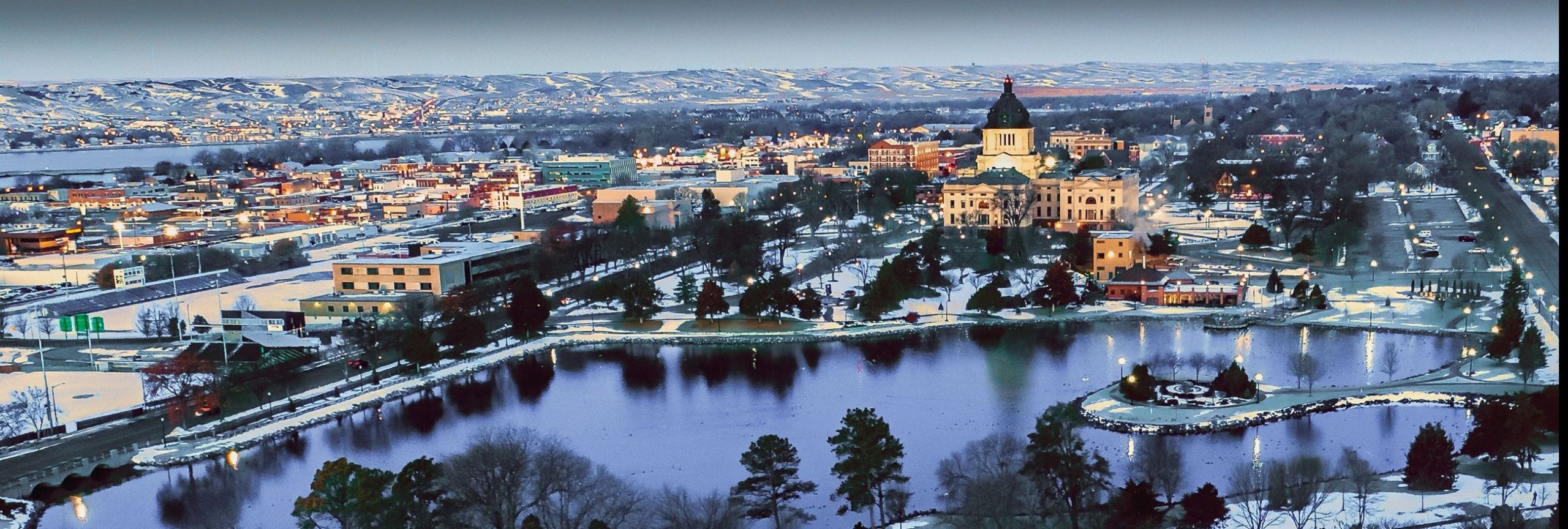
Sioux Falls has grown into one of the most important financial centres in the Upper Midwest, helped by banking deregulation, credit-card operations and a strong business environment. Rapid City, Pierre, Brookings and Yankton also contribute through healthcare, tourism, agriculture, legal services, infrastructure and land ownership.
South Dakota’s wealth profile is unusual because it includes both visible billionaires and private fortunes that are hard to measure. Some wealthy families and individuals use trusts, ranch holdings, real estate partnerships and private companies, making exact net worth figures difficult to verify.
This list highlights the top 10 people commonly associated with wealth in South Dakota in 2025. The figures are estimates, not official audited financial declarations.
Important Note on Net Worth Estimates
Private net worth is difficult to verify.
Most individuals do not publish audited personal financial statements. Their actual wealth may depend on business ownership, debt, land values, trusts, private equity holdings, family assets, real estate and market conditions.
T. Denny Sanford is the clearest publicly documented billionaire on this list because he appears in major wealth rankings. For several others, the figures are best treated as local estimates based on business influence, leadership roles, property interests and public reputation.
Where public evidence is limited, this article uses cautious language.
Top 10 Richest People in South Dakota
| Rank | Name | Estimated Net Worth | Main Source of Wealth | Main Base |
|---|---|---|---|---|
| 1 | T. Denny Sanford | $2.3 billion | Banking, credit cards, investments | Sioux Falls |
| 2 | Miles Beacom | $420 million | Financial services, PREMIER Bankcard | Sioux Falls |
| 3 | Dana Dykhouse | $300 million | Banking, investments, real estate | Sioux Falls |
| 4 | Gustav “Gus” Schumacher | $270 million | Reported trust holdings, timber, agriculture | Rapid City |
| 5 | Debra Anderson | $240 million | Reported agriculture and land holdings | Pierre |
| 6 | Mark Mickelson | $200 million | Law, finance, private investment, politics | Sioux Falls |
| 7 | Todd Epperson | $180 million | Reported infrastructure and energy | Rapid City |
| 8 | Jo Dean | $160 million | Restaurants, land and property | Yankton |
| 9 | Kevin Schieffer | $150 million | Railroads, transport, investment | Sioux Falls |
| 10 | Nancy Johnson | $130 million | Reported healthcare and asset management | Brookings |
1. T. Denny Sanford
Estimated Net Worth: $2.3 billion
Source of Wealth: Banking, credit cards and investments
Residence: Sioux Falls
T. Denny Sanford is widely regarded as the richest person in South Dakota.
He built his fortune through First PREMIER Bank and PREMIER Bankcard, two of the most important financial institutions headquartered in Sioux Falls. His business empire is closely linked to credit cards, banking, consumer finance and long-term investment.
Sanford is also one of South Dakota’s best-known philanthropists. His name appears across hospitals, children’s health programmes, education initiatives and major public projects. Sanford Health, one of the largest rural healthcare systems in the United States, carries his name because of his major donations.
His wealth matters beyond personal ranking. Sanford helped place Sioux Falls on the national financial map and turned banking success into one of the most visible philanthropic legacies in the Midwest.
2. Miles Beacom
Estimated Net Worth: $420 million
Source of Wealth: Financial services and PREMIER Bankcard
Residence: Sioux Falls
Miles Beacom is one of the most influential financial executives in South Dakota.
He is best known for his leadership at PREMIER Bankcard, where he helped grow the company into a major credit-card issuer and one of Sioux Falls’ largest private employers. His career is closely tied to the rise of the city as a banking and credit-card hub.
Beacom’s wealth is estimated from his long executive career, private financial-sector influence, business leadership and regional investments. Unlike Sanford, he is not usually listed in national billionaire rankings, so any exact figure should be treated as an estimate.
Beyond finance, Beacom is active in community development, philanthropy and education. He has supported institutions such as Dakota State University and the University of South Dakota, where the Beacom School of Business reflects his influence.
3. Dana Dykhouse
Estimated Net Worth: $300 million
Source of Wealth: Banking, real estate and investments
Residence: Sioux Falls
Dana Dykhouse is another major figure in South Dakota’s financial sector.
As chairman and chief executive of First PREMIER Bank, he has helped guide one of the state’s most important banking institutions. Under his leadership, the bank has grown significantly and strengthened its reputation as a major locally rooted financial institution.
Dykhouse’s estimated wealth is linked to banking leadership, compensation, private investments, real estate and long-term financial-sector influence.
He is also known for philanthropy and civic involvement. His support for South Dakota State University is reflected in the Dana J. Dykhouse Stadium, one of the most visible sports and education facilities in the state.
His influence shows how banking remains one of the clearest routes to wealth in South Dakota.
4. Gustav “Gus” Schumacher
Estimated Net Worth: $270 million
Source of Wealth: Reported trust holdings, timber and agriculture
Residence: Rapid City
Gustav “Gus” Schumacher is commonly described in local wealth discussions as a private trust and land-linked investor.
Because of South Dakota’s strong trust privacy laws, details about private trust beneficiaries, family offices and long-term wealth structures are often difficult to verify. For that reason, Schumacher’s reported fortune should be treated cautiously unless confirmed by public filings, court records or direct business disclosures.
His estimated wealth is generally linked to timber, ranching, agricultural land, private equity and family trust holdings.
South Dakota’s trust system has helped make the state attractive for wealthy families seeking privacy, asset protection and multigenerational estate planning. Private individuals connected to these structures may hold large assets without appearing in national billionaire lists.
Schumacher’s inclusion reflects that hidden side of South Dakota wealth.
5. Debra Anderson
Estimated Net Worth: $240 million
Source of Wealth: Reported agriculture, land and real estate
Residence: Pierre
Debra Anderson is commonly described as a landowner and agricultural wealth figure connected to central South Dakota.
Her estimated wealth is linked to ranching, farmland, real estate, mineral leasing and wind-energy rights. In a state where land remains one of the most powerful forms of wealth, agricultural property can create significant long-term value.
South Dakota has large privately held ranches and farms, and land values can rise sharply when properties are tied to energy rights, development potential, crop production or leasing income.
However, Anderson’s exact financial standing is not publicly confirmed. The estimated figure should therefore be treated as a local wealth estimate rather than an official valuation.
Her profile represents a key reality in South Dakota: some of the state’s richest people are not public celebrities, but landowners.
6. Mark Mickelson
Estimated Net Worth: $200 million
Source of Wealth: Law, accounting, private investment and public service
Residence: Sioux Falls
Mark Mickelson is a lawyer, CPA, private investor and former Speaker of the South Dakota House of Representatives.
He comes from one of South Dakota’s best-known political families. His father, George S. Mickelson, served as governor, and the Mickelson name has long been connected to public service in the state.
Mark Mickelson built his professional career in finance, law, business development and private investment. He is president of Mickelson & Company, a firm focused on tax-motivated capital advisory work, rural economic development, railroads and renewable-energy-related industries.
His estimated wealth comes from professional services, private investments, business networks and long-term advisory work.
Mickelson’s profile shows how law, finance and politics often overlap in South Dakota’s wealth ecosystem.
7. Todd Epperson
Estimated Net Worth: $180 million
Source of Wealth: Reported energy, infrastructure and construction
Residence: Rapid City
Todd Epperson is often described in local wealth rankings as an infrastructure and energy entrepreneur connected to western South Dakota.
His reported wealth is associated with pipeline construction, rural infrastructure, energy transport and wind-energy development. These sectors are important in South Dakota because the state has large rural networks, major agricultural operations and growing renewable-energy potential.
Infrastructure contractors can build significant wealth through public works, energy projects, utility expansion, transport links and private development contracts.
However, the exact details of Epperson’s companies and personal wealth are not widely verified in major national financial databases. His ranking should therefore be treated as an estimate based on local reporting and business reputation.
8. Jo Dean
Estimated Net Worth: $160 million
Source of Wealth: Restaurants, property and land development
Residence: Yankton
Jo Dean is commonly linked to the hospitality and property side of South Dakota wealth.
The JoDean’s name is associated with a long-running Yankton restaurant brand that became familiar to many residents and travellers. Hospitality businesses can become strong cash-flow engines when owners reinvest profits into land, commercial property and agricultural leasing.
Dean’s estimated wealth is linked to restaurant operations, property development and land interests.
As with several private individuals on this list, exact financial records are not publicly available. The estimate should be read as a broad local ranking figure rather than an audited net worth.
Her profile highlights a common wealth path outside big finance: build a local business, hold property for decades and expand into real estate.
9. Kevin Schieffer
Estimated Net Worth: $150 million
Source of Wealth: Railroads, transport and investments
Residence: Sioux Falls
Kevin Schieffer is best known for his leadership role at Dakota, Minnesota & Eastern Railroad.
He served as president and chief executive of DM&E during a major period in the company’s history. The railroad became nationally visible because of its expansion ambitions and eventual sale to Canadian Pacific.
Railroads are asset-heavy businesses, and executives connected to major transport deals can build substantial wealth through compensation, equity, advisory work and later investments.
Schieffer’s estimated net worth is tied to transportation, logistics, business leadership and regional investment activities.
His inclusion on the list reflects South Dakota’s role in freight, agriculture movement and rail infrastructure, especially across the Upper Midwest.
10. Nancy Johnson
Estimated Net Worth: $130 million
Source of Wealth: Reported healthcare, philanthropy and asset management
Residence: Brookings
Nancy Johnson is commonly described in local wealth discussions as a healthcare and investment-linked figure connected to Brookings.
Her estimated wealth is linked to rural healthcare expansion, philanthropy, asset management and private investments. Healthcare is one of South Dakota’s most important sectors, especially because rural communities depend heavily on hospitals, clinics, insurers and specialist services.
However, public information confirming the exact size and source of Johnson’s personal fortune is limited. The figure should therefore be treated as an estimate.
Her inclusion reflects a broader trend: healthcare leadership and healthcare-related investment have become important sources of wealth in South Dakota.
Why South Dakota Has So Much Hidden Wealth
South Dakota’s wealth story is not only about billionaires.
The state has become a major trust and asset-protection hub. Wealthy families from across the United States and abroad use South Dakota trusts because of the state’s privacy laws, flexible trust structures and favourable tax environment.
South Dakota does not have a state income tax, capital gains tax, estate tax or inheritance tax. It also allows long-lasting dynasty trusts, which can help families preserve assets across generations.
This system has made the state attractive for private wealth planning.
That means some of the richest people connected to South Dakota may not live there full time. Some may hold assets through South Dakota trust companies, family offices or private legal structures.
This makes wealth rankings difficult.
Why Sioux Falls Dominates South Dakota Wealth
Sioux Falls is the centre of South Dakota’s modern wealth economy.
The city is home to major banking operations, credit-card companies, healthcare institutions, professional service firms, real estate developers and corporate headquarters.
Financial deregulation helped attract banking activity, and the city built on that advantage by developing a strong business-services environment.
First PREMIER Bank, PREMIER Bankcard, Sanford Health and other institutions helped shape Sioux Falls into more than a regional city. It is now a serious financial and healthcare centre in the Midwest.
For that reason, many of South Dakota’s richest people are connected to Sioux Falls.
Agriculture and Land Still Matter
Even with the rise of banking and trusts, land remains a major source of wealth in South Dakota.
Ranching, crop farming, timber, mineral rights, wind-energy leases and development land all contribute to private fortunes.
Families that have held land for generations may control assets worth tens or hundreds of millions of dollars. These fortunes are often less visible than banking wealth because they are spread across farms, ranches, LLCs, trusts and family partnerships.
In South Dakota, land is not just property. It is economic power.
Trusts, Privacy and Wealth Rankings
South Dakota’s trust laws make it difficult to identify every wealthy person tied to the state.
Trust documents may remain private, and families can structure assets in ways that do not appear in ordinary public records. This privacy attracts high-net-worth families, but it also makes wealth reporting more complicated.
That is why lists of the richest people in South Dakota often combine verified billionaires, known executives, landowners, businesspeople and locally reported private wealth figures.
Readers should be cautious with any ranking that claims exact certainty.
The more private the fortune, the harder it is to verify.
Key Takeaways
- T. Denny Sanford is the clearest publicly documented billionaire tied to South Dakota.
- Sioux Falls dominates the state’s wealth through banking, credit cards, healthcare and professional services.
- First PREMIER Bank and PREMIER Bankcard are central to South Dakota’s modern financial story.
- Miles Beacom and Dana Dykhouse are major financial-sector leaders, though their personal net worth figures are estimates.
- South Dakota’s trust laws attract wealthy families seeking privacy and long-term estate planning.
- Land, agriculture and ranching remain powerful sources of private wealth.
- Kevin Schieffer represents the transport and railroad side of South Dakota business.
- Mark Mickelson represents the link between law, finance, private investment and public service.
- Several private wealth estimates are difficult to verify because of trust privacy and limited public filings.
- All net worth figures should be treated as estimates, not official financial declarations.
Frequently Asked Questions
Who is the richest person in South Dakota?
T. Denny Sanford is widely regarded as the richest person in South Dakota. He built his fortune through First PREMIER Bank, PREMIER Bankcard and related investments.
What is T. Denny Sanford’s net worth?
This 2025 ranking estimates T. Denny Sanford’s net worth at about $2.3 billion. Public billionaire estimates change over time depending on asset values and market conditions.
How did T. Denny Sanford make his money?
He made his money through banking, credit cards, financial services and investments connected to First PREMIER Bank and PREMIER Bankcard.
Why is South Dakota popular with wealthy families?
South Dakota is popular with wealthy families because of its trust laws, privacy protections, lack of state income tax, lack of capital gains tax, lack of estate tax and dynasty trust structures.
Is Sioux Falls a financial hub?
Yes. Sioux Falls is one of the most important financial centres in the Upper Midwest, especially for banking, credit cards, healthcare and professional services.
Are South Dakota trust assets public?
Many trust details are private. This makes it difficult to know exactly who controls wealth held through South Dakota trust structures.
Are the net worth figures official?
No. Most figures in this list are estimates. They are not official audited personal financial declarations.
Who are the richest banking executives in South Dakota?
T. Denny Sanford, Miles Beacom and Dana Dykhouse are among the most prominent names connected to South Dakota banking wealth.
What industries create wealth in South Dakota?
Major wealth sources include banking, credit cards, trusts, agriculture, land, healthcare, infrastructure, railroads, real estate and professional services.
Is agriculture still important to South Dakota wealth?
Yes. Agriculture, ranching, land ownership, wind-energy leases and mineral rights remain important sources of private wealth.
Conclusion
The richest people in South Dakota reflect a state with two wealth stories.
The first is visible wealth. This includes T. Denny Sanford, First PREMIER Bank, PREMIER Bankcard, major executives, rail leaders and public business figures.
The second is private wealth. This includes landowners, trust beneficiaries, family offices, agricultural investors and private companies whose assets are harder to measure.
South Dakota may look rural from the outside, but its financial influence is much larger than many people realise. Banking, credit cards, trusts, land and healthcare have turned the state into a quiet centre of American wealth.
Still, readers should treat all private net worth figures carefully. Exact fortunes are rarely public, and South Dakota’s trust privacy laws make some wealth difficult to trace.
What is clear is that the state’s richest individuals and stakeholders have shaped finance, philanthropy, land ownership and regional development in powerful ways.
Read Also: The Top 10 Richest African Countries by Foreign Reserves in 2025