The narrative of Walusimbi Meddy develops in Uganda, a nation whose social conduct is rigorously governed by law and customary conventions. This illustrates the intricate relationship between cultural expectations and personal identity. Meddy’s trip from Uganda to Djibouti and back again sheds light on the difficulties experienced by those whose personal lives deviate from social conventions, especially when it comes to sexual orientation.
In search of a fresh start free from the attention and censure surrounding same-sex relationships in Uganda, Walusimbi Meddy set out for Djibouti. Such partnerships are not only illegal but also socially stigmatized in Uganda, which is representative of sentiments prevalent in many African nations where LGBTQ identities frequently conflict with traditional norms.
Meddy had to return to Uganda after experiencing similar social biases in Djibouti, thus his hopes of finding safety were short-lived. When he returned, he discovered that his earlier deeds had not gone unnoticed. He had been explicitly banned from residing among his community after word of his same-sex relationship caused a wave of indignation. A large portion of Ugandan culture is characterized by a strict commitment to traditional standards, as seen by this community gathering, which ended with Meddy being shunned.
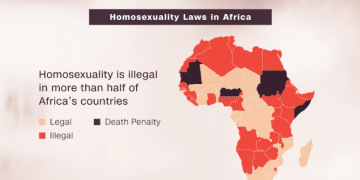
Meddy’s experience is representative of the wider social unrest in Uganda and many other African countries, where LGBTQ people frequently run afoul of the law and prevailing cultural norms. Under the possibility of legal prosecution or social marginalization, people in Uganda are under tremendous pressure to adhere to heterosexual standards due to the legal ban of homosexuality and the widespread social rejection of it.
The ensuing life of secret that Walusimbi Meddy led and the ongoing fear of discovery she faced are representative of the struggles that many LGBTQ people in comparable circumstances confront. Meddy’s narrative highlights the human cost of social rejection and the extent people would go to in order to safeguard their safety and privacy, as she navigates a precarious existence.
Although Walusimbi Meddy’s story is unique in its circumstances, it represents the larger problems LGBTQ people face in nations where acceptable forms of relationship and identity are firmly dictated by conventional beliefs. It draws attention to the continuous struggle between the acceptance of individual rights and identities and the maintenance of cultural norms.
Memorable accounts such as Meddy’s serve as stark reminders of the human cost of adhering to strict cultural standards at a time when Uganda and other African countries struggle with the junction of traditional values and contemporary human rights discourses. His experience serves as a reminder of the need of communication and mutual understanding when tackling the complicated issues of culture, identity, and legal limitations that face modern African nations.