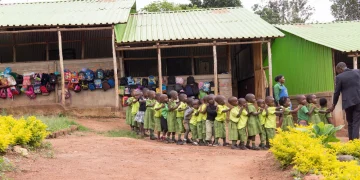
Waluka Primary School, a cornerstone of education in its region of Western Kenya, represents the evolution of educational access and community development in the area. This history article explores the inception, growth, and influence of Waluka Primary School, illustrating its role in shaping the educational landscape and community life.
Foundation and Mission
Established in the mid-20th century, Waluka Primary School was born out of a community’s aspiration for accessible education for its children. At a time when Kenya was still navigating the complexities of post-colonial education systems, the establishment of Waluka Primary School marked a significant step forward for the local community, aiming to eradicate illiteracy and empower the youth.
The school began with a modest number of students and rudimentary facilities, often relying on community contributions and volunteer teaching. Its mission was clear from the outset: to provide a robust educational foundation for children, equipping them with the skills and knowledge to thrive in a changing world.
Growth and Development
Over the decades, Waluka Primary School witnessed considerable growth in terms of student population and infrastructure. The government’s increasing focus on education in rural areas brought necessary funds and resources, facilitating gradual improvements in the school’s facilities and teaching quality.
The school expanded its physical layout to include more classrooms, administrative offices, and recreational areas. This development was paralleled by an enrichment of the academic curriculum, incorporating a broader range of subjects and extracurricular activities to cater to the diverse interests and talents of the students.
Challenges and Resilience
Like many rural schools in Kenya, Waluka Primary School faced its share of challenges, including limited financial resources, fluctuating enrolment numbers, and the need for qualified teaching staff. Additionally, the school had to navigate the complexities of evolving educational policies and societal expectations.
Despite these hurdles, Waluka Primary School demonstrated remarkable resilience, driven by a dedicated team of teachers and community leaders who were committed to the school’s educational mission. Their efforts ensured that the school remained a place of learning and opportunity, even in the face of adversity.
Community Impact and Legacy
The impact of Waluka Primary School on the surrounding community has been significant. As a center of learning and social gathering, the school has played a pivotal role in the community’s socio-economic development, influencing generations of students and their families.
The school’s alumni have gone on to various fields of endeavor, contributing to the community and beyond. This legacy of success underscores the importance of the educational foundation provided by Waluka Primary School and its role in nurturing future leaders and professionals.
Contemporary Status and Vision
Today, Waluka Primary School continues to adapt to the changing educational landscape, integrating technology and modern teaching methodologies to enhance the learning experience. The school’s vision extends towards creating a more inclusive and comprehensive educational environment, ensuring that every child has the opportunity to succeed.
Conclusion
The history of Waluka Primary School is a narrative of community aspiration, educational progress, and enduring legacy. From its humble beginnings to its current status as a key educational institution, the school has played an instrumental role in transforming the lives of many and continues to stand as a testament to the power of education in societal development.