🧠 The Future of AI in Medical Diagnosis Explained
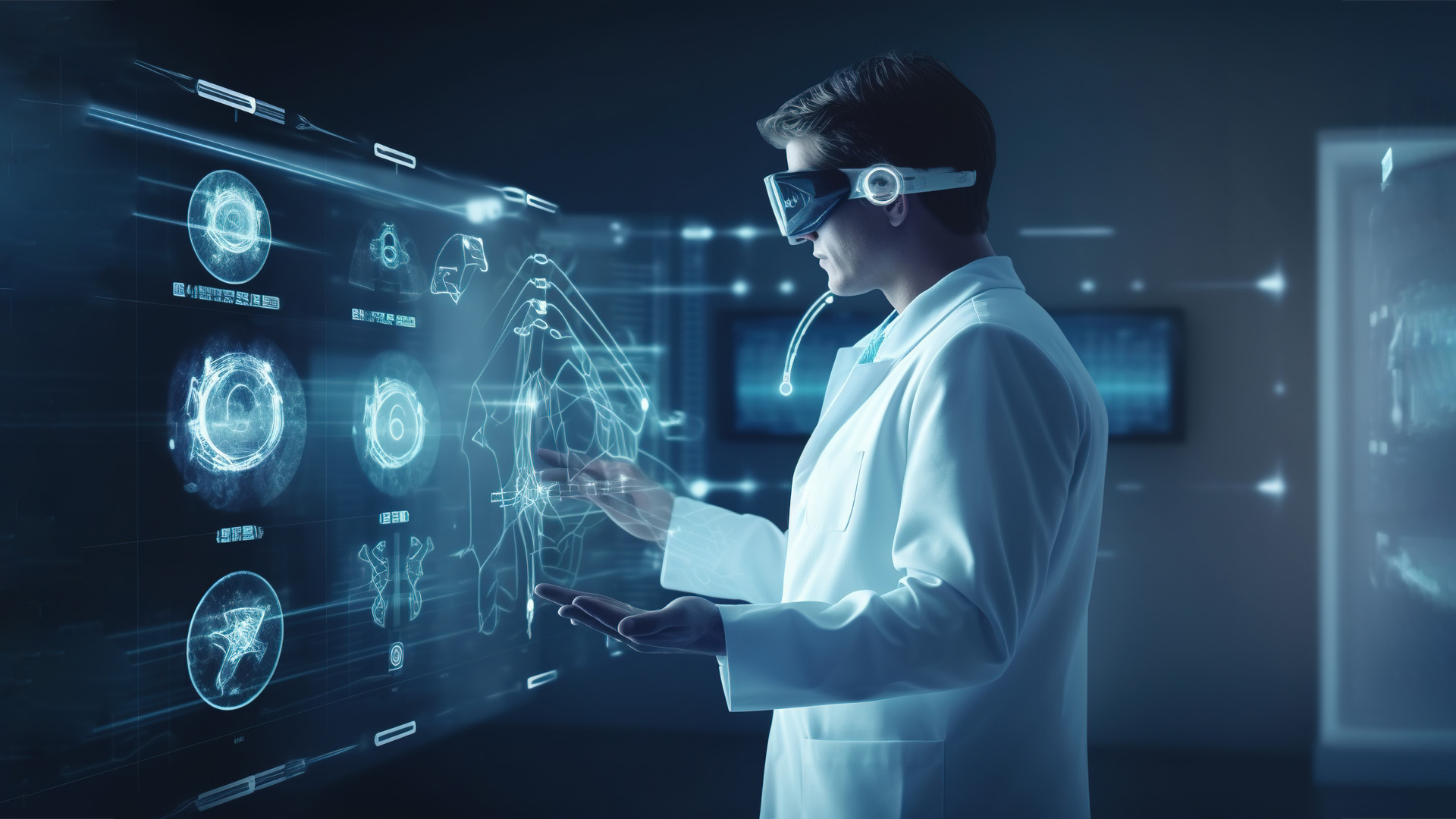
Artificial intelligence is reshaping the way doctors detect and understand diseases. In 2025, the future of AI in medical diagnosis points to faster, more accurate, and more accessible healthcare—powered by intelligent algorithms and massive data insights.
Here’s how AI is revolutionizing diagnostics and what lies ahead.
🩺 1. Enhancing Diagnostic Accuracy
AI systems trained on millions of medical images and datasets now:
- Identify abnormalities in X-rays, CT scans, MRIs, and pathology slides
- Detect early-stage cancers, tumors, and rare conditions
- Reduce human error in reading test results
Leading tools like Google’s Med-PaLM, PathAI, and Aidoc outperform radiologists in certain diagnostic tasks.
✅ Result: Quicker and more accurate diagnoses for better treatment outcomes.
🧬 2. Personalized and Data-Driven Diagnosis
AI considers a patient’s entire profile—genetics, history, lifestyle—to:
- Predict disease risk
- Recommend targeted screenings
- Customize diagnostic approaches
Platforms like Tempus and IBM Watson Health use precision data to guide medical decisions.
✅ Result: Diagnoses tailored to each individual, not just the average patient.
📱 3. On-Demand Diagnostic Tools for Remote Access
AI-driven mobile and cloud tools offer:
- Real-time symptom analysis
- Digital pathology and lab result interpretation
- Chatbot triage and early detection tools
Apps like Ada Health, Babylon, and SkinVision bring diagnostics to patients’ fingertips.
✅ Result: Expands access to care—especially in underserved or remote areas.
🧠 4. Predictive Diagnostics for Early Intervention
AI forecasts potential health issues by monitoring:
- Vital signs from wearable devices
- Electronic health records (EHRs)
- Behavioral and environmental data
Tools like Current Health and Health Catalyst alert doctors before symptoms escalate.
✅ Result: Prevention and early intervention, not just reaction.
🧪 5. Accelerating Diagnostic Research and Development
AI supports researchers by:
- Analyzing complex datasets for new disease markers
- Simulating medical scenarios and patient outcomes
- Speeding up the validation of new diagnostic models
Institutions use DeepMind, BenevolentAI, and other AI engines for medical discovery.
✅ Result: Faster innovation and global access to cutting-edge tools.
🔬 6. Human-AI Collaboration: Not Replacement
The future isn’t AI vs. doctors—it’s AI + doctors. AI handles:
- Data crunching and pattern recognition
- Visual analysis at scale
- Risk modeling
Doctors contribute:
- Empathy and communication
- Contextual judgment
- Ethical decision-making
✅ Result: Augmented decision-making, not automated medicine.
📦 Summary Table: The Future of AI in Medical Diagnosis
| Application Area | AI Use Case | Key Benefit |
|---|---|---|
| Imaging and Scans | X-rays, CT, MRI analysis | Early, accurate detection |
| Personalized Diagnostics | Genetic and lifestyle-based assessment | Tailored diagnosis and treatment |
| Remote Tools | Symptom apps, chatbot triage | Expanded global access |
| Predictive Monitoring | Wearables and EHR tracking | Preventive care and early alerts |
| Medical R&D | Disease marker discovery | Faster innovation in diagnostics |
| Clinician Collaboration | Decision support and insights | Enhanced medical judgment |
🎯 Final Thoughts on the Future of AI in Medical Diagnosis
The future of AI in medical diagnosis is bright—and already underway. With tools that analyze, predict, and personalize at scale, AI is transforming how healthcare professionals detect disease and save lives.
This evolution isn’t just about technology—it’s about empowering better care, everywhere.