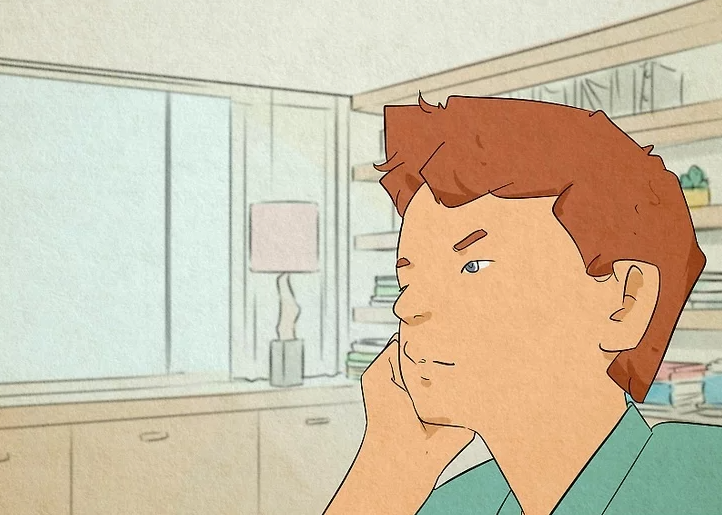
Parents are often seen as pillars of support, wisdom, and love, but sometimes that bond frays, leaving anger, hurt, or even hate in its place. Whether it’s a single incident—like losing privileges—or years of deeper wounds, like neglect or abuse, you might feel an overwhelming urge to tell a parent how you truly feel. Saying “I hate you” is a heavy step, but it can be done in a way that’s calm, healthy, and constructive—if you prepare yourself emotionally, approach the conversation thoughtfully, and plan for what comes next. Here’s how to navigate this delicate situation while keeping your dignity and peace intact.
Part 1: Emotional Assessment
Before you say anything, take a step back to understand what’s driving your feelings. Clarity now will help you later.
1. Calm Down
When you’re furious—say, because your parent just took away your phone—it’s tempting to blurt out harsh words. But anger clouds judgment, and you might regret what spills out. Step away, breathe deeply (in through your nose, out through your mouth), and say, “Can I take five minutes to clear my head?” A brief pause can bring perspective.
2. Journal Your Thoughts
Your emotions might feel like a tangled mess. Writing them down—on a notepad, as a poem, or even song lyrics—helps you sort through the chaos. Jot down what happened, how you feel, and why. It’s a safe space to vent and refine what you want to say.
3. Trace the Source
Are you really mad at your parent, or are they just the nearest target? Maybe a rough day at school fueled your outburst when Mom asked about chores. Or perhaps it’s deeper—years of their criticism or neglect piling up. Pinpointing the root helps you decide if they’re the true cause or just a scapegoat.
4. Question the Word “Hate”
“Hate” is a loaded term—does it fit? If they grounded you for a school slip-up, you might just be annoyed, not hateful. But if they’ve hurt you consistently—physically, emotionally, or through neglect—hate might feel justified. Reflect: Will saying it ease your pain or match your truth? Words like these can’t be unsaid, so weigh them carefully.
5. See Their Side
Why might they act this way? Could it be stress, a mental health struggle, or their own past trauma? This isn’t to excuse them—abuse has no justification—but understanding their context might soften your hate into sympathy, making the talk less explosive.
6. Vent to Others
Before confronting your parent, bounce your feelings off a trusted friend or sibling. They might relate—“My dad and I fought like that too; here’s what helped”—or offer fresh insight. Siblings especially might share your frustration or know how to handle it.
Part 2: Healthy Discussion
When you’re ready to speak, keep it controlled and respectful—even if the message stings.
1. Choose Privacy
Don’t air this in front of a crowd. Pick a quiet moment—say, “Mom, can we talk tonight? Maybe take a walk?”—and keep it one-on-one. If you fear physical harm, do it over the phone or with a supportive adult nearby.
2. Stay Cool
Hate often stems from raw anger or pain, but letting those run the show will derail the talk. Take deep breaths or meditate beforehand. Speak honestly, but skip the venom—no yelling or cursing.
3. Be Direct
Start gently but firmly: “I’ve been thinking about this a lot. Our relationship shouldn’t feel like this. Because of specific things you’ve done, I hate you.” Lay out your feelings clearly, focusing on what’s happened, not just insults.
4. Don’t Get Defensive
They might push back—“You’re ungrateful!”—but don’t argue every point. Say, “I hear you, and I’ll think about that, but it doesn’t change how I feel.” Repeating yourself weakens your stance; let your words stand.
5. Listen Up
This isn’t just your stage—they get to speak too. They might reveal struggles you didn’t know about, which could shift your perspective. Don’t interrupt or mentally rehearse your comeback; truly hear them out.
6. Bring Backup
If you’re nervous or feel unsafe, ask a neutral adult—like a grandparent or aunt—to join. They can stay quiet or step in to mediate, keeping things civil and offering balanced advice.
7. Write It Down
If talking face-to-face feels impossible, pen a letter: “I’ve struggled to say this in person, so I’m writing it instead.” Detail your feelings, edit for clarity, and leave it where they’ll find it privately. It’s a controlled way to unload.
Part 3: Future Steps
After the talk, focus on healing and moving forward—whether that’s with or without them.
1. Take Space
You’ll both need time to process. Suggest a break: “This was heavy—can we take some space for a bit?” Step away—watch TV, read, walk—and give your mind a rest.
2. Skip the Fights
In the days after, don’t poke the bear. Avoid nagging, criticizing, or picking battles. You can’t control them, but you can keep your reactions steady to maintain peace.
3. Do Your Part
Stick to your responsibilities—homework, chores, whatever’s expected. It shows you’re not just sulking or rebelling, reducing tension and future clashes.
4. Try Therapy
If the rift isn’t beyond repair, suggest family therapy: “Dad, I don’t want to hate you—can we work on this together with a therapist?” Trained pros can rebuild communication. Solo therapy works too, helping you process and cope. School counselors are a free option if you’re a student.
5. Choose Forgiveness
If they’ve hurt you deeply, forgiveness might feel impossible—but it’s for you, not them. It doesn’t mean forgetting or forcing a relationship; it’s letting go of hate’s weight. Meditate, pray, or write their wrongs on paper and burn it to release the pain.
Why This Matters
Telling a parent “I hate you” isn’t a light decision—it’s a cry from a wounded place. But doing it calmly and thoughtfully can clarify your feelings and maybe even start healing. “Hate” signals a broken bond, not just a bad day, so use it only if you mean it—anger or frustration might be more accurate otherwise. Readers warn it can wound them deeply, so try “I’m furious with you” first unless the hurt runs too deep.
If they’ve crossed unforgivable lines—abuse, humiliation—and won’t change, cutting ties might be your healthiest move, even if you’re still at home (think friends’ houses or emancipation if you’re a teen). You’re not obligated to endure toxicity, sacred family ties or not. Books like But It’s Your Family by Sherrie Campbell can guide you through that tough choice.
Stay calm, speak your truth, and look ahead—whether that’s reconciliation or freedom. You’ve got this.
Warnings: If they turn violent or the situation escalates, get help from a friend or relative fast.