The demand for reliable and affordable internet in Kenya continues to rise, making it an opportune time to venture into the Internet Service Provider (ISP) industry. Whether you are looking to offer broadband services or run a wireless operation, starting an ISP business in Kenya involves meeting regulatory requirements, securing the right infrastructure, and providing excellent service. This guide will walk you through the essential steps to successfully launch an ISP company in Kenya.
Step 1: Get the Right Licenses and Documentation
To operate legally as an ISP in Kenya, you need to apply for an Application Service Provider (ASP) license from the Communications Authority of Kenya (CA). This license is mandatory and ensures that you are in compliance with the country’s telecommunications laws.
Here’s how to obtain the necessary licenses:
- Fill out the ASP Application Form – Available on the CA website.
- Pay the Application Fee – The fee varies depending on the type and size of your business.
- Submit Supporting Documents – You will need to provide:
- Certificate of Incorporation
- Tax Compliance Certificate
- KRA PIN for the business and directors
- Proof of financial capacity
- Receive an Offer Letter – If your application is successful, you will get an offer letter from the CA.
- Pay the License Fee – Once you make the payment, you will officially receive your ISP license.
Step 2: Find the Best Location for Your Services
The location you choose will play a crucial role in determining the success of your ISP. Here are factors to consider when selecting your service area:
- Population Density – Urban areas like Nairobi, Mombasa, Kisumu, and Eldoret are ideal because they have a large customer base.
- Fibre Availability – Check if fibre is already available in the area or if you will need to lay down your own.
- Topography – Avoid areas with difficult terrain, such as valleys or thick forests, which can hinder signal transmission.
- Relay Locations – Choose areas with tall buildings, water tanks, or radio towers to install antennas for wireless services.
Step 3: Choose a Reliable Fibre Provider
Selecting the right fibre provider is crucial for the quality of your service. Some of the top fibre suppliers in Kenya include:
- Safaricom
- Zuku
- Jamii Telecommunications
- Access Kenya
When choosing a provider, consider:
- Service Availability – Ensure that the fibre infrastructure is available in your target area.
- Speed and Reliability – Choose a provider that offers fast and stable internet connections.
- Cost – Compare pricing to ensure that you can offer competitive rates to your customers.
Step 4: Buy the Right Hardware and Build Your Network
The hardware you need depends on whether you are offering fibre or wireless internet services. Here’s a list of equipment you may need:
- Routers and Switches – These are necessary to manage the flow of data across your network.
- Servers and Computers – To handle data processing and customer accounts.
- Antennas – For wireless internet setups, you’ll need antennas to transmit signals to your customers.
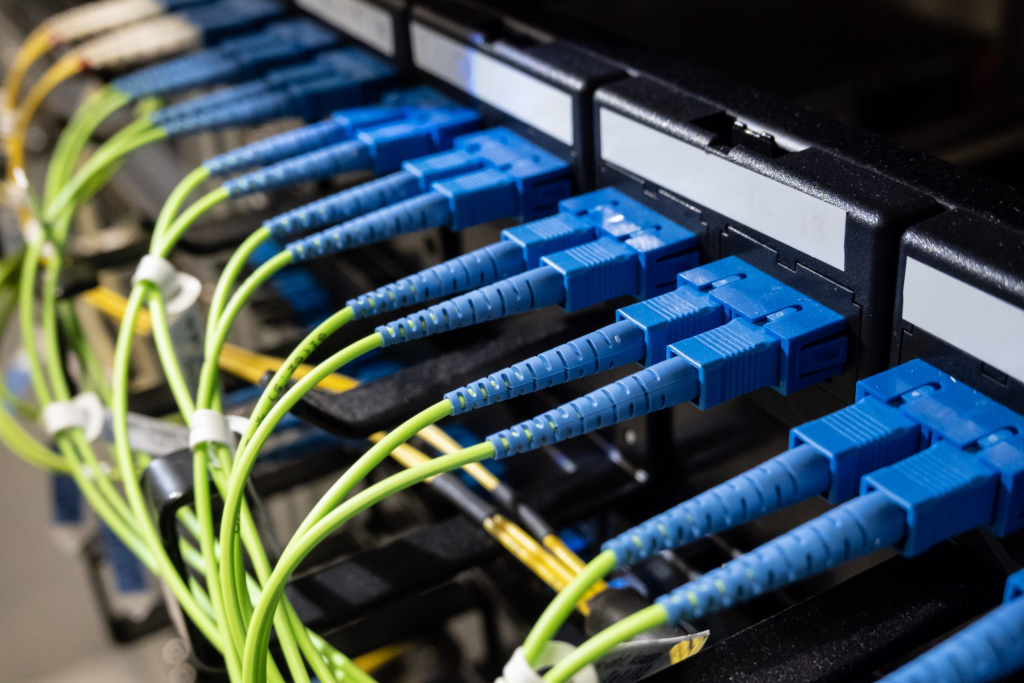
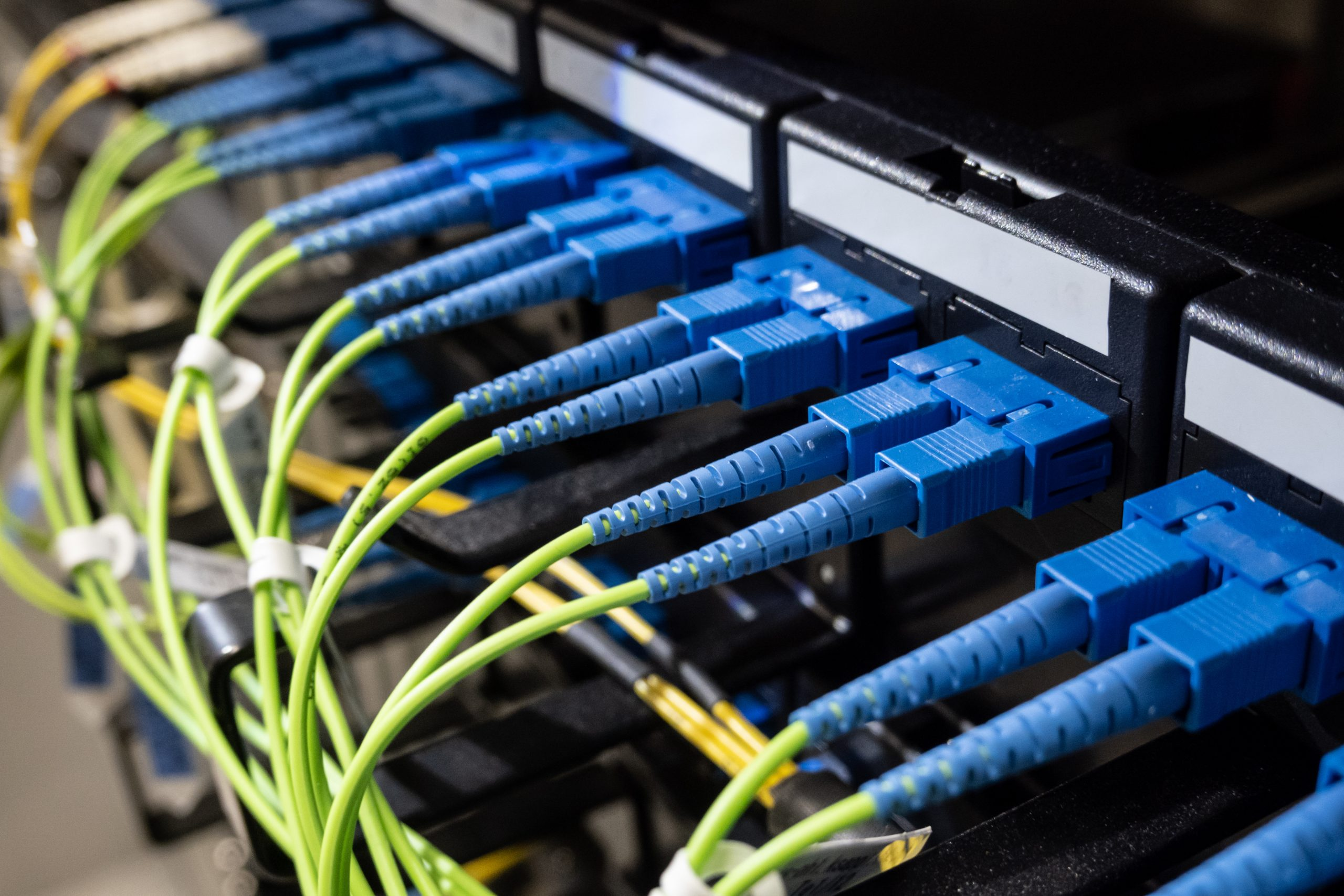
- Cabling and UPS – Ensure you have sufficient wiring, including fibre cables, and backup power sources for reliability.
You may choose to build your network or work with a certified professional for setup and maintenance.
Step 5: Start Operations and Market Your Services
Once your infrastructure is in place, it’s time to begin operations. This includes:
- Hiring Technicians – Skilled staff will be needed for installations and maintenance.
- Offering Different Packages – Create flexible pricing plans based on bandwidth, speed, and customer needs.
- Customer Support – Provide excellent customer service to handle complaints and inquiries.
- Marketing – Use digital marketing, local advertising, and direct sales to attract customers. Building partnerships with businesses and institutions can also help grow your customer base.
Is the ISP Business Profitable in Kenya?
The ISP business in Kenya can be highly profitable due to the growing demand for internet services. Offering reliable connections, excellent customer service, and competitive pricing can help you attract and retain customers. Urban areas, in particular, have a high demand for internet services, making it a lucrative market.
How Much Does It Cost to Start an ISP in Kenya?
The cost of starting an ISP varies based on the scale of operations:
- Small-Scale ISP: KSh 2 million to KSh 5 million – This covers the cost of basic equipment and infrastructure.
- Large-Scale ISP: KSh 10 million to KSh 30 million – For large areas, fibre deployment, and high-end equipment.
These costs are just for the initial setup. Ongoing operational costs include maintenance, employee salaries, marketing, and customer support.
Conclusion
Starting an ISP company in Kenya requires thorough planning, the right infrastructure, and compliance with regulatory standards. By obtaining the necessary licenses, securing a good location, and choosing reliable fibre providers, you can successfully launch your ISP business. Offering quality service, competitive pricing, and excellent customer support will ensure your business stands out in this growing market.
Follow this step-by-step guide, and you will be well on your way to becoming a successful internet service provider in Kenya.