


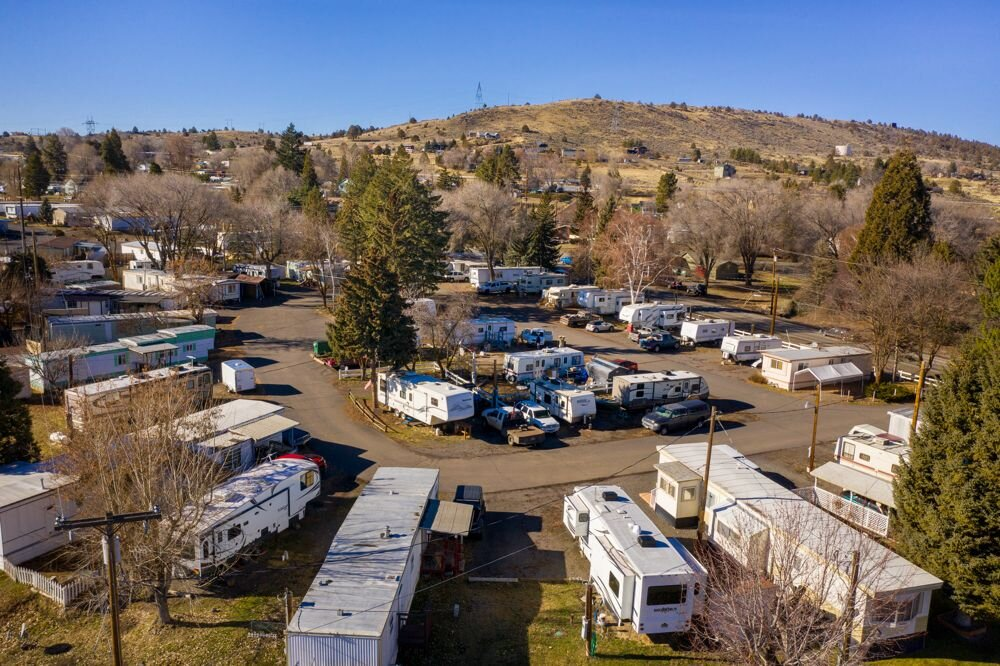
RV parks offer a comfortable location for travelers with recreational vehicles to spend the night. If you’re interested in bringing more tourists to your area and earning money, starting an RV park can be a great business opportunity. Here’s a detailed guide on how to start and manage an RV park effectively.
Part 1: Designing the RV Park
Step 1: Look for a Plot of Land
- Size: At least 3 acres (1.2 ha) is recommended.
- Location: Choose a private, quiet location away from noisy roads or highways. Proximity to attractions like hiking trails, lakes, or beaches can be beneficial.
- Level Ground: Ensure the land is level or can be easily flattened.
Step 2: Divide the Land into Campsites
- Size: Each site should be at least 1,500 sq ft (140 m²). Basic RV campsites are typically 25 feet wide and 27-35 feet long.
- Cost: It usually costs around $15,000–20,000 USD per campsite to build.
Step 3: Install Hookups
- Utilities: Provide water, sewer, and electric hookups for each site.
- Placement: Position hookups on the driver’s side of the RV.
- Electric Requirements: Ensure a 220-240V electrical line is available.
Step 4: Install Concrete or Gravel Pads
- Pads: Ensure pads are at least 10 feet wide and 25-30 feet long to accommodate RVs.
Step 5: Design Roads
- Width: Roads should be 25-30 feet wide.
- Material: Use asphalt, concrete, or packed gravel.
- Traffic Flow: Consider one-way roads to manage traffic efficiently.
Step 6: Provide Sanitary Facilities
- Facilities: Include public bathrooms, showers, and laundry machines.
- Sewer Access: Provide a sewer or septic tank access for wastewater disposal.
Step 7: Build a Clubhouse
- Purpose: Create a social space with tables, books, and possibly a kitchen.
- Location: Place the clubhouse centrally for easy access.
Step 8: Add Amenities
- Options: Pools, fitness centers, playgrounds, or nature trails can make your park more desirable.
- Accessibility: Ensure all sites can easily access these amenities.
Step 9: Preserve Open Space
- Allocation: Save 10% of your land as open green space for parks or recreation areas.
Part 2: Managing Your Park
Step 1: Hire Friendly Staff
- Roles: Employ staff for reservations, check-ins, groundskeeping, and maintenance.
- Customer Service: Ensure staff provide consistent, high-quality service.
Step 2: Adjust Prices Seasonally
- Peak Season: Charge more during busy periods, typically summer.
- Off-Season: Reduce prices during slower months, like winter.
Step 3: Post Clear Rules
- Visibility: Provide rules in brochures at check-in and post signs around the park.
- Enforcement: Ensure staff enforce rules consistently.
Step 4: Open a Market
- Inventory: Stock common necessities like kitchen supplies, emergency kits, and toiletries.
- Souvenirs: Consider selling branded items like T-shirts and bags.
Step 5: Provide Wifi
- Setup: Install a wireless network throughout the park.
- Testing: Ensure the connection is strong and reliable at all campsites.
Step 6: Gather Feedback
- Methods: Use comment cards or online forms to collect guest feedback.
- Action: Address concerns and improve based on feedback.
Part 3: Marketing Your Location
Step 1: Create a Website
- Content: Include rates, amenities, site sizes, maps, pictures, contact information, and reservations.
- Design: Look at other RV park websites for inspiration.
Step 2: Utilize Social Media
- Platforms: Use Facebook, Twitter, and YouTube to promote your park.
- Engagement: Post regularly, interact with followers, and run promotions or contests.
Step 3: Plan Special Events
- Holidays: Organize events for major holidays to attract more guests.
- Weekends: Consider smaller events like movie screenings or picnics.
Step 4: List in Campground Directories
- Information: Submit your park’s details to directories to increase visibility.
- Visitor Centers: Provide brochures to local visitor centers for more exposure.
Step 5: Attend RV Trade Shows
- Networking: Set up a booth at RV trade shows to promote your park and make connections.
- Materials: Bring brochures, contact information, and pictures of your park.
By following these steps, you can create a successful RV park that attracts tourists, provides excellent service, and becomes a profitable business venture.


