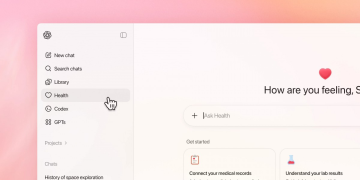
Starting a conversation with ChatGPT is simple, and it opens up a world of possibilities. Whether you’re looking for answers to questions, help with creative tasks, or just someone to chat with, ChatGPT is designed to engage in fluid and meaningful dialogues.
In this guide, we’ll show you how to start a conversation with ChatGPT and provide tips to help you get the most out of your interactions. Let’s get started!
1. Accessing ChatGPT
The first step in starting a conversation with ChatGPT is accessing the platform. You can use ChatGPT on a variety of devices, including desktops, laptops, tablets, and smartphones. Here’s how you can get started:
Via Web Browser
- Go to the official ChatGPT website (usually hosted by OpenAI or a partnered platform).
- Log in or create an account if you don’t have one. Some versions of ChatGPT might require you to subscribe to a service like ChatGPT Plus for full access.
- Once logged in, you’ll be greeted with a user-friendly interface that allows you to start typing directly into the chat box.
Via ChatGPT App
You can also access ChatGPT through an app if available on your platform (e.g., iOS or Android). Just download the app, sign in, and you’ll be ready to begin chatting.
2. Starting the Conversation
Once you’ve accessed ChatGPT, you’re ready to start a conversation. Here’s how to initiate a meaningful interaction:
Step 1: Type Your First Message
ChatGPT doesn’t require any complex setup. To begin, simply type a question or a statement into the chat box.
For example:
- “Hello, ChatGPT!”
- “Can you tell me about the history of AI?”
- “What’s the weather like in Paris?”
- “I need help writing a poem.”
You can start with anything that interests you or what you need assistance with. ChatGPT is designed to respond to a wide range of topics, so don’t worry if you’re unsure where to begin.
Step 2: Be Specific with Your Query
To get the most accurate response, try to be specific about what you want. Instead of just asking “Tell me about history,” you can say something like, “Can you tell me about the history of artificial intelligence from the 1950s to today?” The more detail you provide, the better ChatGPT can tailor its response to your needs.
Step 3: Engage with Follow-Up Questions
After receiving a response, you can continue the conversation by asking follow-up questions. ChatGPT can handle multiple interactions within the same conversation, so feel free to dive deeper into the topic or switch topics entirely.
For example:
- User: “Tell me about AI’s history.”
- ChatGPT: “AI began in the 1950s with pioneers like Alan Turing. One key milestone was the Turing Test, which aimed to measure a machine’s ability to exhibit intelligent behavior…”
- User: “What was Alan Turing’s role in AI?”
3. Tips for Effective Conversations with ChatGPT
Here are some tips to ensure you get the best experience when chatting with ChatGPT:
1. Use Clear and Direct Language
While ChatGPT is good at interpreting language, it’s always helpful to be clear in your questions. Avoid overly complex or vague phrases, and try to keep your query focused.
2. Ask One Question at a Time
For the best responses, try asking one question at a time. This will help ChatGPT provide concise and relevant answers. You can always follow up with additional questions.
3. Explore a Variety of Topics
Don’t hesitate to explore different topics. ChatGPT is equipped to handle a wide variety of conversations, from helping you write essays to answering trivia questions, generating creative content, or even just chatting for fun.
4. Use ChatGPT for Brainstorming
If you need help coming up with ideas, ChatGPT can be a great brainstorming tool. For instance, if you’re struggling to come up with an article topic, you can ask, “Can you suggest some blog post ideas about technology trends in 2025?”
5. Be Patient
If ChatGPT provides an answer that seems unclear or incomplete, give it some time. It may need additional context or clarification. Feel free to follow up with more details.
4. Advanced Features of ChatGPT
As you get comfortable with ChatGPT, you can experiment with more advanced features and tips to enhance your experience.
Use ChatGPT for Complex Tasks
While ChatGPT is excellent for casual conversations, it’s also capable of assisting with complex tasks, such as:
- Writing: Generate essays, stories, blog posts, and even poetry.
- Coding: Ask ChatGPT for coding help or code generation in various programming languages.
- Math: ChatGPT can solve math problems and explain solutions in detail.
- Learning: Use it as a tutor for various subjects like history, science, and language learning.
Set a Tone for the Conversation
If you want ChatGPT to respond in a specific tone or style, you can specify that in your initial request. For example, say, “Can you explain quantum physics like I’m a beginner?” or “Write a professional email for me.”
5. Common Issues When Starting a Conversation with ChatGPT
While starting a conversation with ChatGPT is usually straightforward, there are a few common issues that users encounter:
1. ChatGPT Not Responding
If ChatGPT is not responding, check your internet connection, refresh the page, or restart the app. You can also try re-entering your prompt if the connection was interrupted.
2. Repeated Responses
Sometimes, ChatGPT may repeat a response or give generic answers. In this case, try rephrasing your question or providing more context.
3. Confusing or Irrelevant Answers
If ChatGPT provides an irrelevant answer, don’t hesitate to ask for clarification or provide more specific details. It may also be helpful to break down your query into simpler parts.
Conclusion
Starting a conversation with ChatGPT is simple and intuitive. Whether you’re asking questions, solving problems, or just having a friendly chat, ChatGPT is here to provide useful, engaging, and insightful responses. By following the tips outlined in this article, you can maximize your experience and get the most out of ChatGPT in your everyday tasks.