ChatGPT is an advanced AI-powered language model developed by OpenAI that has revolutionized the way we interact with machines. Leveraging cutting-edge natural language processing (NLP) technology, ChatGPT is capable of understanding and generating human-like text based on the prompts it receives.
In this article, we’ll explore what ChatGPT is, how it works, and the many ways it’s being used across industries. Whether you’re new to AI or looking to understand ChatGPT’s features, this guide will cover everything you need to know.
The Basics of ChatGPT
ChatGPT stands for Chat Generative Pre-trained Transformer. It’s part of a family of AI models built by OpenAI that have been trained on vast amounts of text data from the internet, books, and other sources. These models are capable of generating highly accurate and coherent human-like text responses based on the inputs they receive.
How Does ChatGPT Work?
At its core, ChatGPT uses a type of machine learning called transformers to analyze and generate text. A transformer model works by processing input data (in this case, text) and predicting the next word in a sequence. This process is repeated to generate long-form responses or entire conversations that are contextually relevant and linguistically coherent.
ChatGPT is powered by versions of the GPT (Generative Pre-trained Transformer) models, with the latest versions, GPT-3 and GPT-4, offering vastly improved performance, handling more complex conversations, and providing more accurate answers.
ChatGPT’s Key Features
Here are some key features of ChatGPT that make it so popular and powerful:
1. Natural Language Understanding
ChatGPT is designed to understand context and nuances in language, making it capable of holding fluid conversations. It can answer questions, provide explanations, and even engage in small talk with ease.
2. Text Generation
ChatGPT excels in text generation, enabling it to write essays, articles, summaries, and even creative content such as poetry and stories. Its ability to mimic human writing styles and respond creatively has made it a powerful tool for content creators.
3. Multilingual Capabilities
ChatGPT is trained on text data in multiple languages, which means it can understand and generate text in languages other than English, including Spanish, French, German, Chinese, and more. This broad language support makes it a versatile tool for users around the globe.
4. Knowledge Base
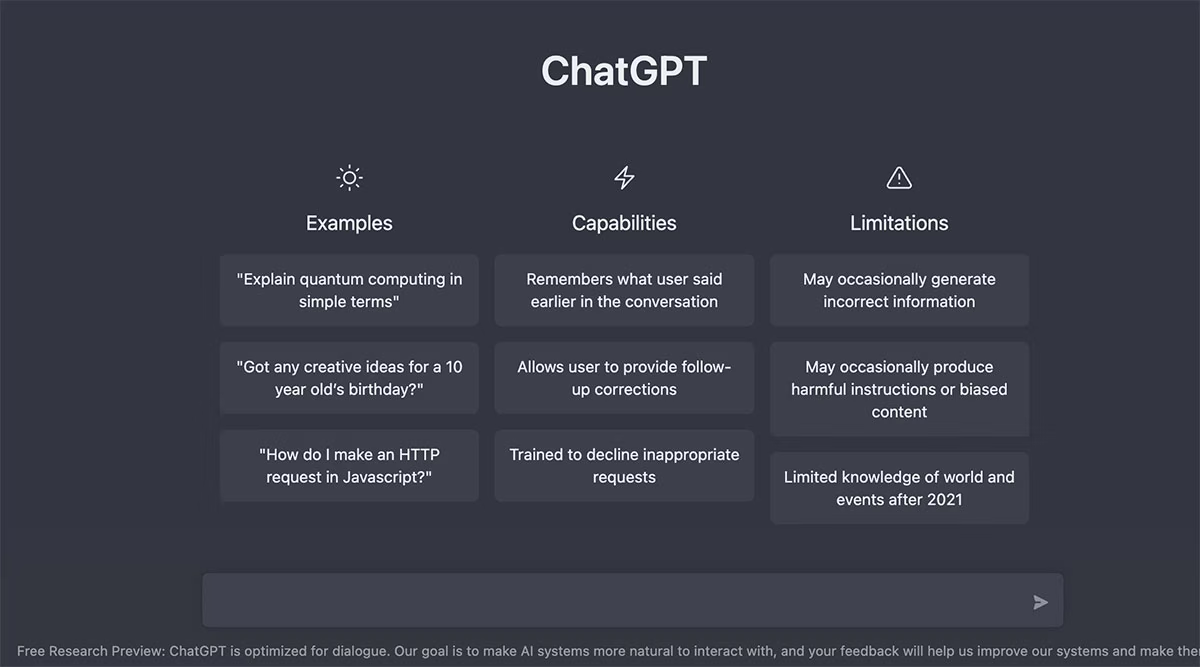
Thanks to the vast amount of data it has been trained on, ChatGPT can offer information on a wide range of topics, from science and technology to history and pop culture. However, it’s important to note that ChatGPT’s knowledge is based on the data available up until 2021 (for GPT-3) or 2023 (for GPT-4), so it may not always be up to date with the latest news or trends.
5. Interactive Capabilities
Unlike basic search engines, ChatGPT allows users to have a dynamic conversation. It can respond to follow-up questions, clarify information, and adapt its tone and style based on the user’s input.
Applications of ChatGPT
The capabilities of ChatGPT extend far beyond casual conversations. Here’s a look at some of its most popular and innovative applications across industries:
1. Customer Support
Many companies are adopting ChatGPT to provide 24/7 customer support on their websites. Its ability to understand queries and provide immediate, relevant answers makes it an ideal solution for handling customer inquiries, troubleshooting, and live chat support.
2. Content Creation
ChatGPT is increasingly being used in content creation for blogs, articles, social media posts, and even scripts for YouTube videos. By providing writers with AI-generated text suggestions, it enhances productivity and creativity.
3. Education
Educators are using ChatGPT to help students with homework, language learning, and research assistance. The AI can provide explanations, solve math problems, and even act as a tutor in various subjects.
4. Virtual Assistants
Integrated into virtual assistants, ChatGPT can perform tasks such as scheduling, reminders, answering questions, and providing recommendations. It’s capable of handling more complex queries compared to traditional voice assistants.
5. Entertainment
In the entertainment sector, ChatGPT is being used to generate creative content, such as scripts, stories, and even interactive fiction. It has also been used to power chatbots for video games, allowing users to interact with in-game characters in real-time.
What is the Difference Between ChatGPT and GPT-3?
While ChatGPT is built on the GPT-3 (and later versions like GPT-4) models, it’s important to understand the key differences between these models:
- GPT-3: GPT-3 is one of the largest and most powerful language models ever created, capable of generating human-like text. ChatGPT is a specific application of GPT-3 that focuses on interactive conversations.
- GPT-4: The latest version of the model, GPT-4, is more advanced, offering improved comprehension, more detailed responses, and enhanced accuracy. It is the version currently used in ChatGPT, providing better handling of complex queries.
How ChatGPT is Changing the Future of AI
The emergence of ChatGPT has pushed the boundaries of AI-driven communication. It has become a powerful tool for businesses, educators, content creators, and individuals alike. Here are some ways it’s shaping the future:
- Automation of Tasks: ChatGPT is streamlining repetitive tasks by automating customer service, content creation, and scheduling, freeing up time for more strategic work.
- Improved Human-Machine Interaction: The conversational abilities of ChatGPT are leading to better interactions between humans and machines, making AI more accessible to the general public.
- Innovative Creativity: In fields like entertainment, advertising, and writing, ChatGPT is revolutionizing creative industries by offering new, efficient ways to generate ideas and content.
Limitations of ChatGPT
Despite its impressive capabilities, ChatGPT has some limitations:
- Lack of Real-Time Knowledge: ChatGPT’s knowledge is limited to the data it was trained on, and it cannot access real-time information, making it less reliable for the most current events.
- Creativity vs. Originality: While ChatGPT can generate creative responses, it may not always produce truly original ideas, as it’s based on patterns in existing data.
- Understanding Complex Contexts: In some cases, ChatGPT may struggle with understanding highly complex or ambiguous contexts, leading to less relevant answers.
Conclusion
ChatGPT is a powerful AI language model that has the potential to transform the way we interact with technology. From personal assistants to content creation and customer support, its applications are diverse and continually expanding. While it has limitations, its advanced natural language processing capabilities offer an exciting glimpse into the future of artificial intelligence.
Whether you’re using it for writing, learning, or problem-solving, ChatGPT is a tool that’s making AI more accessible and practical than ever before.