Even the most successful family businesses often end up being sold by their founding families. Decisions to sell stem from generational changes, financial pressures, rising competition, or shifts in consumer habits. Sometimes internal conflicts overshadow the business, raising doubts about long-term survival and legacy.
A sale can offer families financial freedom and new opportunities. It allows members to pursue different careers or personal goals, while ensuring the business continues under capable new ownership. Here are eight notable family business buyouts:
DID Electrical – Ireland
Founded in 1968 by Gerry Houlihan, DID Electrical expanded to 23 stores nationwide, generating $118 million annually. The business faced a pre-tax loss exceeding $800,000 in 2022 due to COVID-19 impacts. In 2023, the Houlihan family sold DID Electrical to Apple reseller Select Technology Group, ending a legacy spanning over 50 years.
Pilot Travel Center – USA
James A. Haslam II founded Pilot in 1958 as a single gas station. The company grew into North America’s largest travel center operator, employing around 30,000 people. The Haslam family sold their stake to Berkshire Hathaway in 2024 for approximately $13 billion. Post-sale, the family invested in sports franchises, including the Cleveland Browns and Milwaukee Bucks.
Akubra – Australia
Established in 1876 by Benjamin Dunkerley, Akubra became famous for its iconic felt hats. The Keir family, who ran the business for over a century, sold it in 2023 to Australian mining magnates Andrew and Nicola Forrest. COVID-19 challenges influenced the sale, but the Forrests pledged to preserve the brand’s quality and Australian manufacturing heritage.
Bucherer – Switzerland
Founded in 1888 by Carl-Friedrich Bucherer, the luxury watch and jewelry retailer expanded globally under three generations of the Bucherer family. In 2023, the family sold the business to Rolex, creating a direct-to-consumer channel and shifting the brand’s strategic distribution approach.
Subway – USA
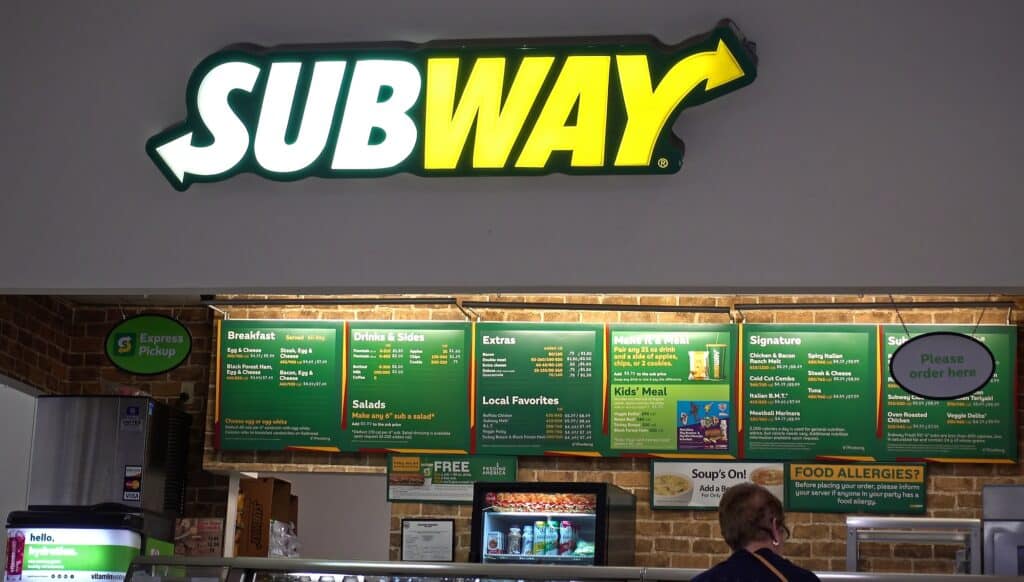
Fred DeLuca and Peter Buck opened Subway in 1965. The company grew into a global fast-food giant with nearly 37,000 outlets across more than 100 countries. Following the deaths of the founders, Subway was sold to private equity firm Roark Capital in 2023 for nearly $9 billion. Both families remain known for significant philanthropic contributions.
Express & Star – United Kingdom
The Graham family ran the Express & Star and Shropshire Star newspapers for generations, growing them into major regional publications. In 2023, the family sold the businesses to National World, ending a long publishing legacy while maintaining operations in marketing-adjacent ventures.
Conviron – Canada
Founded in 1964 by Steve Kroft, Conviron specializes in plant growth technology for research, pharmaceuticals, and cannabis industries. After 58 years, the Kroft family sold the company in 2022 to Madison Industries, ensuring its global potential could be fully realized.
Patagonia – USA
Yvon Chouinard transferred Patagonia to a special trust in 2022 to combat climate change. Valued at $3 billion, the company’s profits are now dedicated to environmental protection. Chouinard, an innovative climber and entrepreneur, prioritized the planet over personal wealth, marking an unusual but impactful exit strategy.
Each of these family business buyouts demonstrates how founders balance legacy, financial pressures, and personal goals, often ensuring continuity or creating meaningful societal impact. Selling does not always signify failure but can open doors to new ventures, philanthropy, or strategic reinvention.