


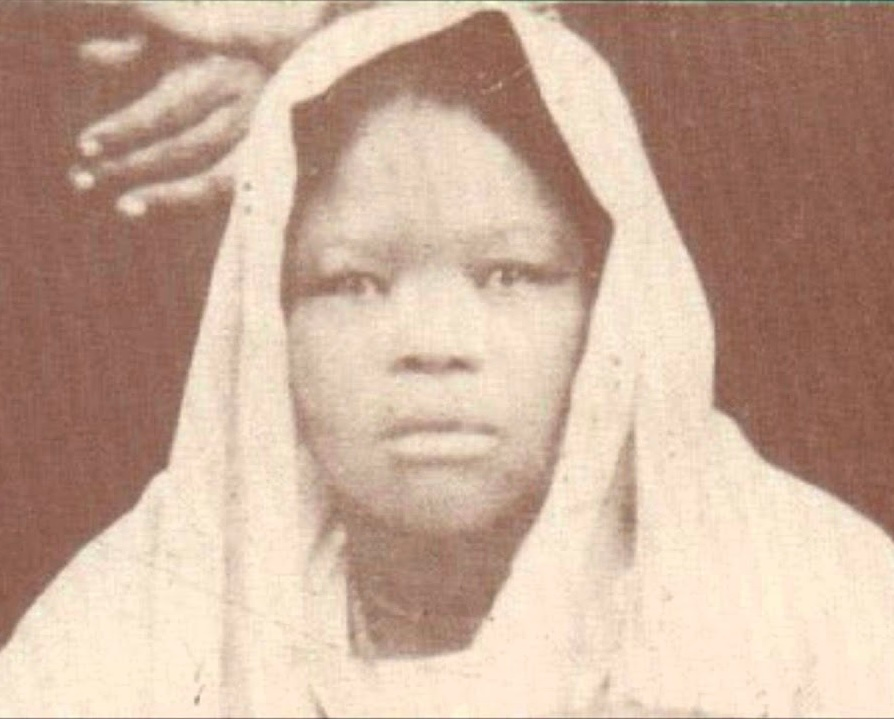
Siti binti Saad remains one of the most influential cultural figures in East African history. More than a singer, she was a trailblazer who transformed taarab music, challenged social injustice, elevated the Swahili language, and became the first East African artist to achieve commercial recording success.
Born into slavery in Zanzibar during the late nineteenth century, she rose from humble beginnings to become one of the most celebrated musicians of her generation. Her songs entertained audiences, but they also addressed inequality, corruption, gender injustice, and the struggles of ordinary people living under colonial rule.
Taarab is a music genre popular in Tanzania and Kenya, and the wider Swahilisphere. It has been influenced by the musical traditions of the African Great Lakes, North Africa, the Middle East, and the Indian subcontinent. Taarab rose to prominence in 1928 with the advent of the genre’s first star, Siti binti Saad.
Today, decades after her death, Siti binti Saad continues to be remembered as a musical pioneer, feminist icon, anti-colonial voice, and cultural ambassador for the Swahili-speaking world.
Who Was Siti binti Saad?
Siti binti Saad was a pioneering Tanzanian musician, cultural icon, and social commentator who revolutionized taarab music in East Africa.
She is widely recognized for:
- Becoming East Africa’s first commercial recording artist
- Popularizing taarab music among ordinary people
- Recording songs in Swahili instead of Arabic
- Advocating for women and marginalized communities
- Using music to criticize social injustice
Her influence extended far beyond music. She helped shape modern Swahili identity and transformed how African artists could use music as a tool for social change.
Quick Facts About Siti binti Saad
| Item | Details |
|---|---|
| Full Name | Mtumwa Siti Binti Saad |
| Born | Circa 1880 |
| Birthplace | Fumba, Zanzibar |
| Died | August 1950 |
| Nationality | Tanzanian (Zanzibari) |
| Music Genre | Taarab |
| Occupation | Musician, Activist |
| Known For | First East African recording artist |
| Record Label | Columbia Records and other international labels |
| Legacy | Swahili cultural icon and women’s rights pioneer |
Early Life and Background
Born Into Slavery
Siti binti Saad’s story began in the village of Fumba in Zanzibar around 1880.
She was born into a family of enslaved people. Her birth name, “Mtumwa,” literally meant “slave” or “servant,” reflecting the harsh realities of Zanzibar’s social structure at the time.
Her father was of Nyamwezi origin from Tabora, while her mother had Zigua roots from the Tanga region. Both parents came from families that had lived under slavery.
At the time of her birth, Zanzibar’s economy heavily depended on clove plantations worked by enslaved laborers.
Life in Colonial Zanzibar
To understand Siti’s rise, it is important to understand Zanzibar during the late nineteenth century.
The islands were:
- A major center of the Indian Ocean slave trade
- Governed by the Sultanate of Zanzibar
- Influenced by Arab, African, Indian, and European cultures
- Experiencing significant social change following abolition reforms
When slavery was formally abolished in 1897, thousands of former slaves sought new opportunities. This social transformation would shape Siti’s future.
Moving to Zanzibar Town
In 1911, Siti relocated from rural Zanzibar to Zanzibar Town.
Like many former plantation workers, she sought:
- Better employment opportunities
- Greater independence
- Social mobility
- Freedom from traditional restrictions
She settled in Ng’ambo, a densely populated African neighborhood separated from the wealthy Stone Town district.
Ng’ambo became an important center of African urban culture, and it was here that Siti’s musical talent began attracting attention.
Understanding Taarab Music
What Is Taarab?
Taarab is one of East Africa’s most important musical traditions.
The genre emerged from a blend of:
- Arab musical traditions
- Swahili poetry
- Indian melodies
- African rhythms
Historically, taarab was associated with wealthy families and elite social gatherings in Zanzibar.
Songs were often performed in Arabic and enjoyed mainly by aristocratic audiences.
How Siti Changed Taarab
Before Siti binti Saad, taarab was largely inaccessible to ordinary people.
She transformed the genre by:
- Singing in Swahili
- Addressing everyday social issues
- Performing for wider audiences
- Making the music relatable to common citizens
These changes helped democratize taarab music and expanded its popularity across East Africa.
Musical Training and Breakthrough
Despite receiving little formal education, Siti possessed extraordinary musical talent.
Her breakthrough came after meeting Ali Muhsin, a member of the famous taarab ensemble Nadi Ikhwani Safa.
Joining a Male-Dominated Industry
At the time, women were generally excluded from formal musical groups.
However, Muhsin recognized her talent and helped train her in:
- Singing techniques
- Arabic language basics
- Musical performance
- Taarab traditions
She eventually became one of the first women to gain prominence in a musical world dominated by men.
Rise to Fame
During World War I and the years that followed, Siti’s popularity grew rapidly.
She became known for songs that reflected:
- Community struggles
- Love and relationships
- Economic hardship
- Social injustice
Her performances became highly sought after among both ordinary citizens and elite families.
Eventually, even members of Zanzibar’s ruling classes invited her to perform at weddings and celebrations.
Her success demonstrated that talent could sometimes transcend rigid social divisions.
Becoming East Africa’s First Recording Star
Journey to Bombay
One of the most significant moments in African music history occurred in 1928.
Siti was selected to travel to Bombay (now Mumbai), India, to record music for the Gramophone Company.
This achievement made her:
- The first East African artist to make commercial recordings
- One of Africa’s earliest recording stars
- A pioneer of the continent’s music industry
The decision was revolutionary because record companies had previously focused almost exclusively on European, Middle Eastern, and Asian music.
Recording Success
The recordings proved immensely successful.
Her records sold thousands of copies throughout East Africa and beyond.
Record companies quickly realized that African-language music could be commercially successful.
This opened the door for future generations of African recording artists.
Why Singing in Swahili Was Revolutionary
One of Siti’s greatest contributions was her decision to sing primarily in Swahili.
Elevating the Swahili Language
At the time:
- Arabic dominated elite taarab performances.
- Colonial administrators often viewed African languages as inferior.
- Many African languages lacked commercial representation.
By recording in Swahili, Siti helped:
- Elevate the language’s status.
- Expand its cultural influence.
- Promote Swahili identity throughout East Africa.
Her recordings contributed to the spread of standardized Swahili across Tanzania, Kenya, Uganda, Congo, and other regions.
Siti binti Saad as a Social Activist
Unlike many performers of her era, Siti did not avoid controversial topics.
Her music frequently addressed:
- Corruption
- Abuse of power
- Gender inequality
- Colonial injustices
- Class divisions
This made her more than a singer.
She became a voice for communities that often lacked political representation.
Fighting Injustice Through Music
Criticism of Colonial Courts
Many of Siti’s songs criticized unfair treatment within colonial legal systems.
Residents of Ng’ambo often viewed courts as institutions that favored wealthy landowners and elites.
Her lyrics gave voice to frustrations that many ordinary people experienced but could not openly express.
Exposing Corruption
Several songs targeted influential individuals accused of exploiting the poor.
These musical critiques made her enormously popular among working-class audiences.
At a time when criticizing powerful figures could be dangerous, music provided a unique platform for social commentary.
Feminism and Women’s Rights
A Pioneer for Women
Long before modern feminist movements gained prominence in East Africa, Siti was using music to highlight issues affecting women.
Her songs addressed:
- Domestic abuse
- Sexual violence
- Gender discrimination
- Unequal treatment in courts
She challenged societal norms and encouraged discussions about women’s rights.
Opening Doors for Female Artists
Before Siti, taarab groups were overwhelmingly male.
Her success inspired future generations of female performers.
After her death, more women entered taarab music, permanently changing the genre’s gender dynamics.
Cultural Influence Across East Africa
Spreading Zanzibar’s Influence
Siti’s recordings helped spread Zanzibari culture throughout East Africa.
Her music reached listeners in:
- Tanganyika
- Kenya
- Uganda
- Somalia
- Congo
- Southern Arabia
This expanded Zanzibar’s reputation as a cultural center of the Swahili world.
Shaping Swahili Identity
For many listeners, Siti represented:
- African excellence
- Cultural pride
- Linguistic achievement
- Social resilience
Her recordings became symbols of Swahili identity during a period of rapid social change.
Final Years
Siti continued performing well into old age.
Despite declining health, she remained an influential figure in Zanzibar’s cultural scene.
Shortly before her death, renowned Swahili writer Shaaban Robert interviewed her and documented her life story.
The resulting biography remains one of the most important works in Swahili literature.
Death
Siti binti Saad died in August 1950.
Her death marked the end of an extraordinary career that had transformed East African music.
Yet her influence did not disappear.
Instead, it continued growing through future generations of musicians, writers, and activists.
Legacy of Siti binti Saad
Musical Legacy
Her influence can still be heard in modern taarab music.
Artists across East Africa continue drawing inspiration from her:
- Storytelling style
- Social commentary
- Swahili lyrics
- Performance techniques
Cultural Legacy
She helped establish Swahili as a respected cultural language throughout East Africa.
Social Legacy
Her songs remain examples of how music can challenge injustice and inspire social change.
Historical Legacy
She transformed from a former slave into one of East Africa’s most celebrated cultural figures.
Few artists have left such a profound impact on music, language, culture, and social consciousness simultaneously.
Places Where Visitors Can Experience Her Legacy
Travelers interested in Siti’s history can explore:
Fumba, Zanzibar
Her birthplace and an important site in her personal history.
Stone Town
A UNESCO World Heritage Site where taarab music remains an important cultural tradition.
Zanzibar Taarab Festivals
Several cultural events celebrate the island’s musical heritage and honor pioneers like Siti.
House of Wonders Museum Area
Provides historical context about Zanzibar’s social and cultural development.
Key Takeaways
- Siti binti Saad was born into slavery around 1880 in Zanzibar.
- She became East Africa’s first commercial recording artist.
- She revolutionized taarab music by singing in Swahili.
- Her songs addressed social justice, corruption, and women’s rights.
- She helped elevate the status of the Swahili language.
- Her recordings transformed East Africa’s music industry.
- She remains one of Tanzania’s greatest cultural icons.
Frequently Asked Questions
Who was Siti binti Saad?
Siti binti Saad was a Tanzanian taarab musician, activist, and cultural icon who became East Africa’s first commercial recording artist.
Why is Siti binti Saad famous?
She pioneered commercial music recording in East Africa, popularized Swahili-language taarab music, and used songs to address social issues.
Where was Siti binti Saad born?
She was born in Fumba, Zanzibar, around 1880.
What type of music did she perform?
She specialized in taarab music, a genre blending African, Arab, and Indian influences.
How did she contribute to women’s rights?
Her songs addressed domestic abuse, inequality, and discrimination while her success inspired future generations of female performers.
When did Siti binti Saad die?
She died in August 1950 after a long and influential musical career.
Conclusion
Siti binti Saad’s journey from slavery in rural Zanzibar to international musical recognition remains one of the most remarkable stories in African cultural history. She transformed taarab music, championed the Swahili language, challenged injustice, and opened doors for women in the arts. More than seventy years after her death, her recordings, ideas, and legacy continue to shape East African music and identity. Few artists have influenced an entire region’s culture as profoundly as Siti binti Saad, making her not only a musical pioneer but also one of the most important cultural figures in Tanzanian history.
Read Also: Fundi Konde Biography


