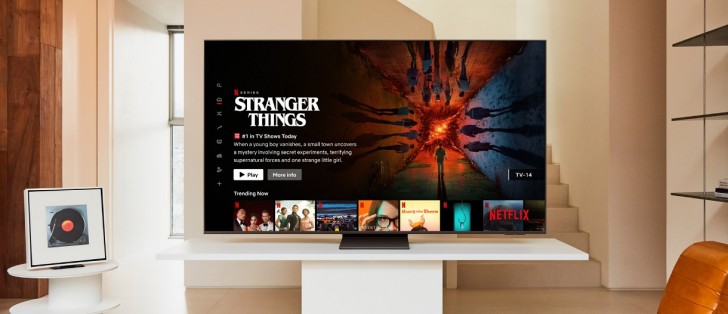
Samsung has officially announced HDR10+ support for Netflix on its 2025 Neo QLED, OLED, and Lifestyle TV models, along with select 2024 and 2025 monitors. The feature is also expected on all upcoming Samsung TVs, further expanding support for the royalty-free dynamic HDR standard.
What is HDR10+?
HDR10+ is an enhanced version of the base HDR10 format. Unlike HDR10, which applies static metadata across an entire movie or show, HDR10+ can adjust brightness, contrast, and color scene-by-scene or frame-by-frame—similar to Dolby Vision. This results in richer visuals, especially in dark or high-contrast scenes.
Netflix recently broke down the differences between HDR10 and HDR10+ on its TechBlog, highlighting dramatic improvements in visual quality for compatible content when streamed using AV1 encoding.
Netflix Premium Plan Required
As with Dolby Vision, HDR10+ content on Netflix is only available to Premium plan subscribers—the tier that allows for 4K UHD streaming. Netflix has now enabled HDR10+ support for all eligible devices using the AV1 codec, including Samsung’s supported displays.
Growing Support Beyond Streaming
While Dolby Vision has a strong foothold across devices and platforms, HDR10+ has steadily expanded its reach. Developed by Samsung and Amazon Video, it is already supported on:
- Amazon Prime Video
- YouTube
- Google TV
- UHD Blu-ray discs
- Samsung smartphones for video recording
Now, with Netflix reporting that 50% of eligible HDR viewing hours use HDR10+, the format is set for broader adoption. Netflix aims to make all HDR content available in HDR10+ by the end of 2025.
Final Notes
Although Netflix continues to accept Dolby Vision masters from studios, it converts them to HDR10+ for compatible devices. Your device’s capabilities determine which HDR format you’ll see.
For Samsung users, this marks a major upgrade in the streaming experience—particularly for those with new 2025 displays and a taste for high-fidelity visuals.