Samsung has reportedly decided not to use BOE OLED panels for the upcoming Galaxy S27, marking a major shift from earlier reports that suggested the company was seriously considering the Chinese supplier for its next flagship phone.
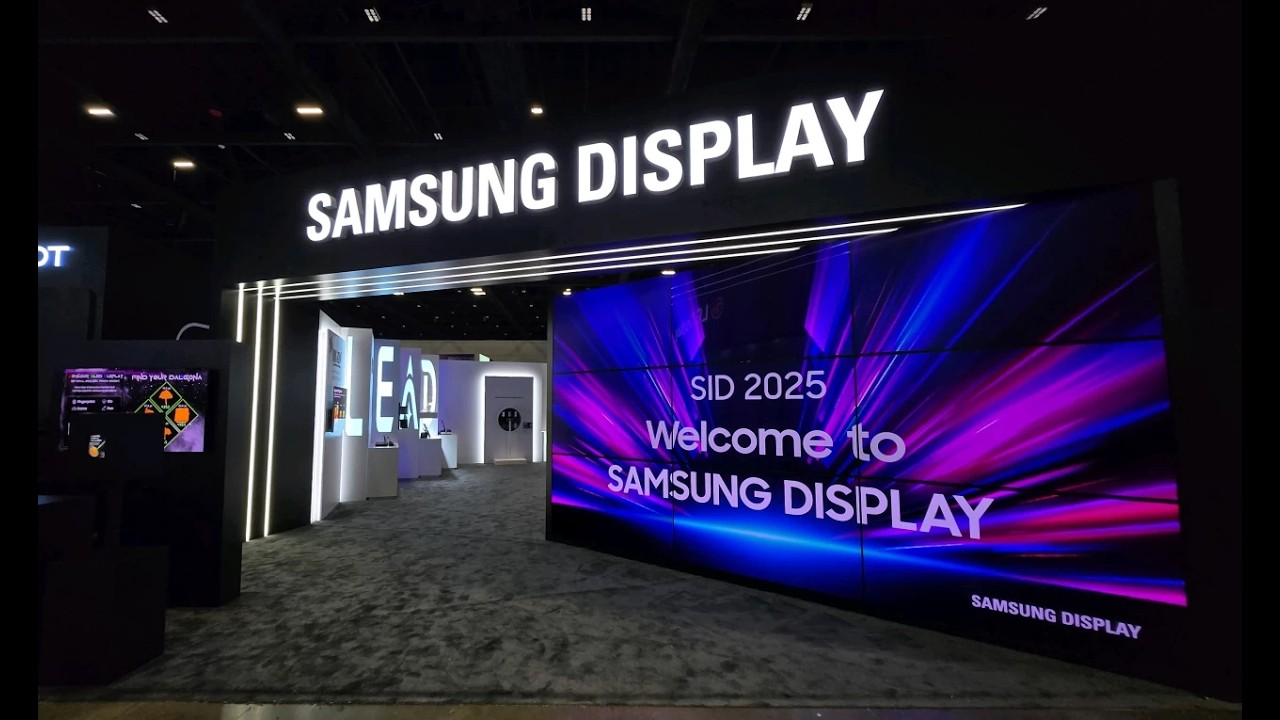
According to new reporting from Korea, Samsung Electronics has ultimately chosen Samsung Display to supply OLED panels for the Galaxy S27. The decision reportedly ends negotiations that could have brought BOE into Samsung’s premium Galaxy S supply chain for the first time.
The earlier rumour was significant because BOE’s panels were said to be cheaper than those from Samsung Display. Reports suggested Samsung could save around $5 per panel by using BOE for the base Galaxy S27. That may sound small, but at flagship smartphone scale, even a few dollars per unit can matter.
However, display sourcing is not only about cost. For Samsung, the screen is one of the most important parts of the Galaxy S identity. Samsung’s flagship phones have long been associated with premium AMOLED displays, high refresh rates, strong brightness and deep integration with Samsung Display technology. Moving the base Galaxy S27 to BOE would have carried symbolic weight, especially because Samsung Display is part of the same wider Samsung group.
Now, the reported decision to stay with Samsung Display suggests that quality control, brand positioning, internal politics and supply-chain strategy may have outweighed the short-term cost savings.
Why the BOE Deal Would Have Been a Big Shift
Samsung already uses displays from different suppliers across some lower-cost devices, but the Galaxy S series is different.
The Galaxy S line is Samsung’s mainstream flagship family. These phones compete directly with Apple’s iPhone, Google’s Pixel Pro models, Xiaomi’s Ultra phones, Vivo’s camera flagships and other premium Android devices. In this segment, display quality is a core selling point.
If BOE had entered the Galaxy S27 supply chain, it would have been more than a supplier change. It would have signalled that Samsung Electronics was willing to use a major Chinese display maker for one of its most important premium phones.
That would have been a major symbolic win for BOE.
BOE has grown rapidly in OLED technology and has been trying to challenge Samsung Display in high-end mobile panels. Supplying a Galaxy S flagship would have given BOE credibility and visibility in one of the world’s most prestigious Android phone lineups.
For Samsung Display, that would not have been a comfortable development. Losing part of the flagship Galaxy S supply to an outside rival, especially a Chinese rival, would have raised questions about cost competitiveness and internal alignment within Samsung.
That is why the reported reversal matters.
Why Samsung May Have Changed Course
The exact reason Samsung reportedly rejected BOE panels has not been officially confirmed. However, several possible factors stand out.
The first is internal resistance. Reports suggest that not everyone inside Samsung Electronics supported the move to BOE. That is understandable. Flagship display supply is sensitive, and a supplier change can affect product quality, marketing confidence and internal business relationships.
The second is Samsung Display’s strategic importance. Samsung Display is not just another supplier. It is part of the broader Samsung ecosystem and has been central to the Galaxy brand’s display reputation. Keeping flagship panels in-house protects that relationship.
The third is quality perception. Even if BOE can supply strong OLED panels, some consumers may assume that a Galaxy S phone with Samsung Display technology is more premium. Whether that perception is always technically fair is a separate question. In the flagship market, perception matters.
The fourth is risk management. Introducing a new supplier into a flagship product can create uncertainty around yield, calibration, durability, brightness, colour consistency and production timing. Samsung may have decided that the savings were not worth the risk.
The fifth is brand protection. The Galaxy S series is one of Samsung’s most important global products. Any display controversy, even a small one, could become costly if it affects reviews, customer trust or launch momentum.
The Cost Question: Why $5 Per Panel Matters
The earlier reports claimed BOE could supply OLED panels around $5 cheaper per unit than Samsung Display.
On one phone, that difference is small. Across millions of units, it becomes meaningful.
If Samsung sells tens of millions of Galaxy S27-series devices, a lower panel cost could help offset rising prices in other parts of the supply chain. Memory, storage, processors, camera sensors and advanced components have all become more expensive across the smartphone industry. Manufacturers are under pressure to control costs without raising retail prices too aggressively.
A cheaper display supplier could have helped Samsung protect margins or avoid a price increase on the base Galaxy S27.
Now, if Samsung sticks with Samsung Display, it may have less room to absorb other component cost increases. That is why some analysts and tech watchers believe the Galaxy S27 could face pricing pressure.
Still, a $5 component saving is not always worth the strategic trade-off. In a flagship phone, the display is not a minor part. It affects the entire user experience. It also affects reviews, marketing, brand trust and customer satisfaction.
Samsung may have decided that saving money on the screen was the wrong place to compromise.
Why Display Quality Is So Important for the Galaxy S Series
Samsung’s Galaxy S phones have built a strong reputation around displays.
For years, Samsung flagships have been known for bright AMOLED panels, high contrast, smooth refresh rates, vivid colours and premium viewing quality. The display is one of the first things users notice when they pick up a Galaxy S phone.
That matters because smartphones are screen-first devices. Users interact with the display every time they unlock the phone, scroll through apps, watch videos, play games, take photos, read messages or use navigation.
A display downgrade, or even the perception of one, could damage the Galaxy S27’s appeal.
This is especially true for the base model. In recent years, base flagships have sometimes been criticised for receiving fewer premium features than Ultra models. If the base Galaxy S27 had used BOE panels while higher models used Samsung Display, some buyers might have seen it as a two-tier quality strategy.
Samsung likely wants to avoid that narrative.
By sticking with Samsung Display, the company can present the Galaxy S27 lineup as more consistent and premium.
BOE’s Growing Ambition in OLED
BOE’s reported failure to secure the Galaxy S27 deal does not mean the company is weak.
BOE has become one of China’s most important display manufacturers and has expanded aggressively into OLED panels for smartphones, tablets and other devices. It has supplied panels to major phone brands and has pushed hard to compete with Samsung Display and LG Display in premium mobile screens.
The company’s advantage is often cost competitiveness. Chinese display makers have benefited from scale, state-backed industrial strategy and rapid manufacturing development.
For smartphone brands, using BOE panels can reduce costs and diversify supply chains. That is attractive in a market where margins are tight and component prices fluctuate.
However, winning flagship-tier supply from companies like Samsung or Apple is difficult. Premium devices require extremely high quality control, consistency, supply reliability and trust. A supplier must not only produce a good panel but also meet strict standards at massive scale.
The Galaxy S27 report shows how hard it is for BOE to break into the very top layer of premium smartphone supply, especially when internal strategic relationships are involved.
Samsung Display Protects Its Flagship Position
Samsung Display appears to have protected one of its most important internal customers.
Supplying Galaxy S panels gives Samsung Display more than revenue. It gives the company visibility, influence and proof of leadership. When Samsung’s own flagship phones use Samsung Display panels, the wider market sees that technology as trusted at the highest level.
If Samsung Electronics had moved the base Galaxy S27 to BOE, Samsung Display would have faced an awkward message: Samsung’s own mobile division was willing to look outside the group for flagship screens because of cost.
That would not have been good optics.
Keeping the Galaxy S27 with Samsung Display preserves the internal premium ecosystem. Samsung Electronics gets a known supplier. Samsung Display keeps flagship prestige. Consumers see continuity in the Galaxy S display story.
This does not mean Samsung will never use BOE in more premium devices. But for now, the Galaxy S line appears to remain protected territory for Samsung Display.
Could This Lead to a Galaxy S27 Price Increase?
The report raises an important question: will the Galaxy S27 become more expensive?
That is possible, but not guaranteed.
If Samsung had planned to use cheaper BOE panels to offset higher component costs, abandoning that plan could make pricing more difficult. Memory and storage costs have been rising across the industry, and flagship phones require increasingly expensive components.
Samsung has several options.
It could absorb the cost and protect retail pricing.
It could raise prices slightly.
It could adjust storage configurations.
It could change regional pricing.
It could use promotions, trade-in offers and carrier deals to soften the impact.
It could reserve stronger discounts for later in the sales cycle.
For consumers, the important point is that display sourcing is only one part of the pricing equation. The chipset, memory, camera hardware, battery, frame materials, software development, logistics, tariffs and marketing all affect final price.
Still, losing a potential display cost saving makes price discipline harder.
Why Samsung May Accept Higher Costs
Samsung may accept higher display costs because the Galaxy S27 has to compete at the premium level.
Flagship buyers are not only looking for the cheapest device. They expect a polished experience. A poor display decision could hurt reviews and long-term reputation more than it saves in manufacturing.
Samsung also uses the Galaxy S series as a showcase for its ecosystem. These phones promote Galaxy AI, One UI, Samsung cameras, Samsung displays, wearables, tablets and services. The flagship phone must feel premium from every angle.
In that context, the display is not the place Samsung wants doubts.
A few dollars saved per panel may not justify months of customer debate about whether one model has a cheaper or inferior screen. Tech buyers notice these details. Reviewers test them. Social media amplifies them.
Samsung may have decided that maintaining confidence was worth more than lowering the bill of materials.
How This Affects the Base Galaxy S27
The base Galaxy S27 is the model most directly affected by the BOE report.
Earlier rumours suggested BOE would supply panels for the standard model, not necessarily the Plus, Pro or Ultra versions. That would have created a distinction between the base Galaxy S27 and higher-end models.
If Samsung Display now supplies the base model as well, the standard S27 may benefit from stronger display consistency across the lineup.
That would be good news for buyers who prefer smaller or more affordable flagship phones. The base model is often the most practical option for users who want premium performance without the size or price of an Ultra.
A Samsung Display panel would help preserve the base S27’s premium identity. It would also reduce concerns that the standard model is being treated as a cost-cut version of the lineup.
However, this could also mean the base model is less likely to receive a major price advantage.
What About the Galaxy S27 Ultra?
The Galaxy S27 Ultra was never the main focus of the BOE rumour.
Samsung’s Ultra models are usually the company’s top showcase devices. They typically receive the best display, strongest cameras, largest battery, most premium build and advanced productivity features. It would have been surprising if Samsung had used BOE panels for the Ultra model first.
The new report mainly reinforces expectations that Samsung Display will remain central to the entire Galaxy S27 family.
For the Ultra, the bigger questions will likely involve camera upgrades, chipset choice, battery improvements, display brightness, Galaxy AI features and whether Samsung makes any changes to the S Pen or design.
The BOE decision may not directly change the Ultra story, but it strengthens the idea that Samsung wants its next flagship generation to maintain premium display consistency.
A Supply Chain Decision With Brand Implications
This story matters because smartphone supply chains are not only technical. They are political, strategic and symbolic.
Samsung Electronics must manage cost, performance and supply reliability. Samsung Display must defend its premium OLED position. BOE wants to expand into top-tier devices. Consumers want the best display possible. Investors want margins protected.
A decision about one phone’s screen can affect all of those interests.
If Samsung had used BOE panels, it would have sent a message that cost pressure was strong enough to challenge internal supplier loyalty. By reportedly rejecting BOE, Samsung sends the opposite message: flagship Galaxy screens remain tied to Samsung Display.
That message may reassure fans, but it may also raise questions about cost control.
This is the tension at the heart of premium smartphones. Buyers want better components every year, but they do not want prices to rise. Manufacturers want to protect margins, but they cannot afford visible compromises in flagship products.
Could Samsung Use BOE Panels in Future Galaxy S Models?
Yes, it remains possible.
This reported decision does not mean Samsung will never use BOE panels in a Galaxy S phone. Supplier strategies change constantly. BOE may improve quality, lower costs further or win future contracts. Samsung may also use BOE in specific markets, batches or lower-tier models if conditions make sense.
Samsung already works with multiple suppliers across different product categories. Diversifying supply can reduce risk and improve negotiating power.
However, flagship display sourcing is especially sensitive. For BOE to win a future Galaxy S contract, it may need to prove not only that its panels are cheaper, but that they meet Samsung’s premium quality expectations without creating brand risk.
The Galaxy S27 setback may delay BOE’s ambitions, but it does not end them.
In the long run, Samsung may still want outside suppliers to pressure Samsung Display on pricing. The question is whether that pressure will ever reach the Galaxy S flagship line.
What Buyers Should Take From This Report
For buyers, the report is mostly good news from a quality-confidence perspective.
Many Samsung fans were worried that a BOE panel in the base Galaxy S27 could mean a lower-quality display than previous Galaxy S models. Whether that concern was fully justified or not, it was likely to become a talking point.
If Samsung Display supplies the panels, buyers can expect continuity with Samsung’s established flagship display strategy.
The possible downside is price. If Samsung loses a cost-saving option, the Galaxy S27 may be more vulnerable to price increases, especially if memory and storage costs rise further.
Buyers should also remember that this is still an early report. The Galaxy S27 has not launched, and Samsung has not confirmed suppliers, specifications or pricing.
Still, display supply reports often give an early clue about a phone’s positioning. In this case, the clue points toward Samsung protecting flagship screen quality over chasing the lowest possible panel cost.
Why the Display Debate Became So Emotional
The reaction to the BOE rumour shows how strongly people associate Samsung with display excellence.
For many users, Samsung Galaxy S phones are expected to have among the best screens in the industry. That expectation comes from years of AMOLED leadership, strong reviews and Samsung Display’s reputation.
When reports suggested the Galaxy S27 might use BOE panels, some fans interpreted it as a downgrade even before seeing the actual product. That reaction may not be entirely fair to BOE, but it shows how powerful brand perception can be.
In premium electronics, supplier names matter. Apple’s display suppliers, Samsung’s camera sensors, Qualcomm’s processors and Sony’s image sensors all carry symbolic meaning. Consumers may not understand every technical detail, but they respond to trusted names.
Samsung likely understands this. A flagship phone must avoid unnecessary doubts. A display supplier controversy before launch could distract from the phone’s real upgrades.
Final Thoughts
Samsung’s reported decision to reject BOE OLED panels for the Galaxy S27 is a reminder that flagship phone development is about more than specifications.
Earlier reports suggested Samsung was considering BOE because its panels were cheaper, potentially saving around $5 per unit. That could have helped offset rising component costs. But a new report now claims the deal has collapsed and Samsung Display will supply the Galaxy S27 panels instead.
For Samsung fans, this may be reassuring. It suggests the Galaxy S27 will continue the company’s tradition of using Samsung Display panels for its flagship phones. It also avoids the perception that the base Galaxy S27 could receive a lower-tier display than expected.
For Samsung’s business, the decision may be more complicated. Staying with Samsung Display protects quality and brand positioning, but it may reduce Samsung Electronics’ ability to control costs. If memory, storage and other components become more expensive, a Galaxy S27 price increase could become harder to avoid.
For BOE, the report is a setback. Supplying the Galaxy S27 would have been a major symbolic win. But BOE remains a major display player and may continue pushing for future flagship contracts.
For now, the message is clear: Samsung appears to have chosen display confidence over display savings.
FAQs About Galaxy S27 BOE Panels
Will the Galaxy S27 use BOE OLED panels?
According to the latest Korean report, Samsung has reportedly decided not to use BOE OLED panels for the Galaxy S27. Samsung Display is now expected to supply the OLED panels for the model. Samsung has not officially confirmed supplier details.
Why was Samsung considering BOE panels?
Samsung was reportedly considering BOE panels because they were cheaper than Samsung Display’s panels. Earlier reports claimed BOE could offer OLED panels around $5 cheaper per unit, which could help Samsung reduce manufacturing costs.
Why did Samsung reportedly reject BOE?
The exact reason has not been confirmed. Reports suggest internal opposition inside Samsung and strategic concerns around using BOE for a flagship Galaxy S phone may have influenced the decision. Samsung Display’s role as Samsung’s in-house premium OLED supplier was likely important.
Does this mean Samsung Display will supply all Galaxy S27 models?
The latest reporting suggests Samsung Display will supply the Galaxy S27 OLED panels. It is not yet fully confirmed whether every model in the Galaxy S27 lineup will use Samsung Display panels, but that appears to be the current expectation.
Would BOE panels have been worse?
Not necessarily. BOE is a major OLED manufacturer and supplies panels to several smartphone brands. However, Samsung Display has a strong reputation in premium mobile OLED technology, and many Galaxy fans were concerned that switching suppliers could affect perceived quality.
Could the Galaxy S27 become more expensive?
It is possible. If Samsung expected BOE panels to reduce costs, losing that option could make it harder to offset rising prices for memory, storage and other components. However, final pricing will depend on many factors, not only the display panel.
Why is the display so important for Galaxy S phones?
The display is one of the most important parts of a smartphone. Samsung’s Galaxy S phones are known for premium AMOLED screens, high refresh rates and strong viewing quality. Any perceived display downgrade could affect reviews, marketing and customer confidence.
Has Samsung used BOE panels before?
Samsung has used BOE and other suppliers for some non-flagship or lower-cost devices, but the Galaxy S flagship line has traditionally been associated with Samsung Display panels. That is why the BOE rumour attracted so much attention.
Could Samsung use BOE panels in future Galaxy S phones?
Yes, it remains possible. Supplier decisions can change from year to year. BOE may continue improving its OLED technology and could compete for future Samsung contracts. However, the Galaxy S27 report suggests Samsung is not ready to use BOE for this flagship cycle.
Is the Galaxy S27 display supplier officially confirmed?
No. Samsung has not officially announced Galaxy S27 display suppliers. The current information comes from industry reports and should be treated as unofficial until Samsung confirms the phone and its specifications.
Source (in Korean)
Read Also: Commodore Callback 8020 Goes on Pre-Order at a Lower $399 Starting Price