


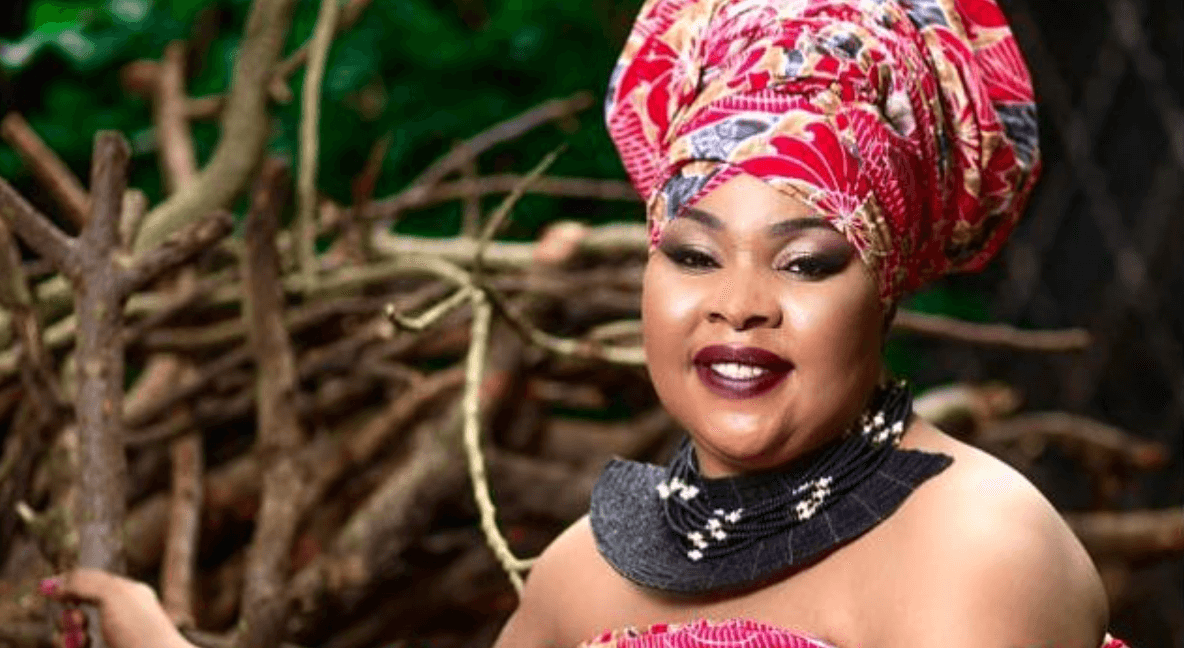
Saida Karoli is one of Tanzania’s most celebrated traditional musicians and among the country’s most recognizable cultural ambassadors. Known for her distinctive voice, powerful storytelling, and ability to blend traditional Haya music with contemporary influences, she has built a career that spans more than two decades and reaches audiences across East and Central Africa.
Through songs such as “Maria Salome,” she transformed regional traditional music into a continental phenomenon. Her success helped introduce Tanzanian cultural sounds to wider audiences and demonstrated that traditional African music could achieve mainstream popularity.
Today, Saida Karoli remains one of the most influential female artists in East African music history.
Who Is Saida Karoli?
Saida Karoli is a Tanzanian singer, songwriter, composer, and performer known for her contribution to traditional music.
Born on April 4, 1976, she became famous for blending:
- Traditional Haya music
- Ngoma rhythms
- Tanzanian folk sounds
- Contemporary East African influences
Unlike many artists who focus exclusively on modern genres, Saida Karoli built her reputation by preserving and promoting indigenous musical traditions.
Her work has earned fans in:
- Tanzania
- Uganda
- Kenya
- Rwanda
- Burundi
- Democratic Republic of Congo
Early Life and Background
Saida Karoli was born in Rwongwe village in Bukoba Rural District, Kagera Region, Tanzania.
Located along the western shores of Lake Victoria, Kagera is home to the Haya people, whose rich cultural traditions would heavily influence her music.
Growing up in a region known for:
- Traditional dance
- Storytelling
- Folk music
- Cultural ceremonies
she developed a strong appreciation for indigenous musical heritage.
These cultural influences later became the foundation of her artistic identity.
Understanding Haya Music
To appreciate Saida Karoli’s success, it is important to understand the significance of Haya music.
What Is Haya Music?
Haya music originates from the Haya community of northwestern Tanzania.
It is characterized by:
- Storytelling lyrics
- Rhythmic drumming
- Community participation
- Dance-centered performances
Traditional Haya music often addresses:
- Love
- Family
- Community values
- Cultural traditions
- Social issues
Saida Karoli modernized these elements while preserving their authenticity.
Rise to Fame
Saida Karoli’s breakthrough came in the early 2000s.
Chambua Kama Karanga
Her debut album, Chambua Kama Karanga, introduced her to national audiences.
The album’s standout track, “Maria Salome,” quickly became one of the most popular songs in Tanzania.
The Success of Maria Salome
“Maria Salome” achieved remarkable success across East Africa.
The song reached high positions on Tanzanian radio airplay charts and became particularly popular in Uganda.
Its catchy rhythm, memorable chorus, and cultural authenticity made it an instant classic.
The song’s popularity eventually earned Saida Karoli a new nickname in Uganda:
Wanchekecha
The nickname was derived from lyrics within the song and became widely associated with her public image.
Why Maria Salome Became a Cultural Phenomenon
Few songs in East African history have achieved the regional impact of “Maria Salome.”
Several factors contributed to its success:
Universal Themes
The song communicated emotions and experiences that resonated across different cultures.
Dance Appeal
Its rhythm made it a favorite at celebrations, social gatherings, and radio stations.
Cultural Authenticity
Unlike heavily westernized productions, the song proudly embraced East African musical traditions.
Cross-Border Appeal
Its popularity spread naturally through regional radio stations and live performances.
Even years after its release, “Maria Salome” remains one of Tanzania’s most recognizable songs.
Musical Style
Saida Karoli’s music stands out because of its unique blend of traditional and modern elements.
Traditional Ngoma Music
Ngoma drumming forms the backbone of many of her songs.
Storytelling
Her lyrics often communicate life lessons and social observations.
Multilingual Expression
Although she primarily sings in Haya, she also incorporates:
- Swahili
- Occasional English phrases
This approach helps her connect with broader audiences.
Distinctive Vocals
Her mellow vocal style has often been described as hypnotic, emotional, and deeply expressive.
Albums and Major Releases
Chambua Kama Karanga (2001)
The album that introduced Saida Karoli to mainstream audiences.
Mapenzi Kizunguzungu (2003)
Expanded her growing fan base across East Africa.
Harusi (2004)
Received recognition at the Tanzania Music Awards through a nomination for Best Folk Album.
Mimi Nakupenda (2005)
Further established her as a leading female artist in traditional music.
Nelly (2008)
Demonstrated her continued ability to evolve while maintaining cultural authenticity.
Akatambala (2018)
A collaboration featuring Baliruno K. Hanson that introduced her music to newer audiences.
International Recognition
Saida Karoli’s success extends beyond Tanzania.
Royal Performances
She has performed for the Kabaka of Buganda, one of Uganda’s most respected cultural leaders.
Sauti za Busara
She has appeared at the renowned Sauti za Busara Festival in Zanzibar, one of Africa’s most prestigious music festivals.
Regional Touring
Her performances have reached audiences across:
- Uganda
- Kenya
- Rwanda
- Burundi
- Democratic Republic of Congo
These appearances helped establish her as a regional cultural ambassador.
Awards and Nominations
Saida Karoli has received recognition throughout her career.
Tanzania Music Awards
2005
- Best Folk Album nomination for Harusi
2006
- Best Female Vocalist nomination
Kora All Africa Music Awards
She received nominations that highlighted her growing influence beyond Tanzania.
Although awards tell only part of the story, they reflect the respect she earned within the African music industry.
The Salome Story and Diamond Platnumz
One of the most discussed moments in Saida Karoli’s career occurred in 2016.
Diamond Platnumz’s Remake
Diamond Platnumz released a modern adaptation of her famous song “Salome.”
The remake introduced the classic track to a younger generation of listeners.
Royalties and Recognition
Following the remake, Saida Karoli reportedly received royalties from the project.
The event highlighted the importance of intellectual property rights and proper recognition of original artists.
It also demonstrated the enduring relevance of her music.
Hollywood Recognition
Saida Karoli achieved a rare milestone when “Maria Salome” was featured in the Tyler Perry-produced film:
Peeples
The inclusion exposed her music to international audiences and showcased the global potential of East African cultural productions.
Influence on East African Music
Saida Karoli’s contributions go far beyond individual songs.
She helped:
- Preserve Haya cultural traditions
- Popularize traditional Tanzanian music
- Expand opportunities for female artists
- Introduce regional sounds to international audiences
- Demonstrate the commercial value of indigenous music
Many younger artists view her as an inspiration because she remained authentic while achieving mainstream success.
Legacy
Saida Karoli occupies a unique place in Tanzanian music history.
Her legacy includes:
- Cultural preservation
- Traditional music innovation
- Female empowerment
- Regional influence
- Cross-generational appeal
Few artists have successfully bridged the gap between traditional and contemporary African music as effectively as she has.
Key Takeaways
- Saida Karoli was born in Kagera Region, Tanzania.
- She is one of East Africa’s leading traditional music artists.
- Her breakthrough song was “Maria Salome.”
- She sings primarily in Haya and Swahili.
- Her music combines traditional Ngoma rhythms with contemporary influences.
- Diamond Platnumz’s remake of “Salome” renewed interest in her music.
- She has performed throughout East and Central Africa.
- She remains a cultural icon in Tanzanian music.
Frequently Asked Questions
Who is Saida Karoli?
Saida Karoli is a Tanzanian traditional singer, songwriter, and composer known for popularizing Haya music across East Africa.
What is Saida Karoli’s most famous song?
Her most famous song is “Maria Salome,” one of the most successful traditional songs in East African music history.
Where is Saida Karoli from?
She was born in Rwongwe village in Bukoba Rural District, Kagera Region, Tanzania.
What language does Saida Karoli sing in?
She primarily sings in Haya and Swahili, occasionally incorporating English phrases.
Why is Saida Karoli called Wanchekecha?
The nickname originated in Uganda after the success of “Maria Salome” and was inspired by lyrics in the song.
Did Diamond Platnumz remake Saida Karoli’s music?
Yes. He released a modern version of “Salome” in 2016 and reportedly paid royalties to Saida Karoli.
Conclusion
Saida Karoli’s journey from a small village in Kagera Region to becoming one of East Africa’s most celebrated traditional musicians is a remarkable story of talent, cultural pride, and artistic resilience. Through timeless songs such as “Maria Salome,” she demonstrated that traditional African music can achieve regional and international success without losing its authenticity. Her influence continues to inspire musicians, preserve cultural heritage, and remind audiences of the enduring power of indigenous African music.
Read Also: Jux Biography and Music Career Success


