


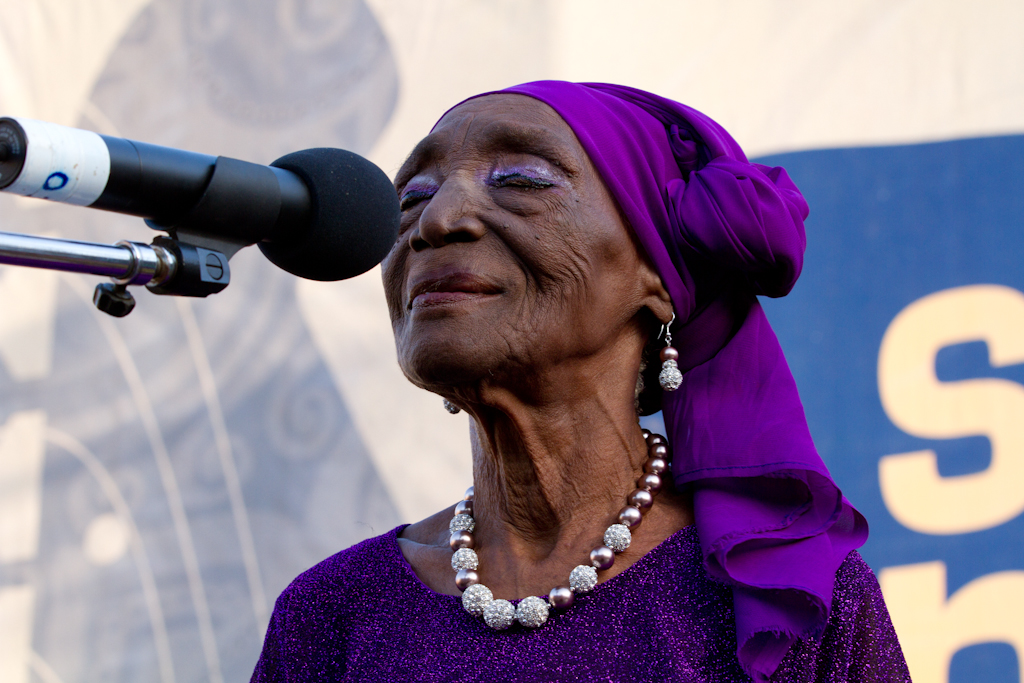
Bi Kidude remains one of the most celebrated cultural figures in East African history. Revered as the “Queen of Taarab” and a guardian of Zanzibar’s musical traditions, she spent more than eight decades entertaining audiences, preserving cultural heritage, and challenging social norms.
Born Fatuma binti Baraka, Bi Kidude became internationally recognized not only for her powerful voice and mastery of taarab music but also for her fearless personality and commitment to cultural expression. Her remarkable life bridged generations, making her one of the most influential figures in African traditional music.
Even after her death in 2013, her legacy continues to inspire musicians, cultural scholars, and audiences around the world.
Who Was Bi Kidude?
Fatuma binti Baraka, popularly known as Bi Kidude, was a legendary Tanzanian singer from Zanzibar.
She was famous for:
- Taarab music
- Unyago ceremonial songs
- Cultural education
- Traditional performance arts
- Women’s empowerment
Many regard her as one of the most important cultural ambassadors Zanzibar has ever produced.
Early Life and Background
Bi Kidude was born around 1910 in Kitumba village on Unguja Island, Zanzibar.
Because birth records were uncommon at the time, her exact birth date remains uncertain. Most sources estimate she was over 100 years old at the time of her death.
She grew up in a modest household where her mother sold coconuts. Her childhood coincided with a period when Zanzibar was an important trading center connecting Africa, the Middle East, India, and Europe.
These cultural influences would later shape her music and worldview.
What Does “Bi Kidude” Mean?
The nickname “Bi Kidude” became more famous than her birth name.
In Swahili:
- “Bi” is a respectful title used for women.
- “Kidude” means “little grandmother.”
The nickname reflected both her small stature and the respect she commanded within society.
Over time, it became one of the most recognizable names in East African music history.
The Origins of Taarab Music
To understand Bi Kidude’s influence, it is important to understand taarab.
What Is Taarab?
Taarab is a musical genre that originated along the East African coast, particularly in Zanzibar.
It combines influences from:
- Swahili culture
- Arabic music
- Indian melodies
- African rhythms
Traditional taarab performances often feature poetic lyrics that discuss:
- Love
- Relationships
- Society
- Politics
- Cultural values
The genre became an important part of Zanzibari identity.
Inspired by a Legend
Bi Kidude was inspired by another iconic musician:
Siti binti Saad
Siti binti Saad was among the first East African musicians to gain international recognition and helped pave the way for women in music.
Bi Kidude built upon this legacy while creating her own distinctive style.
Escaping an Early Marriage
One of the defining moments of Bi Kidude’s life occurred during her teenage years.
Historical accounts suggest she was forced into marriage at a young age.
Rather than accepting a life she did not choose, she reportedly fled to mainland Tanganyika.
This decision reflected the independent spirit that would define her life and career.
Building a Music Career
While living on the mainland, she joined various taarab groups and developed her skills as a performer.
She later returned to Zanzibar during the 1940s and settled in the Shangani area of Stone Town.
There, she immersed herself in the vibrant world of taarab music and gradually became a local celebrity.
Her performances became known for:
- Powerful vocals
- Strong stage presence
- Fearless messaging
- Cultural authenticity
The Role of Unyago
Beyond music, Bi Kidude became an important figure in Unyago traditions.
What Is Unyago?
Unyago refers to traditional initiation ceremonies for girls in parts of East Africa.
These ceremonies teach:
- Social responsibilities
- Cultural values
- Family life
- Community expectations
Bi Kidude played an active role in these ceremonies and became respected as a cultural educator.
Her songs often reflected lessons and themes associated with Unyago traditions.
Breaking Social Barriers
Bi Kidude was known for challenging conservative expectations.
A Fearless Personality
She openly:
- Smoked in public
- Performed freely before mixed audiences
- Rejected restrictive gender norms
These actions were controversial in some circles but earned admiration from many who viewed her as a symbol of personal freedom.
A Cultural Rebel
Her willingness to live independently helped make her an icon of female empowerment long before such conversations became common in East Africa.
National Recognition
For many years, Bi Kidude was primarily known within Zanzibar.
However, her national profile grew significantly during the 1980s after television appearances introduced her to broader audiences.
Suddenly, people across Tanzania began discovering her extraordinary talent and unique personality.
International Success
Bi Kidude eventually became one of Tanzania’s most traveled traditional musicians.
Countries She Performed In
Her performances took her to:
- France
- England
- Norway
- Sweden
- Japan
- Middle Eastern countries
- Southeast Asia
She toured with groups such as:
- Sahib El-Ahri Band
- Twinkling Stars
These tours introduced global audiences to Zanzibar’s musical traditions.
Major Festivals
Bi Kidude became a regular attraction at important cultural events.
Sauti za Busara
Sauti za Busara
One of Africa’s most respected music festivals.
Festival of the Dhow Countries
A celebration of the cultural connections linking East Africa, Arabia, and Asia.
Zanzibar International Events
Her presence often became one of the highlights of major cultural festivals in Zanzibar.
Awards and Recognition
Bi Kidude received numerous honors for her contributions.
WOMEX Award (2005)
One of her most prestigious achievements was receiving the:
WOMEX Award
The award recognized her lifetime contribution to world music and cultural preservation.
Tanzania Medal for Arts and Sports
In 2012, she received one of Tanzania’s highest cultural honors.
The award acknowledged her extraordinary influence on the nation’s artistic heritage.
Tanzania Music Awards
She received recognition through nominations celebrating her continuing relevance even in her later years.
Documentaries and Media Recognition
Bi Kidude’s fascinating life inspired several documentaries.
As Old As My Tongue
Directed by filmmaker Andrew Jones, this documentary explored her life, career, and cultural significance.
I Shot Bi Kidude
Another documentary examining her personality and extraordinary story.
BBC Podcast
In 2023, the BBC released a podcast exploring her life and legacy, introducing her story to a new generation of listeners.
Influence on Modern Tanzanian Music
Bi Kidude’s influence extends far beyond taarab.
Inspiration for Singeli Artists
Modern Singeli musicians have drawn inspiration from:
- Her rhythmic patterns
- Unyago traditions
- Fearless attitude
- Cultural authenticity
Her impact can still be heard in contemporary Tanzanian music.
Preserving Cultural Heritage
She demonstrated that traditional music could remain relevant in a rapidly modernizing world.
Legacy
Bi Kidude’s legacy goes beyond music.
She represents:
- Cultural preservation
- Female empowerment
- Artistic freedom
- Zanzibari identity
- Intergenerational knowledge
Few artists have played such an important role in preserving East Africa’s cultural heritage while simultaneously inspiring global audiences.
Today, she is remembered as one of Africa’s greatest cultural icons.
Key Takeaways
- Bi Kidude’s real name was Fatuma binti Baraka.
- She was born around 1910 in Zanzibar.
- She became known as the Queen of Taarab.
- She played an important role in Unyago traditions.
- She received the prestigious WOMEX Award in 2005.
- She performed internationally across Europe, Asia, and Africa.
- She inspired generations of musicians.
- Her cultural legacy remains strong throughout East Africa.
Frequently Asked Questions
Who was Bi Kidude?
Bi Kidude was a legendary Zanzibari taarab singer and cultural icon known for preserving traditional music and promoting cultural education.
What was Bi Kidude’s real name?
Her real name was Fatuma binti Baraka.
Why was Bi Kidude famous?
She became famous for her mastery of taarab music, her role in Unyago traditions, and her fearless personality.
What is taarab music?
Taarab is a musical genre that blends African, Arabic, and Indian influences and is closely associated with Zanzibar’s cultural heritage.
What award did Bi Kidude win?
She received the prestigious WOMEX Award in 2005 and the Tanzania Medal for Arts and Sports in 2012.
When did Bi Kidude die?
She died on April 17, 2013, at an estimated age of over 100 years.
Conclusion
Bi Kidude’s story is one of resilience, cultural pride, and artistic excellence. From her humble beginnings in Zanzibar to becoming a globally recognized ambassador of taarab music, she dedicated her life to preserving traditions and inspiring future generations. Her voice, courage, and cultural contributions continue to resonate throughout Tanzania, East Africa, and the wider world, ensuring that the Queen of Taarab will never be forgotten.
Read Also: Ali Kiba Biography, Awards and Music Legacy


