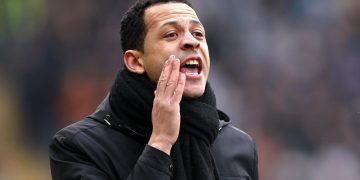
Ruben Amorim’s brief and tumultuous tenure as Manchester United’s head coach has come to an end after just 14 months. The Portuguese manager’s sacking was confirmed on January 5, 2026, following a turbulent period at Old Trafford that included an explosive outburst at the club’s hierarchy just a day earlier. Despite initial optimism after his appointment in November 2024, Amorim struggled to implement his tactical philosophy and failed to inspire consistent performances from the team. His departure leaves Manchester United in a difficult position as they seek to secure a top-four Premier League finish and restore stability under interim management.
The Struggles of Ruben Amorim’s Tenure
Ruben Amorim arrived at Manchester United in November 2024 as the club sought a new direction following the dismissal of Erik ten Hag. Having enjoyed a successful spell at Sporting CP, Amorim was seen as a bright tactical mind capable of bringing fresh ideas to the club. However, despite his credentials, Amorim’s time at United has been marred by inconsistency and frustration.
Amorim’s insistence on implementing his preferred 3-4-2-1 system, despite evident struggles, raised questions about his flexibility and adaptability. The system, which had been successful at Sporting, failed to click at United, and the team’s performances often appeared disjointed. Amorim’s reliance on this formation, despite its lack of effectiveness with United’s squad, left fans and pundits alike questioning his managerial decisions.
Despite a brief improvement in the 2025-2026 season, the Red Devils have remained far from their best. United has been plagued by defensive vulnerabilities, conceding 30 goals in just 20 matches—far more than rivals Manchester City and Arsenal. The team’s inability to find consistency has left them sitting sixth in the Premier League, still outside the top four and struggling to secure a Champions League spot for next season.
The Explosive Outburst: The Breaking Point
Ruben Amorim’s public outburst after Manchester United’s 1-1 draw with Leeds United was the final straw in a series of issues between him and the club’s management. In a fiery post-match interview, Amorim criticized the board and emphasized that he was the “manager” of Manchester United, not just the “head coach” as the club had officially appointed him.
“I came here to be the manager of Manchester United, not to be the coach,” Amorim declared, making it clear that he saw himself as someone with broader responsibilities than just overseeing the team’s training and matches. He further implied that his role went beyond that of a typical coach, calling on other club departments, including the scouting team and sporting director Jason Wilcox, to step up and do their jobs.
Amorim’s frustration appeared to stem from his perception of a lack of support and respect from the board. The public nature of his comments, in which he even referenced the need to “change the club” if people couldn’t handle criticism, created an internal rift. This power struggle between Amorim and the United hierarchy ultimately led to his downfall.
Manchester United’s Decision: A Reluctant Sacking
Despite the optimism surrounding his appointment, Amorim’s lack of progress at Manchester United led to a swift decision by the club’s board. A brief statement from the club confirmed his sacking: “With Manchester United sitting sixth in the Premier League, the club’s leadership has reluctantly made the decision that it is the right time to make a change. This will give the team the best opportunity of the highest possible Premier League finish.”
While the club acknowledged Amorim’s contribution, his failure to inspire consistent results—combined with his escalating public dispute with the board—meant that the club could not afford to continue with him at the helm. United’s leadership, focused on securing Champions League football for next season, moved quickly to end the managerial uncertainty.
Darren Fletcher Takes Interim Charge
In the immediate aftermath of Amorim’s departure, Manchester United turned to under-18s coach Darren Fletcher to take charge of the team on an interim basis. Fletcher, a former United player, will lead the squad in their crucial Premier League clash against Burnley on January 7, 2026, as the club looks to stabilize the team and maintain their push for a top-four finish.
Fletcher’s familiarity with the club and its players makes him a natural candidate to step in, though the board will likely look to appoint a more permanent solution in the coming weeks. Fletcher will be tasked with ensuring that United’s campaign does not falter as they try to recover from Amorim’s turbulent reign.
Potential Replacements: Who Could Take Over?
With Amorim now gone, Manchester United must act swiftly to secure a new permanent manager. Several names have already been linked to the role, with former United midfielder Michael Carrick, who has impressed at Middlesbrough, among the potential candidates. Other notable names include Crystal Palace’s Oliver Glasner, recently-sacked Chelsea manager Enzo Maresca, and even former Barcelona boss Xavi Hernandez.
Carrick, in particular, is seen as an ideal candidate, given his deep understanding of United’s culture and his success at Middlesbrough. However, the club may look to broaden its search to include international managers or candidates with proven success in top European leagues. United will need to carefully consider the managerial profile that best fits the club’s long-term vision and aspirations.
The Road Ahead for Manchester United
With just over half of the Premier League season remaining, Manchester United faces an uphill battle to secure a Champions League spot. The team’s defensive frailties and inconsistency under Amorim have left them vulnerable, and the next manager will need to address these issues quickly. The club’s leadership will also need to consider whether to rebuild around their current squad or bring in fresh faces during the transfer window to provide a boost.
In the interim, Darren Fletcher will look to stabilize the team and ensure that United’s top-four aspirations remain intact. However, the ultimate success of the managerial change will depend on the appointment of a long-term solution that can bring consistency, tactical clarity, and a renewed sense of direction to Manchester United.
A Tumultuous Chapter in United’s History
Ruben Amorim’s time at Manchester United, though brief, will be remembered as one of the most turbulent managerial spells in recent history. Despite his pedigree and initial promise, Amorim’s inability to implement his tactical philosophy, combined with public clashes with the board, ultimately led to his sacking. United’s leadership now faces the daunting task of finding a permanent replacement who can restore stability and competitiveness to the club. For now, all eyes are on the interim period under Darren Fletcher, as Manchester United fights to secure a top-four finish and avoid further setbacks.