Discovering your vehicle missing can be shocking, but staying calm and acting fast is crucial. When you report a stolen car, you must contact the police, notify your insurer, and follow up with recovery procedures. Acting quickly improves the chance of finding your car and protecting yourself from liability if the stolen vehicle is later involved in a crime or accident.
Step-by-Step Guide: How to Report a Stolen Car
| Step | Action |
|---|---|
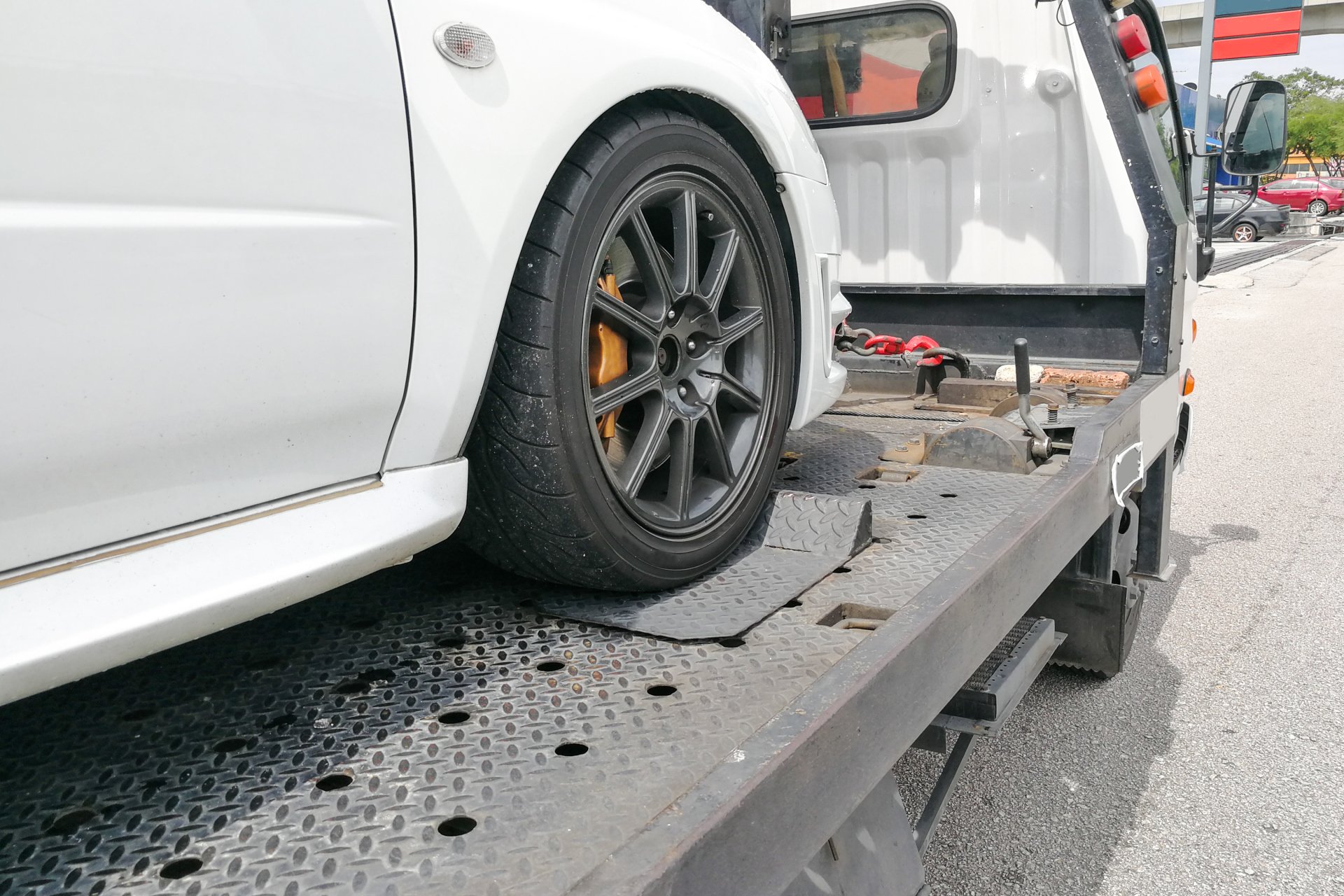
| 1. Confirm the Car Wasn’t Towed or Repossessed | Before calling the police, check local towing numbers or parking lot signage. If the car was financed, verify with your lender that it hasn’t been repossessed. |
| 2. Withdraw Permission if Loaned | If someone borrowed your car and failed to return it, send a certified letter revoking permission before filing a police report. Keep copies for legal proof. |
| 3. Gather All Vehicle Information | Prepare details including make, model, color, VIN, license plate, and proof of ownership. Only the registered owner can officially report the theft. |
| 4. List Personal Items Inside | Write down any valuables in the car—tools, electronics, documents—since they might be recoverable or covered by homeowner’s or renter’s insurance. |
| 5. Contact Local Police Immediately | Call the non-emergency police number unless the theft is in progress. Give full vehicle details and last known location. Mention any tracking devices or unique features. |
| 6. Get a Written Police Report | Request a case number and written copy of the report. You’ll need it for insurance claims and to verify ownership if the car is recovered. |
| 7. Notify Your Insurance Company | Call your insurer right after filing the police report. Provide the case number and full details. Comprehensive policies cover theft losses and related damages. |
| 8. Contact the Finance or Leasing Company | If your car is under a loan or lease, inform the lender about the theft to prevent missed-payment penalties or repossession confusion. |
| 9. Cooperate with Investigators | Respond promptly to police or insurance inquiries. Keep a record of calls, documents sent, and all updates regarding your case. |
| 10. Monitor Recovery and Impound Information | If the vehicle is found, confirm where it’s stored. Bring photo ID and ownership proof to retrieve it and pay any impound fees if required. |
Practical Tips
- Use social media to share information and photos of your car to widen the search.
- Keep copies of your registration and VIN stored digitally for emergencies.
- Avoid confronting anyone you suspect—let police handle recovery.
- Once found, have your vehicle inspected for damage and check for new items that may be evidence.