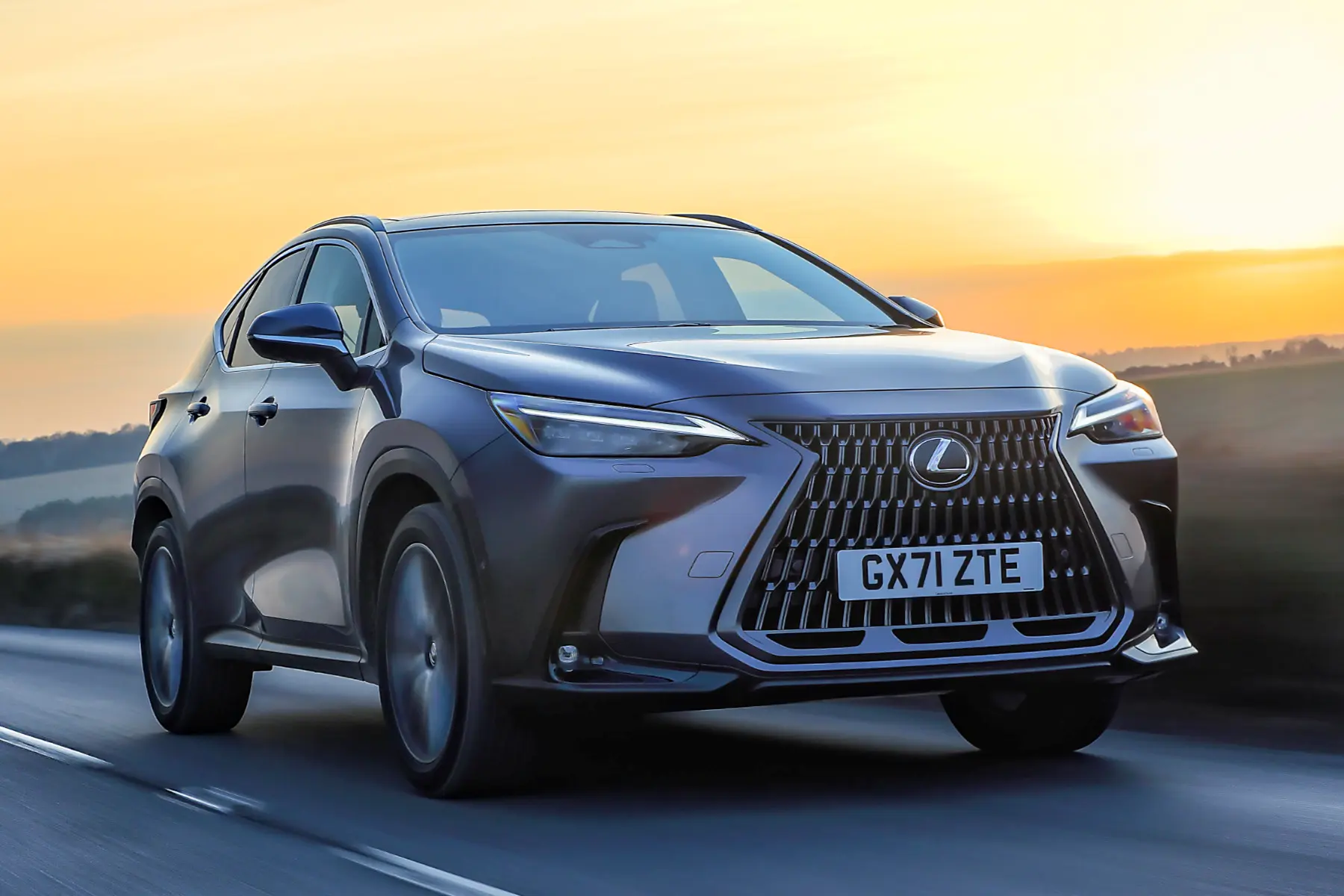
Pros and Cons of Hybrid Cars You Should Know
With rising fuel prices and growing environmental concerns, more drivers are turning to hybrid cars as a middle ground between gas and electric vehicles. These vehicles combine a traditional internal combustion engine with an electric motor to boost efficiency and reduce emissions.
But are hybrids really the best of both worlds—or just a compromise? This guide breaks down the pros and cons of hybrid cars so you can make an informed choice before your next vehicle purchase.
✅ Pros of Hybrid Cars
1. Better Fuel Efficiency
Hybrids use a combination of gas and electricity, allowing you to drive farther on less fuel—especially in city driving conditions where the electric motor does more work.
2. Lower Emissions
With reduced fuel consumption comes fewer emissions, making hybrids more environmentally friendly than conventional gas vehicles.
3. Regenerative Braking
Hybrid cars recharge their battery through regenerative braking, converting kinetic energy into electric power. This helps extend battery life and reduces wear on brake pads.
4. Tax Incentives and Perks
In some countries or regions, hybrid buyers benefit from:
- Tax credits or rebates
- Access to HOV lanes
- Discounted registration or tolls
5. Less Range Anxiety Compared to EVs
Unlike full electric vehicles, hybrids use gasoline when the battery runs low, giving you more flexibility and longer total range.
6. Quieter Operation
At low speeds or when idling, hybrids often run silently in EV mode, offering a smoother and quieter driving experience.
7. Resale Value
Hybrid vehicles often retain value better than gas-only cars due to demand for fuel-efficient, eco-conscious transport.
❌ Cons of Hybrid Cars
1. Higher Purchase Price
Hybrid cars generally cost more upfront than their gas-only counterparts due to advanced technology and dual powertrains.
2. Costly Repairs
While maintenance is usually low, repairs (especially battery or electric motor issues) can be expensive if not covered by warranty.
3. Less Powerful Performance
Many hybrids prioritize fuel economy over power, meaning slower acceleration and a less sporty driving feel compared to traditional gas engines.
4. Smaller Trunks and Cargo Space
The battery pack often takes up room in the boot, reducing cargo capacity compared to non-hybrid versions of the same model.
5. Battery Degradation Over Time
Although hybrid batteries are long-lasting, they do degrade over time and may need replacement after 8–10 years (or 100,000+ miles).
6. Limited Electric-Only Range
Standard hybrids can’t drive far on electricity alone (usually just a few miles). You’ll need a plug-in hybrid (PHEV) for longer EV-only trips.
7. Fewer Maintenance Providers
Some independent garages may not have the skills or tools to service hybrid systems, forcing you to visit a dealership.
🧠 Who Should Buy a Hybrid Car?
Hybrid cars are ideal if you:
- Drive frequently in urban or stop-and-go traffic
- Want to reduce fuel costs without committing to a full EV
- Live in an area with limited EV charging infrastructure
- Prioritize fuel efficiency and low emissions
- Want a smooth, quiet drive with modern features
⚖️ Hybrid vs Gas vs Electric: Quick Comparison
| Feature | Hybrid | Gasoline | Electric |
|---|---|---|---|
| Fuel Efficiency | High | Medium | Very High (zero fuel) |
| Emissions | Low | High | Zero (tailpipe) |
| Range | Long | Long | Varies (charging needed) |
| Charging Required | No (standard) | No | Yes |
| Purchase Price | Moderate–High | Low–Moderate | High |
| Maintenance Cost | Low–Moderate | Moderate | Low |
🏁 Conclusion: Are Hybrid Cars Worth It?
Understanding the pros and cons of hybrid cars helps you decide whether they align with your budget, lifestyle, and environmental values. For many, hybrids offer the best of both worlds: fuel savings without range anxiety. However, if performance, purchase price, or trunk space are top priorities, weigh those against the benefits before you buy.
As hybrid technology improves and eco-awareness grows, hybrids remain a smart stepping stone for drivers moving toward greener transportation.