


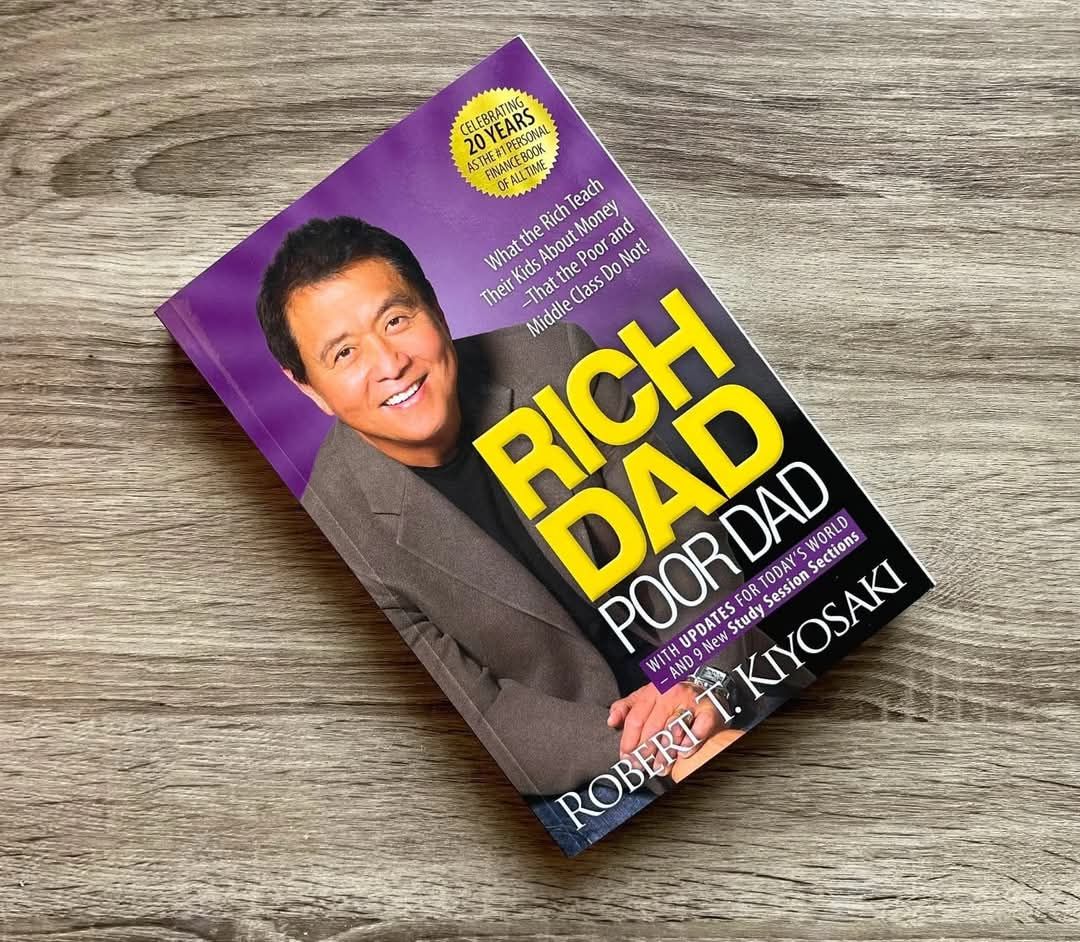
I grew up believing that making money depended on working harder and getting a good job. But reading Rich Dad Poor Dad completely changed my perspective. I realized that wealth isn’t just about how much you earn—it’s about how you think about money. The book opened my eyes to the difference between working for money and making money work for me, challenging everything I thought I knew about success and financial freedom.
7 Powerful Lessons I Learned from the Book
1. The Rich Don’t Work for Money; They Make Money Work for Them
I used to think that securing a high-paying job was the key to wealth. But this book taught me that financial freedom comes from building assets that generate passive income, rather than simply working for a paycheck. The wealthy focus on creating investments and businesses that make money for them.
2. Financial Education Matters More Than a High Salary
Schools teach us how to earn money, but they rarely teach us how to manage it wisely. Rich Dad Poor Dad made me realize that understanding investing, assets, and liabilities is what separates the wealthy from the rest. Learning how to make smart financial decisions is far more important than just earning a large salary.
3. Assets Put Money in Your Pocket; Liabilities Take Money Out
This simple yet powerful concept changed how I see money. Instead of spending on things that lose value, I now focus on investing in assets like real estate, businesses, and stocks that generate income over time. Understanding this principle is crucial for achieving financial independence.
4. The Poor and Middle Class Work for Money, But the Rich Build Wealth
Most people trade their time for money, but the wealthy focus on creating systems and investments that earn for them even while they sleep. Instead of just earning a paycheck, the rich focus on building wealth through ownership and strategic investments.
5. Fear and Comfort Keep People Trapped in the Rat Race
Many people stay in jobs they don’t enjoy because they fear losing financial security. This book taught me that real security comes from financial independence, not from relying on a paycheck. Overcoming fear and taking control of my finances is the key to breaking free from the rat race.
6. The Rich Take Calculated Risks
I used to avoid anything that seemed risky, believing that playing it safe was the best approach. But Rich Dad Poor Dad showed me that calculated financial risks are necessary for growth. Successful investors step out of their comfort zones, analyze opportunities, and make strategic moves to grow their wealth.
7. Developing an Entrepreneurial Mindset Is Key to Financial Freedom
Whether starting a business or investing in assets, thinking like an entrepreneur—finding opportunities, solving problems, and making money work for me—is what will ultimately help me achieve long-term financial success. Shifting from an employee mindset to an ownership mindset is a game-changer.
Final Thoughts: A New Way to Think About Money
Rich Dad Poor Dad is more than just a finance book—it’s a mindset shift. The lessons in this book helped me break free from the traditional way of thinking about money and understand that true wealth comes from financial literacy, smart investments, and an entrepreneurial approach.
If you’re ready to change the way you think about money, this book is a must-read.
📖 Get the book here: Amazon Link 🎧 You can also get the audiobook for FREE using the same link! Register for the audiobook on Audible and start enjoying it today.




