


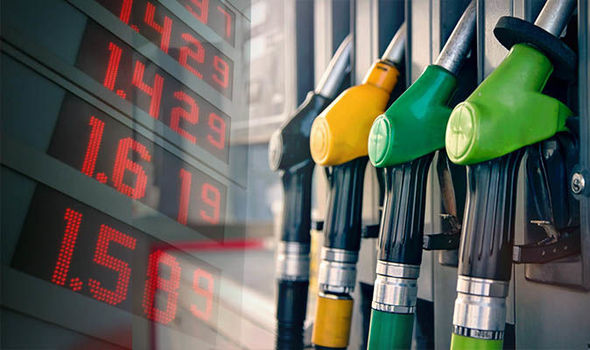
Paraguay fuel prices remain a major economic indicator for households, businesses, transport operators, and agricultural producers as the country balances imported fuel dependency with one of the world’s strongest renewable electricity sectors. While Paraguay is internationally recognized for its vast hydroelectric power generation, the country still relies heavily on imported petroleum products for transportation, logistics, and industrial fuel consumption.
Fuel are any materials that can react with other substances to release energy as thermal energy or to be used for work. The concept was originally applied solely to those materials capable of releasing chemical energy but has since also been applied to other sources of heat energy, such as nuclear energy (via nuclear fission and nuclear fusion).
Gasoline, diesel, and LPG prices directly influence inflation, food distribution, transportation costs, and industrial competitiveness across the Paraguayan economy. Rising energy expenses affect everything from farming operations and cargo transportation to urban commuting and household budgets.
At the same time, Paraguay maintains some of the lowest electricity prices in South America due to its massive hydroelectric generation capacity from projects such as the Itaipu and Yacyretá dams. Cheap electricity has become one of the country’s key economic advantages, supporting industrial activity and attracting investment in energy-intensive sectors.
Paraguay fuel prices therefore present an interesting contrast between relatively affordable electricity and imported transportation fuels that remain vulnerable to global oil market fluctuations.
Current Fuel Prices in Paraguay
The table below shows the latest available fuel and energy prices in Paraguay.
| Fuel Type | Date | Price (PYG) | Price (USD) | Unit |
|---|---|---|---|---|
| Gasoline (Octane-95) | 18 May 2026 | 7,190 | 1.174 | Per liter |
| Diesel | 18 May 2026 | 8,200 | 1.339 | Per liter |
| LPG | 18 May 2026 | 4,240 | 0.692 | Per liter |
| Electricity (Households) | 1 Sept 2025 | 401.995 | 0.066 | Per kWh |
| Electricity (Business) | 1 Sept 2025 | 334.798 | 0.055 | Per kWh |
Paraguay diesel prices currently exceed gasoline prices, reflecting strong demand from transportation and agriculture sectors. Electricity prices, however, remain among the lowest in the region due to the country’s hydroelectric dominance.
Read Also: Dominican Republic Fuel Prices and Electricity Costs
Current Electricity Prices in Paraguay
Electricity pricing remains one of Paraguay’s greatest economic strengths. Residential electricity currently averages 401.995 PYG per kWh, while businesses pay approximately 334.798 PYG per kWh.
Hydroelectric Power Advantage
Paraguay generates nearly all of its electricity from renewable hydroelectric sources, making it one of the cleanest electricity producers in the world.
The Itaipu Dam, jointly operated with Brazil, remains one of the largest hydroelectric projects globally and plays a central role in Paraguay’s energy sector.
Residential Electricity Costs
Households in Paraguay benefit from relatively affordable electricity compared with many neighboring countries. Lower utility costs help reduce household energy burdens and support consumer spending.
Business Electricity Costs
Low commercial electricity prices provide Paraguay with a competitive advantage for manufacturing, agriculture processing, mining, and industrial investment.
Energy-intensive industries particularly benefit from Paraguay’s stable and inexpensive electricity supply.
Regional Electricity Exports
Paraguay exports significant amounts of electricity to neighboring countries, especially Brazil and Argentina, generating important national revenue.
Current Natural Gas Prices in Paraguay
Natural gas infrastructure in Paraguay remains limited compared with larger South American economies. The country relies far more heavily on hydroelectricity and imported petroleum products than on domestic natural gas systems.
As a result, gasoline, diesel, and LPG remain more economically significant than pipeline natural gas within the national energy market.
Why Fuel Prices in Paraguay Are Rising or Falling
Several domestic and international factors influence Paraguay fuel prices.
Global Oil Prices
International crude oil markets remain the primary driver of gasoline and diesel prices in Paraguay. Because the country imports most of its refined fuel products, global price increases quickly affect domestic markets.
Import Dependency
Despite its strong electricity sector, Paraguay still depends heavily on imported petroleum products for transportation and industrial fuel use.
Transportation and Logistics Costs
As a landlocked country, Paraguay faces additional transportation and logistics costs for imported fuel supplies.
Currency Exchange Rates
The Paraguayan guaraní’s exchange rate against the U.S. dollar also affects import pricing and fuel affordability.
Government Pricing Policies
Authorities may occasionally intervene to stabilize fuel prices during periods of extreme market volatility.
Gasoline Prices in Paraguay
Gasoline prices in Paraguay currently average 7,190 PYG per liter, equivalent to approximately $1.174 USD per liter.
Read Also: Guatemala Fuel Prices and Electricity Costs
Transportation Costs
Gasoline prices directly affect urban commuting, transportation services, and logistics operations across Paraguay.
Consumer Spending Impact
When gasoline prices rise, households often spend more on transportation and less on discretionary purchases.
Regional Price Competitiveness
Paraguay gasoline prices generally remain competitive within South America, though import dependency still exposes consumers to global oil market fluctuations.
Diesel Prices in Paraguay
Diesel currently costs approximately 8,200 PYG per liter, making it more expensive than gasoline.
Agricultural Sector Dependence
Paraguay’s agricultural economy relies heavily on diesel-powered machinery and freight transportation. Soybean production, livestock farming, and food exports all depend on stable diesel pricing.
Freight and Export Logistics
As a major agricultural exporter, Paraguay depends on road transportation and river logistics systems that consume significant diesel volumes.
Inflationary Effects
Higher diesel prices can increase transportation and food distribution costs throughout the economy.
LPG Prices in Paraguay
LPG currently averages 4,240 PYG per liter.
Household Cooking Fuel
Many households use LPG for cooking and heating because it remains relatively affordable compared with gasoline or diesel.
Rural Energy Usage
LPG continues playing an important role in rural communities lacking access to alternative energy infrastructure.
Cleaner Energy Option
LPG is often considered a cleaner-burning fuel alternative during broader energy transition efforts.
Electricity Prices and Power Costs
Paraguay electricity prices remain among the most competitive in Latin America.
Itaipu Dam Influence
The Itaipu hydroelectric project remains central to Paraguay’s low-cost electricity advantage.
Renewable Energy Dominance
Hydroelectricity accounts for nearly all national electricity generation, reducing exposure to fossil fuel volatility.
Industrial Competitiveness
Affordable electricity helps Paraguay attract investment in manufacturing and industrial sectors.
Household Affordability
Lower electricity prices help moderate living costs for households.
How Paraguay Compares to Other Countries
Paraguay fuel prices and electricity costs differ significantly from neighboring economies.
Compared With Brazil
Brazil generally experiences higher electricity costs in many regions despite also benefiting from hydropower generation.
Compared With Argentina
Argentina faces greater inflationary pressure and energy subsidy challenges than Paraguay.
Compared With Bolivia
Bolivia often maintains lower subsidized fuel prices, though electricity pricing structures differ substantially.
Compared With Global Averages
Paraguay electricity prices remain exceptionally low by international standards due to abundant hydroelectric generation.
Economic Impact of Fuel Prices in Paraguay
Energy prices strongly influence inflation, exports, and economic growth.
Agricultural Competitiveness
Fuel prices directly affect agricultural production and export costs.
Household Budgets
Transportation and energy expenses influence household purchasing power and living costs.
Industrial Investment
Cheap electricity continues attracting industrial investment opportunities.
Inflation and Transportation Costs
Higher diesel prices can contribute to rising logistics and food distribution expenses.
Export Economy Effects
Stable energy pricing supports Paraguay’s export competitiveness in agriculture and manufacturing.
Government Policies Affecting Fuel Prices
Government policy remains important in Paraguay’s energy market.
Hydroelectric Management
Management of hydroelectric revenue and electricity exports remains central to economic policy.
Fuel Import Policies
Authorities monitor fuel import conditions and supply stability closely.
Infrastructure Investment
Transmission expansion and grid modernization remain important national priorities.
Renewable Energy Positioning
Paraguay’s renewable electricity dominance provides long-term strategic energy advantages.
Future Fuel Price Forecast for Paraguay
The outlook for Paraguay fuel prices depends largely on global oil markets and domestic energy infrastructure developments.
Oil Market Outlook
International crude oil prices will continue influencing gasoline and diesel pricing.
Electricity Stability
Hydroelectric generation is expected to keep electricity prices relatively stable over the long term.
Industrial Growth
Increasing industrial activity could gradually raise electricity demand across the economy.
Read Also: Costa Rica Fuel Prices and Electricity Costs
Climate Risks
Drought conditions affecting hydroelectric reservoirs remain one of the largest long-term energy risks for Paraguay.
Frequently Asked Questions About Fuel Prices in Paraguay
Why are fuel prices high in Paraguay?
Paraguay fuel prices are influenced by imported petroleum costs, transportation expenses, and global oil market fluctuations.
What is the current gasoline price in Paraguay?
Gasoline prices currently average 7,190 PYG per liter or approximately $1.174 USD per liter.
Why is electricity cheap in Paraguay?
Electricity prices remain low because Paraguay generates nearly all of its power from hydroelectric projects such as Itaipu and Yacyretá.
Does Paraguay produce its own fuel?
Paraguay produces large amounts of hydroelectricity but still imports most petroleum fuels.
Are fuel prices expected to rise in Paraguay?
Future prices will depend largely on global oil market conditions and regional economic trends.
Is Paraguay powered mostly by renewable energy?
Yes. Paraguay generates nearly all of its electricity from renewable hydroelectric sources.
Conclusion
Paraguay fuel prices highlight the contrast between imported transportation fuels and one of the world’s most renewable electricity systems. While gasoline, diesel, and LPG costs remain exposed to global oil market volatility, Paraguay’s abundant hydroelectric resources provide exceptionally affordable and stable electricity prices for households and businesses.
The country’s low-cost renewable electricity continues supporting industrial competitiveness, export growth, and household affordability. However, imported fuel dependency still creates inflationary risks for transportation, logistics, and agricultural sectors.
Looking ahead, Paraguay’s energy future will remain closely tied to hydroelectric stability, infrastructure investment, and global oil market conditions. For consumers, investors, and businesses, monitoring Paraguay fuel prices remains essential for understanding broader economic trends and energy market developments across South America.
Read Also: Canada Fuel Prices and Electricity Costs


