


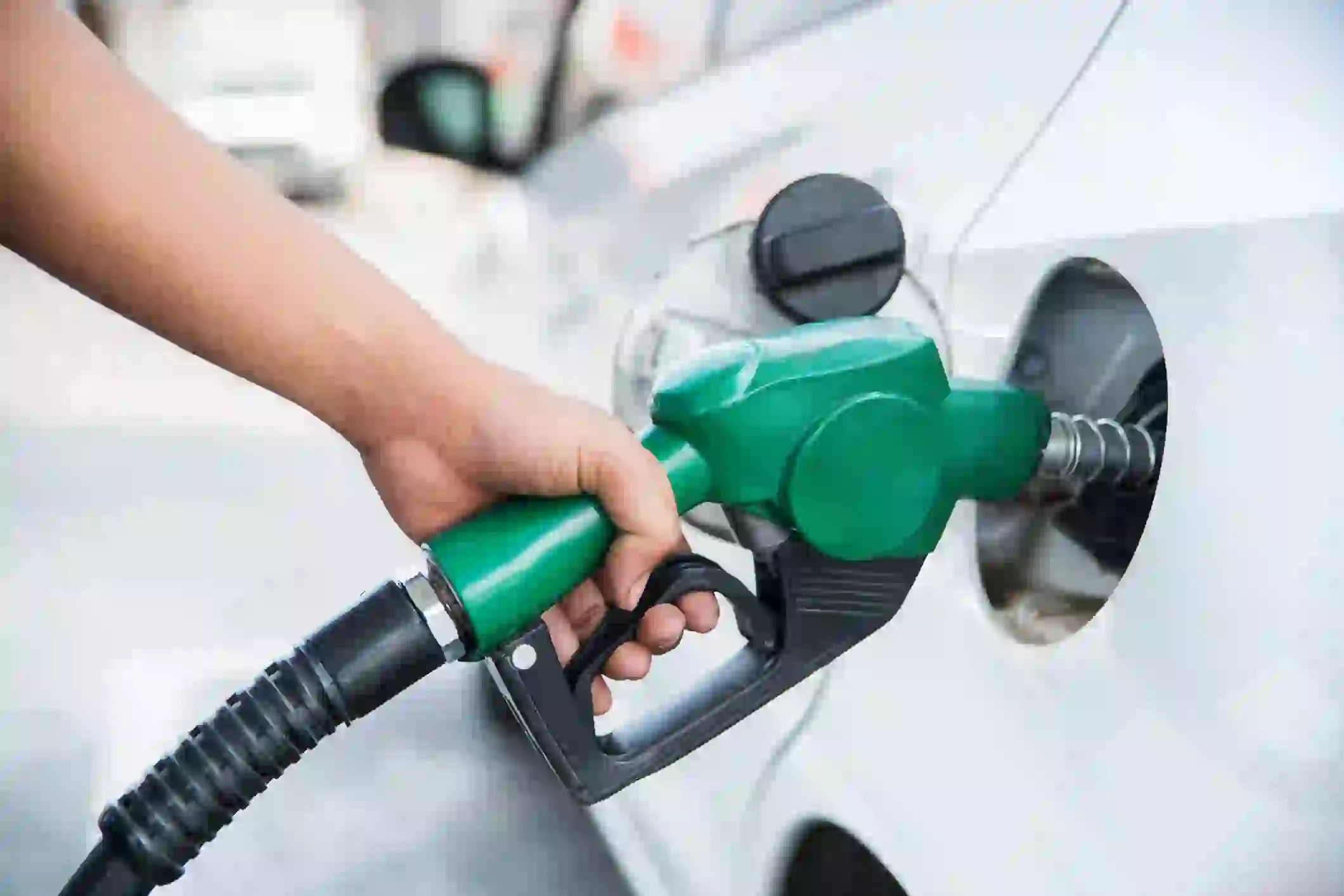
Venezuela fuel prices remain among the lowest in the world despite years of economic instability, inflation, infrastructure decline, and political upheaval. The country’s retail gasoline and diesel prices are heavily subsidized by the government, allowing motorists to purchase fuel at prices far below global market averages.
As of May 18, 2026, Venezuelans enrolled in the government’s “Patria” subsidy system continue accessing gasoline and diesel at deeply discounted rates. While these subsidized prices provide relief for some households, the broader energy market remains highly distorted by economic sanctions, currency instability, fuel shortages, and declining refining capacity.
Fuel are any materials that can react with other substances to release energy as thermal energy or to be used for work. The concept was originally applied solely to those materials capable of releasing chemical energy but has since also been applied to other sources of heat energy, such as nuclear energy (via nuclear fission and nuclear fusion).
The usage and pricing of gasoline (or petrol) results from factors such as crude oil prices, processing and distribution costs, local demand, the strength of local currencies, local taxation or subsidy, and the availability of local sources of gasoline (supply). Since fuels are traded worldwide, the trade prices are similar. The price paid by consumers largely reflects national pricing policy. Most countries impose taxes on gasoline (petrol), whereas a few, such as Venezuela, subsidize the cost. No country’s taxes cover all the negative externalities (air pollution and CO2 emissions) associated with usage, that is they do not make the polluter pay the full cost. Western countries have among the highest usage rates per person. The largest consumer is the United States.
Venezuela possesses some of the world’s largest proven oil reserves and was historically one of Latin America’s leading oil exporters. However, years of underinvestment, sanctions, operational challenges, and political instability have weakened the country’s energy infrastructure and reduced domestic refining output.
Venezuela fuel prices therefore represent a unique global case where abundant oil reserves coexist with severe economic challenges and one of the world’s most heavily subsidized fuel markets.
Read Also: Guatemala Fuel Prices and Electricity Costs
Currently, in Venezuela, there are a total of 1,500 gas stations. 500 of these gas stations sell gas for the subsidized price, 500 sell gas at a dollar price, and the rest sell gas interchangeably between both (subsidized & unsubsidized). In 2013, PDVSA, Venezuelan state-owned company, spent US$1.7 billion in direct costs of importation of gasoline, and subsidizing all sales of gasoline in the internal Venezuelan market. The sale price of gasoline was US$0.015 per liter, on a fixed price in the local currency that has been in effect since 1997. Given the low price of gasoline, it is distributed free of charge to gas stations.
On May 30, 2020, government did announce a price increase to US$0.5 per liter which is the price until now Jun 4 2021, but with supply shortages at the service stations.
Current Fuel Prices in Venezuela
The table below shows the latest available retail fuel prices in Venezuela.
| Fuel Type | Date | Price (VEF/VES) | Price (USD) | Unit |
|---|---|---|---|---|
| Gasoline (Octane-95) | 18 May 2026 | 0.84 | 0.035 | Per liter |
| Diesel | 18 May 2026 | 0.10 | 0.004 | Per liter |
These prices apply primarily to motorists registered under the government’s subsidized fuel system.
Venezuela’s Fuel Subsidy System
Venezuela operates one of the world’s most extensive fuel subsidy systems. Consumers registered through the government’s “Patria” platform can access fuel at subsidized rates far below international market prices.
Monthly Fuel Quotas
Motorists generally receive fixed monthly fuel quotas at subsidized prices:
- Cars: approximately 120 liters per month
- Motorcycles: approximately 60 liters per month
Once drivers exceed their quota limits, they must purchase fuel at significantly higher market-linked prices.
International Pricing Tier
After quota limits are reached, gasoline may be sold at “international” prices that can exceed $0.50 USD per liter depending on regional conditions and exchange rates.
This dual-pricing structure was introduced to reduce fiscal pressure while maintaining political support through subsidized access.
Why Venezuela Fuel Prices Are So Low
Several key factors explain Venezuela fuel prices.
Government Subsidies
For decades, Venezuela has subsidized gasoline prices as part of broader state welfare policies linked to the country’s oil wealth.
State-Controlled Oil Sector
The national oil company, PDVSA, controls much of the country’s petroleum production, refining, and fuel distribution system.
Political Strategy
Cheap fuel has historically been politically sensitive in Venezuela. Fuel price increases have previously triggered public unrest and protests.
Oil Reserve Wealth
Venezuela possesses some of the world’s largest proven crude oil reserves, allowing the government to maintain low domestic fuel pricing despite fiscal pressure.
Gasoline Prices in Venezuela
Gasoline prices in Venezuela currently average just 0.84 VEF/VES per liter or around $0.035 USD per liter at the subsidized rate.
Among the Lowest Globally
Venezuela gasoline prices remain among the cheapest worldwide, even after gradual pricing reforms introduced in recent years.
Domestic Market Distortions
Extremely low prices can encourage smuggling, black-market activity, and overconsumption.
Infrastructure Challenges
Although fuel remains cheap officially, availability can be inconsistent due to refining issues and distribution bottlenecks.
Diesel Prices in Venezuela
Diesel currently costs approximately 0.10 VEF/VES per liter or roughly $0.004 USD per liter under the subsidized system.
Transportation and Agriculture
Diesel remains essential for freight transportation, agriculture, electricity generation, and industrial operations.
Supply Shortages
Despite low official prices, diesel shortages have periodically affected transportation networks and agricultural production.
Industrial Dependence
Industries and logistics operators remain heavily dependent on subsidized diesel access.
Kerosene and LPG Prices in Venezuela
Kerosene and LPG also remain heavily regulated under Venezuela’s state-controlled energy system.
Household Usage
Many households depend on LPG for cooking and household energy needs.
Availability Issues
Distribution challenges and infrastructure deterioration can create regional shortages and uneven access.
Regulated Pricing
The government continues maintaining price controls for many household fuel products.
Electricity Prices and Power Costs in Venezuela
Electricity prices in Venezuela remain heavily subsidized in many regions, though service reliability has become a major challenge.
Read Also: Paraguay Fuel Prices and Electricity Costs
Power Infrastructure Challenges
Years of underinvestment and maintenance issues have contributed to periodic power outages and grid instability.
Hydroelectric Dependence
Venezuela relies heavily on hydropower generation, particularly from the Guri Dam.
Blackouts and Reliability
Large-scale blackouts have periodically affected homes, businesses, and industrial operations across the country.
Economic Impact of Fuel Subsidies in Venezuela
Venezuela’s fuel subsidy system has major economic implications.
Fiscal Pressure
Subsidizing gasoline and diesel creates substantial costs for the government.
Inflation and Currency Instability
Economic instability and inflation continue affecting the broader energy sector despite low official fuel prices.
Smuggling Risks
Extremely cheap fuel has historically encouraged fuel smuggling into neighboring countries.
Transportation Costs
Low fuel prices help reduce domestic transportation expenses for consumers and businesses.
Venezuela’s Oil Industry and Energy Sector
The country’s energy sector remains central to its economy.
PDVSA’s Role
State oil company PDVSA oversees much of Venezuela’s oil production and refining operations.
Refining Capacity Decline
Domestic refining capacity has fallen significantly compared with historical levels.
Offshore and Export Potential
Despite operational challenges, Venezuela still possesses enormous long-term oil production potential.
How Venezuela Compares to Other Countries
Venezuela fuel prices remain dramatically lower than nearly every other country.
Compared With South America
Most neighboring countries have market-based fuel pricing systems with significantly higher retail prices.
Compared With Global Averages
Venezuela gasoline prices remain among the cheapest worldwide due to subsidies.
Economic Contrast
While fuel is extremely cheap officially, broader economic instability and shortages create significant market distortions.
Government Policies Affecting Fuel Prices
Government policy completely shapes Venezuela fuel prices.
Subsidy Programs
Subsidized pricing remains central to domestic energy policy.
Fuel Quota Controls
The quota system attempts to balance affordability with fiscal sustainability.
Exchange Rate Policies
Currency instability continues affecting energy market operations and pricing structures.
Oil Sector Reforms
Authorities have periodically attempted reforms aimed at stabilizing production and refining capacity.
Future Fuel Price Forecast for Venezuela
The future outlook for Venezuela fuel prices depends heavily on political and economic conditions.
Potential Subsidy Reforms
Authorities may gradually reduce subsidies over time to ease fiscal pressure.
Oil Production Recovery
Increased oil production could improve domestic fuel supply stability.
Refining Infrastructure
Investment in refinery modernization remains essential for improving availability.
Currency and Inflation Risks
Inflation and exchange rate instability will continue shaping domestic energy affordability.
Frequently Asked Questions About Fuel Prices in Venezuela
Why are fuel prices so low in Venezuela?
Venezuela fuel prices remain heavily subsidized by the government because of the country’s large oil reserves and long-standing state pricing policies.
What is the current gasoline price in Venezuela?
Subsidized gasoline prices currently average around 0.84 VEF/VES per liter or approximately $0.035 USD per liter.
Why is diesel cheaper than gasoline in Venezuela?
Diesel receives extensive state support because it is important for transportation, agriculture, and industry.
Does Venezuela still subsidize fuel?
Yes. Venezuela continues operating one of the world’s largest fuel subsidy systems.
Are there fuel shortages in Venezuela?
Yes. Despite low official prices, fuel availability can be inconsistent because of refining and distribution challenges.
What is the Patria fuel system?
The Patria system is the government platform used to manage subsidized fuel access and monthly quotas.
Conclusion
Venezuela fuel prices remain among the lowest globally due to extensive government subsidies and state-controlled energy policies. Gasoline and diesel prices continue reflecting decades of subsidized fuel access tied to the country’s vast oil reserves and political priorities.
However, low official fuel prices exist alongside broader economic challenges including inflation, infrastructure decline, refining constraints, and periodic supply shortages. The country’s dual-pricing structure, quota system, and fuel subsidies highlight the complexity of Venezuela’s energy market.
Looking ahead, Venezuela’s long-term fuel pricing outlook will depend on oil sector recovery, refinery modernization, subsidy reforms, and broader economic stabilization efforts. Monitoring Venezuela fuel prices therefore remains essential for understanding both domestic economic conditions and the future direction of one of the world’s most unique energy markets.
Read Also: Suriname Fuel Prices and Electricity Costs


