


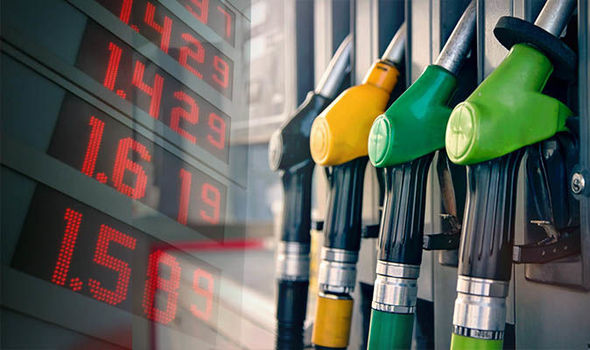
Jamaica fuel prices remain a major concern for households, tourism operators, businesses, and transportation companies as global energy market volatility continues influencing the Caribbean economy. Rising gasoline, diesel, kerosene, and electricity costs directly affect transportation, food prices, tourism operations, and household budgets across the island nation.
As one of the Caribbean’s leading tourism economies, Jamaica relies heavily on imported petroleum products to support transportation, electricity generation, aviation, shipping, and industrial activity. Fuel and electricity prices therefore have a significant impact on inflation, economic growth, and consumer spending.
Fuel are any materials that can react with other substances to release energy as thermal energy or to be used for work. The concept was originally applied solely to those materials capable of releasing chemical energy but has since also been applied to other sources of heat energy, such as nuclear energy (via nuclear fission and nuclear fusion).
Electricity costs in Jamaica remain among the highest in the Caribbean due to import dependency, infrastructure expenses, and power generation costs. Businesses in sectors such as hospitality, retail, manufacturing, and logistics closely monitor energy prices because utility and fuel expenses represent a major share of operational costs.
At the same time, Jamaica continues investing in renewable energy projects, natural gas infrastructure, and electricity modernization as part of broader efforts to reduce long-term energy costs and improve energy security.
Current Fuel Prices in Jamaica
The table below shows the latest available fuel and energy prices in Jamaica.
| Fuel Type | Date | Price (JMD) | Price (USD) | Unit |
|---|---|---|---|---|
| Gasoline (Octane-95) | 18 May 2026 | 234.82 | 1.484 | Per liter |
| Diesel | 18 May 2026 | 235.03 | 1.485 | Per liter |
| Kerosene | 18 May 2026 | 216.75 | 1.370 | Per liter |
| Electricity (Households) | 1 Sept 2025 | 45.777 | 0.289 | Per kWh |
| Electricity (Business) | 1 Sept 2025 | 37.53 | 0.237 | Per kWh |
Jamaica diesel prices currently remain slightly higher than gasoline prices, while electricity costs for households are significantly above many global averages. The country’s dependence on imported fuels continues shaping domestic energy pricing trends.
Current Electricity Prices in Jamaica
Electricity pricing remains one of the most important economic issues in Jamaica. Residential electricity prices currently average 45.777 JMD per kWh, while businesses pay approximately 37.53 JMD per kWh.
Read Also: Bolt Hikes Fares by 6% in Kenya Amid Rising Fuel Costs
Residential Electricity Costs
Jamaican households often face high electricity bills because of cooling needs, appliance use, and elevated generation costs. Air conditioning and refrigeration are especially important in the tropical climate.
Electricity affordability remains a challenge for many families, particularly during periods of inflation and rising fuel costs.
Business Electricity Costs
Commercial electricity prices significantly affect hotels, restaurants, manufacturers, supermarkets, and tourism facilities.
The tourism sector, which serves as one of Jamaica’s primary economic drivers, relies heavily on stable electricity supply for hotels, airports, entertainment venues, and transportation systems.
Electricity Generation Challenges
Historically, Jamaica has relied heavily on imported oil for electricity generation. This dependence has exposed consumers to international oil market volatility.
The country has increasingly diversified its energy mix by incorporating liquefied natural gas and renewable energy projects.
Current Natural Gas Prices in Jamaica
Natural gas usage has expanded in Jamaica over recent years, particularly through liquefied natural gas imports used for electricity generation.
Natural gas plays an increasingly important role in reducing dependence on expensive oil-based generation and improving electricity efficiency.
Industrial and commercial sectors are expected to increase natural gas usage further as infrastructure expands.
Why Fuel Prices in Jamaica Are Rising or Falling
Several key factors influence Jamaica fuel prices.
Global Oil Prices
International crude oil markets remain the largest driver of gasoline and diesel prices in Jamaica. Rising oil prices typically translate into higher fuel and electricity costs.
Import Dependency
Jamaica imports most of its petroleum products, making domestic prices highly vulnerable to shipping expenses and international supply disruptions.
Exchange Rates
The Jamaican dollar’s exchange rate against the U.S. dollar affects import costs because oil and fuel products are traded globally in dollars.
Government Taxes and Levies
Taxes and regulatory charges contribute significantly to final retail fuel prices.
Electricity Fuel Costs
Fuel expenses heavily influence electricity generation costs because thermal power generation still plays a major role in Jamaica’s energy system.
Gasoline Prices in Jamaica
Gasoline prices in Jamaica currently average 234.82 JMD per liter or approximately $1.484 USD per liter.
Transportation Costs
Higher gasoline prices increase commuting expenses, taxi fares, tourism transportation costs, and household budgets.
Public transportation systems and ride-hailing services are particularly sensitive to fuel price changes.
Consumer Spending Impact
Rising gasoline prices reduce disposable income, often limiting consumer spending in other sectors.
Tourism and Mobility
Tourism transportation services, including airport transfers and rental car operations, also face higher operating expenses when gasoline prices rise.
Diesel Prices in Jamaica
Diesel prices currently stand at 235.03 JMD per liter.
Freight and Logistics
Diesel remains essential for trucking, cargo movement, buses, construction equipment, and marine transport.
Agriculture and Industry
Agricultural producers and manufacturers rely heavily on diesel-powered equipment and transportation networks.
Inflationary Effects
Higher diesel prices often contribute to rising food prices and broader inflation because transportation costs increase across supply chains.
Kerosene Prices in Jamaica
Kerosene currently averages 216.75 JMD per liter.
Read Also: Dominican Republic Fuel Prices and Electricity Costs
Household Energy Use
Some households still use kerosene for cooking and lighting, particularly in lower-income or rural communities.
Aviation and Industrial Relevance
Kerosene pricing also affects aviation fuel markets and industrial operations linked to transportation and logistics.
Cleaner Energy Transition
Jamaica’s renewable energy and natural gas expansion may gradually reduce reliance on kerosene over time.
Electricity Prices and Power Costs
Electricity remains one of Jamaica’s most important economic and infrastructure challenges.
High Electricity Costs
Jamaica electricity prices remain relatively high because of imported fuel dependence and infrastructure expenses.
Renewable Energy Expansion
The country has expanded solar and wind energy projects as part of efforts to diversify electricity generation.
Natural Gas Integration
Liquefied natural gas imports have helped improve generation efficiency and reduce some oil dependency.
Industrial Competitiveness
High electricity costs remain a challenge for manufacturing and export-oriented industries.
How Jamaica Compares to Other Countries
Jamaica fuel prices and electricity costs remain elevated compared with many larger economies.
Read Also: Costa Rica Fuel Prices and Electricity Costs
Compared With Trinidad and Tobago
Trinidad and Tobago benefits from domestic oil and gas production, allowing lower energy costs in many cases.
Compared With the Dominican Republic
Both countries experience similar import dependency challenges, though electricity market structures differ.
Compared With Global Averages
Jamaica electricity prices remain high by international standards, especially relative to household income levels.
Compared With Other Caribbean Nations
Many Caribbean countries face similarly high energy costs because of import dependency and limited economies of scale.
Economic Impact of Fuel Prices in Jamaica
Energy prices strongly influence Jamaica’s broader economic conditions.
Inflation and Cost of Living
Fuel price increases raise transportation and food distribution costs, contributing to higher living expenses.
Tourism Industry Costs
Hotels, airlines, restaurants, and entertainment operators all face higher operational costs during periods of rising energy prices.
Household Budgets
Electricity and fuel expenses consume a significant share of household income.
Manufacturing and Business Costs
Manufacturers and retailers monitor electricity and diesel prices closely because energy remains a major operating expense.
Economic Growth
Stable energy prices support investment, tourism growth, and consumer spending confidence.
Government Policies Affecting Fuel Prices
Government policy continues shaping Jamaica fuel prices and electricity costs.
Fuel Taxes
Taxes and levies remain major components of retail fuel pricing.
Renewable Energy Incentives
Authorities continue supporting renewable energy projects and clean energy investment.
Electricity Sector Reforms
Power infrastructure modernization remains important for improving efficiency and reliability.
Energy Security Strategies
Diversifying energy sources remains central to Jamaica’s long-term energy planning.
Future Fuel Price Forecast for Jamaica
The future outlook for Jamaica fuel prices depends heavily on global oil markets and domestic energy reforms.
Read Also: Argentina Fuel Prices and Electricity Costs 2026
Oil Market Trends
International crude oil prices will continue influencing gasoline and diesel costs.
Renewable Energy Growth
Further investment in solar, wind, and battery storage may help moderate long-term electricity costs.
Tourism Recovery and Energy Demand
Strong tourism growth may increase fuel and electricity demand across the economy.
Climate Risks
Hurricanes and severe weather events remain major risks to Caribbean energy infrastructure and supply chains.
Frequently Asked Questions About Fuel Prices in Jamaica
Why are fuel prices high in Jamaica?
Jamaica fuel prices are influenced by imported petroleum costs, shipping expenses, taxes, and global oil market volatility.
What is the current gasoline price in Jamaica?
Gasoline prices currently average 234.82 JMD per liter or approximately $1.484 USD per liter.
Why is electricity expensive in Jamaica?
Electricity costs remain high because of imported fuel dependency, infrastructure expenses, and power generation costs.
Does Jamaica subsidize fuel prices?
Jamaica generally uses market-based pricing mechanisms, though regulatory measures may occasionally moderate price volatility.
Are fuel prices expected to rise in Jamaica?
Future prices will depend largely on international oil markets, exchange rates, and regional energy conditions.
Is Jamaica investing in renewable energy?
Yes. Jamaica continues expanding solar, wind, and natural gas infrastructure to improve long-term energy security.
Conclusion
Jamaica fuel prices remain a major factor influencing inflation, tourism competitiveness, transportation costs, and household affordability across the Caribbean nation. Gasoline, diesel, kerosene, and electricity prices continue reflecting the country’s dependence on imported petroleum products and global energy market conditions.
Read Also: Guatemala Fuel Prices and Electricity Costs
Although Jamaica has made progress in renewable energy investment and natural gas integration, electricity costs and fuel expenses remain significant challenges for consumers and businesses alike. Tourism operators, manufacturers, transport companies, and households all remain highly sensitive to energy price movements.
Looking ahead, continued investment in renewable energy, modern infrastructure, and diversified electricity generation may help strengthen Jamaica’s long-term energy resilience and economic stability. Monitoring Jamaica fuel prices therefore remains essential for understanding both consumer conditions and the broader economic outlook.


