


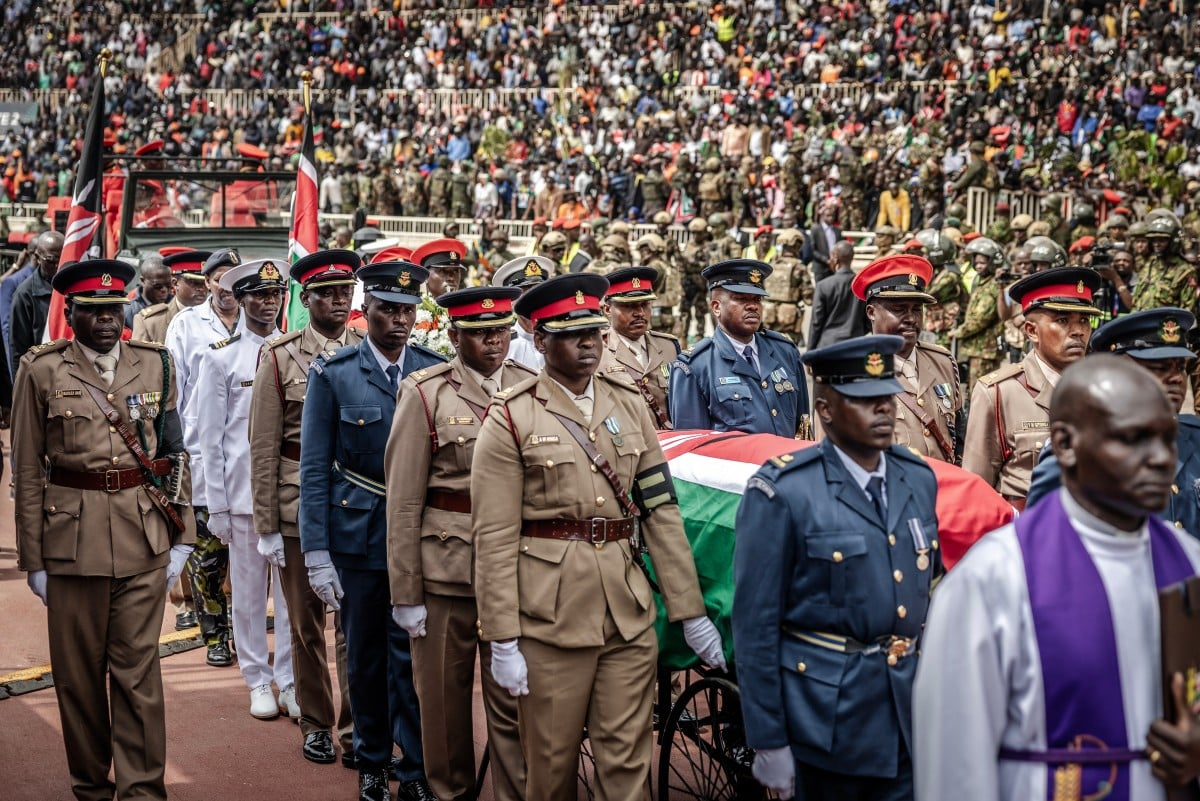
The ongoing conversation around how the State has handled Raila Odinga’s farewell reveals something deeper about Kenyan politics — the difference between entitlement and recognition. The Wamunyoro axis is right in one sense: Raila deserved every honour he is receiving. But to stop there misses the historical irony. In Africa, deserving something has never guaranteed receiving it — not even rights as basic as dignity.
This country has a long memory of its leaders being denied symbolic courtesies meant to affirm their service. Uhuru Kenyatta, as President, once denied Raila Odinga, then an immediate former Prime Minister, access to the VIP lounge at JKIA. Before that, during the Grand Coalition Government, Mwai Kibaki reportedly denied Raila the simple courtesy of a VIP carpet, despite him being the sitting Prime Minister. Such acts may appear small, but they represent the deep insecurities of African leadership — where power, not principle, determines how respect is distributed.
Even in death, history has not been kind to Kenya’s senior leaders. Kijana Wamalwa, who died in office as Vice President while on official duty in the UK, was never flown home aboard a special Kenya Airways jet. His body returned quietly, absent the national grandeur befitting his status. Neither Moi nor Kibaki in their time received the kind of symbolic reverence now extended to Raila — the flag-draped casket, the full military escort, the presidential eulogies united in tone.
So yes, the President has done Raila Odinga no favour — but he has done Kenya a service. For once, a political giant is being treated not as a rival to be diminished, but as a statesman to be remembered. It is a break from our usual pattern, where honour comes late, half-hearted, or never at all.
This moment, if sustained, can reset Kenya’s moral compass — proving that respect for service should outlive political differences. Because true greatness in leadership is not in how one is treated when in power, but in how one treats those who no longer wield it.


