Full Name: Oliver “Tuku” Mtukudzi
Born: 22 September 1952, Highfield, Salisbury (now Harare), Southern Rhodesia
Died: 23 January 2019, Harare, Zimbabwe
Occupation: Musician, Businessman, Philanthropist, Human Rights Activist, UNICEF Goodwill Ambassador
Nationality: Zimbabwean
Early Life and Career
Oliver Mtukudzi was born in Highfield, a township in Salisbury (now Harare), Southern Rhodesia, on 22 September 1952. Growing up in a politically charged environment under colonial rule, his early life was deeply influenced by the challenges of the time. Mtukudzi started his musical journey in 1977 when he joined the Wagon Wheels, a popular band that included Thomas Mapfumo and James Chimombe.
His big break came when the Wagon Wheels received support from Paul Tangi Mhova Mkondo, an African nationalist and music promoter, who funded the band’s performances at Club Mutanga (Pungwe), the only nightclub open to black Zimbabweans under the oppressive regime of segregation. Their hit single Dzandimomotera went gold, marking the beginning of a long and successful musical career for Mtukudzi. His first album was also a major success, and he would later contribute to Mahube, a Southern African supergroup.
Musical Style and Influence
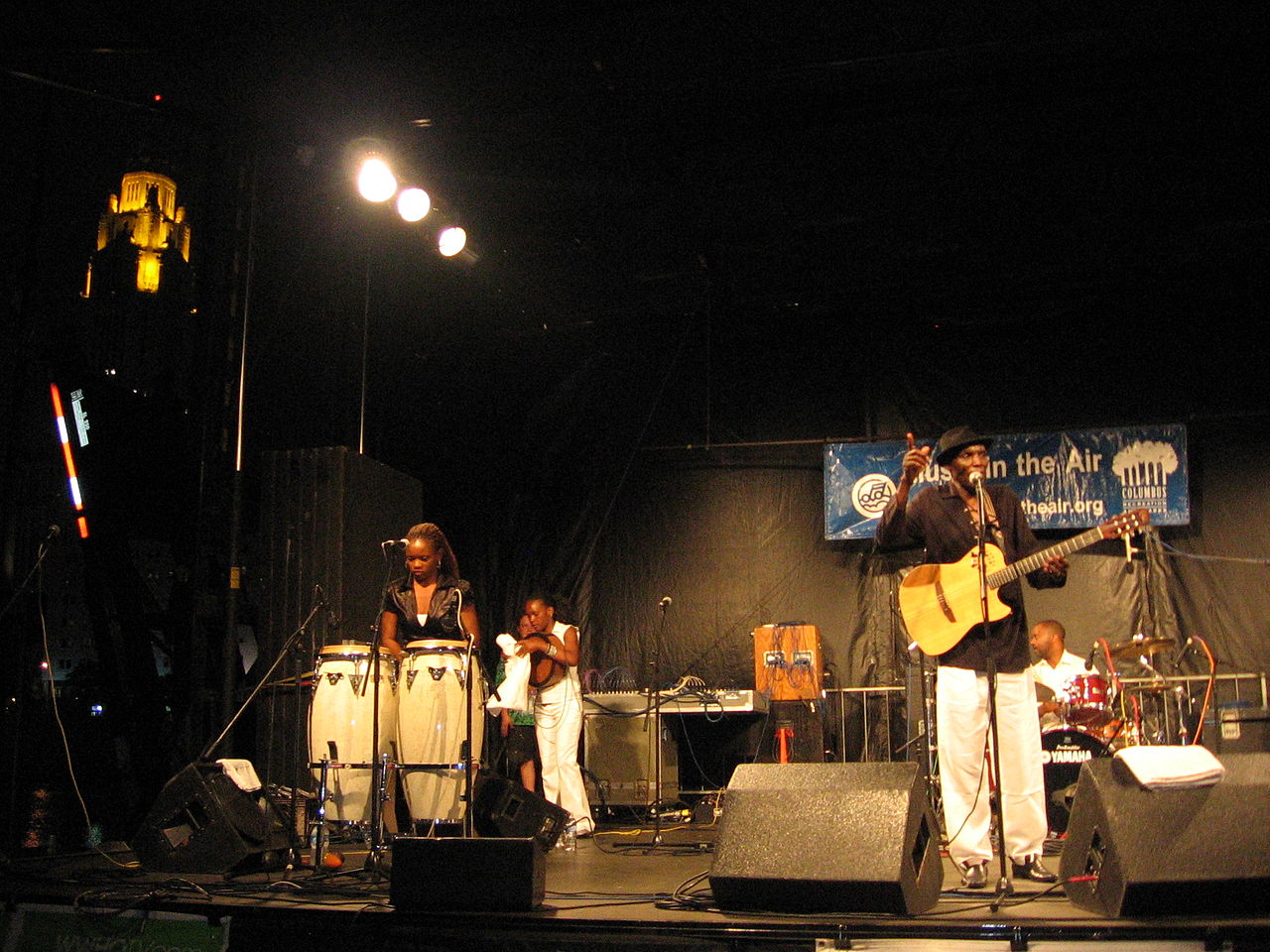
Oliver Mtukudzi’s music, known as “Tuku Music,” blended various African musical styles and was characterized by its unique, soulful sound. His husky, gravelly voice became one of the most recognizable in Zimbabwe and beyond. He performed in Shona, Ndebele, and English, often using his platform to express messages of peace, tolerance, and unity. A member of the KoreKore group in Zimbabwe, Mtukudzi’s music reflected both the struggles and the triumphs of his people.
His social commentary often addressed critical issues such as gender equality, the hardships of women and children, and the need for political and social change. These themes were woven into his music, making him not just an entertainer, but an advocate for change.
Social Commentary
Before Zimbabwe’s independence, Mtukudzi’s music focused on the plight of black Zimbabweans living under the oppressive rule of the white minority government. After independence, his music continued to inspire people, calling for national unity, tolerance, and peace. He also highlighted the importance of social justice and often sang about the struggles of women and children.
Mtukudzi’s music transcended borders, reaching listeners throughout Africa and the rest of the world, making him a prominent figure in the global music scene.
Personal Life and Family
Oliver Mtukudzi was the father of six children, born to four different women. He was a grandfather to three. His personal life was touched by tragedy in 2010 when his son, Sam Mtukudzi, a fellow musician, died in a car accident. In 2013, he released Sarawoga as a tribute to his son, with the album reflecting his grief and loss.
His daughter, Selmor Mtukudzi, followed in his footsteps, becoming a musician in her own right and working closely with UNICEF.
Mtukudzi’s personal life was shaped by both joy and sorrow, but through it all, he remained committed to his music and his mission to promote positive social change.
Death
Oliver Mtukudzi passed away on 23 January 2019 at the age of 66, after a long battle with diabetes mellitus. He died at Avenues Clinic in Harare, Zimbabwe. His passing was a great loss to the music world and to the many people who were touched by his music and advocacy.
Discography
Oliver Mtukudzi’s discography is extensive, and he released numerous albums throughout his career. His music spanned a wide range of themes, from personal loss and grief to political and social commentary. Here is a comprehensive list of his albums:
Studio Albums:
- 1978 – Ndipeiwo Zano (re-released 2000)
- 1979 – Chokwadi Chichabuda
- 1979 – Muroi Ndiani?
- 1980 – Africa (re-released 2000)
- 1981 – Shanje
- 1981 – Pfambi
- 1982 – Maungira
- 1982 – Please Ndapota
- 1983 – Nzara
- 1983 – Oliver’s Greatest Hits
- 1984 – Hwema Handirase
- 1985 – Mhaka
- 1986 – Gona
- 1986 – Zvauya Sei?
- 1987 – Wawona
- 1988 – Nyanga Nyanga
- 1988 – Strange, Isn’t It?
- 1988 – Sugar Pie
- 1989 – Grandpa Story
- 1990 – Chikonzi
- 1990 – Pss Pss Hallo!
- 1990 – Shoko
- 1991 – Mutorwa
- 1992 – Rombe
- 1992 – Rumbidzai Jehova
- 1992 – Neria soundtrack
- 1993 – Son of Africa
- 1994 – Ziwere MuKobenhavn
- 1995 – Was My Child
- 1995 – The Other Side: Live in Switzerland
- 1995 – Ivai Navo
- 1997 – Ndega Zvangu (re-released 2001)
- 1997 – Chinhambwe
- 1998 – Dzangu Dziye
- 1999 – Tuku Music
- 2000 – Paivepo
- 2001 – Neria
- 2001 – Bvuma (“Tolerance”)
- 2002 – Shanda soundtrack
- 2002 – Vhunze Moto
- 2003 – Shanda
- 2003 – Tsivo (“Revenge”)
- 2004 – Greatest Hits Tuku Years
- 2004 – Mtukudzi Collection 1991–1997
- 2004 – Mtukudzi Collection 1984–1991
- 2005 – Nhava
- 2006 – Wonai
- 2007 – Tsimba Itsoka
- 2008 – Dairai (Believe)
- 2010 – Rudaviro
- 2010 – Kutsi Kwemoyo (compilation)
- 2011 – Rudaviro
- 2011 – Abi’angu (“Duets of My Time”)
- 2012 – Sarawoga
- 2014 – Mukombe Wemvura
- 2016 – God Bless You – The Gospel Collection
- 2016 – Eheka! Nhai Yahwe
- 2018 – Hany’a (“Concern”)
Contributing Artist:
- 1996 – The Rough Guide to the Music of Zimbabwe (World Music Network)
- 1999 – Unwired: Acoustic Music from Around the World (World Music Network)
- 2000 – Unwired: Africa (World Music Network)
Filmography
Oliver Mtukudzi also made significant contributions to the film industry, both in acting and music composition:
- 1990 – Jit (Directed by Michael Raeburn)
- 1993 – Neria (Directed by Goodwin Mawuru, written by Tsitsi Dangarembga)
- 2002 – Shanda (Directed by John and Louise Riber)
- 2009 – Sarawoga (Written by Elias C. Machemedze, directed by Watson Chidzomba)
- 2012 – Nzou NeMhuru Mudanga (Live recording DVD)
- 2021 – Neria 21 (New release by Rawsoot Studios)
Awards and Recognition
Over the course of his career, Oliver Mtukudzi received numerous accolades, including:
- Honorary Degree – University of Zimbabwe (2003)
- M-Net Best Soundtrack Award – Neria (1992)
- Honorary Doctorate of Humane Letters (DHL) – The Institute of Philanthropy (2014)
- Best Southern African Male Artist – KORA Music Awards (2003)
- Lifetime Achievement Award – KORA Music Awards (2003)
Legacy
Oliver Mtukudzi left an indelible mark on Zimbabwean music and African culture at large. His distinctive voice, socially conscious lyrics, and unique fusion of musical styles made him one of Africa’s most influential musicians. Through his music and advocacy, he touched millions of lives, and his legacy as a philanthropist, human rights activist, and musician continues to inspire future generations.
- “Oliver Mtukudzi and the Black Spirits, Zimbabwe Music Guide”. Archived from the original on 28 August 2007. Retrieved 3 September 2007.
- “Tuku serenades Chivayo’s marriage ceremony guests”. The Herald. Retrieved 10 January 2017.
- “Mtukudzi buried in his home village”. 27 January 2019. Retrieved 29 January 2019.
- “Oliver Mtukudzi and his ‘talking guitar’ was our gift from Zimbabwe to the world”. Quartz Africa. 26 January 2019.
- Muzari, Godwin (9 March 2016). “Sam Mtukudzi did much in less time”. The Herald. Retrieved 30 May 2024.
- “Zimbabwean music legend Oliver Mtukudzi has died”. CNN. 23 January 2019. Retrieved 24 January 2019.
- “Oliver Mtukudzi’s son dies in car crash”. Times LIVE. 15 March 2010. Retrieved 30 June 2012.
- Nyathi, Kholwani. “Selmor keeps Mtukudzi’s UNICEF legacy alive”. UNICEF ZIMBABWE. Retrieved 1 June 2024.
- “Music legend Oliver Mtukudzi’s guitar strums silenced in diabetes battle”. Nairobi News. 23 January 2019. Retrieved 23 January 2019.
- “Tuku debuts double album on UK tour”. New Zimbabwe. 13 July 2010. Retrieved 2 August 2010.[dead link]
- Review of Shanda movie at Dandamutande
- “Mtukudzi, Ringo expected for UK concerts”. New Zimbabwe.com. 11 October 2006. Archived from the original on 27 September 2007.
- Oliver Mtukudzi:Biography, Sheer Sound
- “Mtukudzi receives honorary doctorate”. The Herald. Retrieved 15 May 2023.
- “allAfrica.com: Zimbabwe: Tuku Wins Big At Kora Awards”. Archived from the original on 22 June 2004. Retrieved 17 July 2025.