National Parks in Kenya are among the country’s greatest natural treasures. They protect wildlife, forests, wetlands, mountains, lakes, marine ecosystems, savannahs, deserts, and some of the most dramatic landscapes in Africa. For both local and international travelers, these parks and reserves form the heart of Kenya’s safari identity.
Kenya is one of the world’s most respected safari destinations because it offers extraordinary variety. A traveler can watch elephants beneath Mount Kilimanjaro in Amboseli, see lions on the Maasai Mara plains, explore the red-earth wilderness of Tsavo, visit rhinos in Lake Nakuru, walk through Hell’s Gate, discover marine life in Watamu, or experience the quiet forests of Kakamega and Mount Elgon.
That diversity makes Kenya a true wildlife theatre.
Why National Parks in Kenya Matter
National Parks in Kenya matter because they protect the landscapes and wildlife that define the country’s natural heritage.
Kenya has savannah plains, semi-arid lands, highlands, forests, wetlands, lakes, rivers, and a rich coastal strip. Each environment supports different species and creates different travel experiences.
The supplied source notes that Kenya has more than sixty national parks, reserves, and game sanctuaries covering about 11% of the country’s land surface. These protected areas help conserve wildlife and give visitors access to some of the most important natural landscapes in East Africa.
read Also: Luxury Lodges in Kenya: Complete Guide
Kenya’s Landscape Diversity
Kenya’s environments are sharply varied.
The country includes:
Savannah plains
Semi-arid landscapes
Highlands
Forests
Wetlands
Lakes
Marine parks
Coastal ecosystems
Mountain regions
River valleys
This contrast explains why Kenya has such a wide range of national parks and reserves.
A Safari Country
Kenya is built for safari travel.
The country’s parks and reserves are spread across different regions, making it possible to design many kinds of safari itineraries. Some parks are ideal for big cats. Others are best for elephants, birds, rhinos, primates, marine life, mountains, or remote wilderness.
This variety is one of Kenya’s biggest tourism strengths.
Kenya’s Protected Areas and Conservation System
Protected areas in Kenya are managed through different institutions.
Kenya Wildlife Service manages many national parks and wildlife conservation areas, while Kenya Forest Service manages forest reserves. County governments also play important roles in some reserves.
The supplied source notes that KWS areas account for about 8% of the country, while forest reserves account for about 3%.
Wildlife Inside and Outside Parks
One important conservation point is that wildlife is not found only inside parks and reserves.
The source notes that a large share of Kenya’s wildlife resources is found outside national parks and reserves. This means conservation must go beyond protected boundaries.
Wildlife corridors, community lands, private conservancies, ranches, forests, wetlands, and pastoral landscapes all matter.
Why Conservation Outside Parks Matters
Animals move.
Elephants, wildebeest, zebras, giraffes, predators, and many other species need space beyond formal park borders. If migration corridors and dispersal areas are blocked, wildlife populations can suffer.
That is why Kenya’s conservation future depends on parks, reserves, conservancies, communities, and private landowners working together.
Kenya’s Biodiversity
Kenya is endowed with tremendous biodiversity.
The supplied source lists about 2,500 animal species, including birds, mammals, reptiles, freshwater fish, marine and brackish fish, and amphibians. It also notes thousands of vascular plant species, fungi, and bacteria.
This biological richness is one of the reasons Kenya is globally important for conservation.
Wildlife Diversity
Kenya’s wildlife includes:
Lions
Elephants
Leopards
Rhinos
Buffaloes
Giraffes
Zebras
Cheetahs
Hippos
Crocodiles
Antelopes
Primates
Reptiles
Marine life
Birds
This range allows parks and reserves to offer very different experiences.
Birdlife
Kenya is one of Africa’s great birding destinations.
The country’s lakes, wetlands, forests, coast, mountains, savannahs, and drylands support a remarkable variety of bird species.
Birdwatchers can explore Lake Baringo, Lake Bogoria, Lake Nakuru, Kakamega, Arabuko-Sokoke, Saiwa Swamp, Mida Creek, Mount Kenya, and many other areas.
Endemic and Threatened Species
The source also notes that Kenya has endemic plant, mammal, and bird species, as well as threatened and endangered wildlife.
This makes conservation urgent.
Protected areas are not only tourist attractions. They are survival spaces for species under pressure from habitat loss, climate stress, poaching, human-wildlife conflict, and land-use change.
History of National Parks in Kenya
The history of national parks in Kenya is closely tied to wildlife protection, colonial administration, hunting, land use, tourism, and changing conservation ideas.
Before formal protected areas, many local communities lived alongside wildlife and used natural resources through traditional systems. Wildlife was part of life, culture, food systems, movement, and local landscapes.
The rise of big-game hunting, ivory trade, poaching, and colonial control increased pressure on wildlife and helped drive formal conservation laws.
The National Parks Ordinance of 1945
In 1945, the government passed the National Parks Ordinance, which created the legal foundation for establishing protected areas.
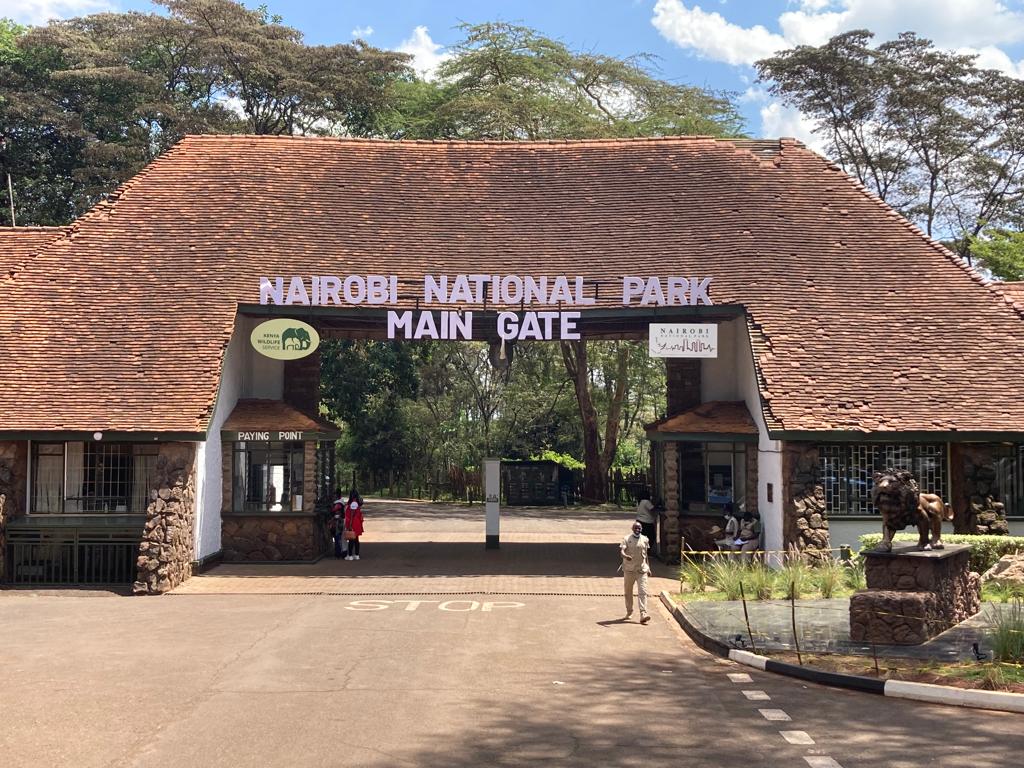
This led to the creation of Nairobi Royal Park in 1945, now Nairobi National Park.
Nairobi National Park became Kenya’s first national park and remains one of the world’s most unusual protected areas because it sits beside a major capital city.
Conservation Institutions
By 1956, Kenya had different institutions responsible for wildlife and protected areas.
The Game Department handled game matters. Trustees of the National Parks managed national parks. Forest reserves were under the Forest Department.
The Wildlife Management Act of 1976 later sought to bring wildlife-related institutions under a more unified framework.
From Hunting to Conservation Tourism
Kenya’s conservation story includes a shift from big-game hunting culture to wildlife photography, safari tourism, scientific conservation, and community-linked protection.
Today, the value of wildlife is increasingly tied to tourism, biodiversity, climate resilience, conservation finance, and national identity.
National Park vs National Reserve in Kenya
The difference between a national park and a national reserve is partly historical.
A national park is usually more strictly protected and managed by the national government. Other land uses are generally not permitted.
A national reserve may allow some controlled local use and is often managed by county governments. In some reserves, limited grazing or community access may be part of the management system.
National Parks
National parks are primarily set aside for wildlife conservation, tourism, research, education, and ecosystem protection.
Examples include:
Nairobi National Park
Amboseli National Park
Tsavo East National Park
Tsavo West National Park
Lake Nakuru National Park
Meru National Park
Aberdare National Park
Mount Kenya National Park
Hell’s Gate National Park
Mount Longonot National Park
Mount Elgon National Park
National Reserves
National reserves are also protected areas, but they may have different management rules depending on local history and governance.
Examples include:
Maasai Mara National Reserve
Samburu National Reserve
Buffalo Springs National Reserve
Shaba National Reserve
Shimba Hills National Reserve
Lake Bogoria National Reserve
Mwea National Reserve
Boni National Reserve
Kora and Tana-related reserves
Sanctuaries and Marine Parks
Kenya also has sanctuaries and marine protected areas.
These protect specific habitats, species, coastlines, reefs, islands, wetlands, or local wildlife populations.
Examples include:
Kisumu Impala Sanctuary
Malaba Sanctuary
Watamu Marine National Park
Malindi Marine Reserve
Mombasa Marine National Reserve and Park
Kisite-Mpunguti Marine National Park and Reserve
Kiunga Marine National Reserve
Diani-Chale Marine National Reserve
Best National Parks in Kenya for Safari
Kenya has many protected areas, but some parks and reserves are especially popular for safari.
Read Also: KWS Mbugani Homes: Complete Guide
Maasai Mara National Reserve
The Maasai Mara is Kenya’s most famous safari destination.
It is known for lions, cheetahs, leopards, elephants, buffaloes, wildebeest, zebras, open plains, Maasai culture, and the Great Migration.
It is ideal for first-time safari travelers, photographers, honeymooners, wildlife lovers, and visitors seeking the classic African safari.
Amboseli National Park
Amboseli is famous for elephants and views of Mount Kilimanjaro.
It is one of the best places in Africa to photograph elephants against a mountain backdrop.
Amboseli is ideal for families, photographers, elephant lovers, and short safaris from Nairobi.
Tsavo East National Park
Tsavo East is one of Kenya’s largest and most dramatic parks.
It is known for red elephants, open plains, rugged wilderness, dry riverbeds, and a powerful sense of space.
It is ideal for travelers combining safari with the coast.
Tsavo West National Park
Tsavo West offers volcanic landscapes, Mzima Springs, hills, lava flows, rhino sanctuary areas, birdlife, and scenic safari drives.
It is more varied in terrain than Tsavo East and suits travelers who enjoy dramatic landscapes.
Lake Nakuru National Park
Lake Nakuru is known for rhinos, Rothschild’s giraffes, buffaloes, birds, lake views, and scenic viewpoints.
It is one of Kenya’s most accessible parks and is ideal for short safaris.
Samburu National Reserve
Samburu offers a northern Kenya safari experience.
It is known for dryland wildlife, river scenery, Samburu culture, elephants, big cats, and unique species such as Grevy’s zebra, reticulated giraffe, Somali ostrich, beisa oryx, and gerenuk.
Meru National Park
Meru National Park offers rivers, wilderness, rhinos, elephants, lions, birds, and a quieter safari experience.
It suits travelers who want less crowded parks.
Nairobi National Park
Nairobi National Park is unique because it sits beside Kenya’s capital city.
Visitors can see wildlife with Nairobi’s skyline in the background. It is ideal for short safaris, layovers, residents, school trips, and first-time wildlife experiences.
Forest, Mountain, and Highland Parks
Kenya’s parks are not only savannahs.
Some of the country’s most beautiful protected areas are forests, mountains, wetlands, and highland landscapes.
Mount Kenya National Park
Mount Kenya National Park protects Africa’s second-highest mountain and surrounding alpine ecosystems.
It is ideal for hikers, climbers, nature lovers, birdwatchers, and travelers seeking dramatic mountain scenery.
Aberdare National Park
Aberdare National Park is known for forests, waterfalls, moorlands, elephants, buffaloes, leopards, and cool highland landscapes.
It offers a very different safari experience from the open savannah.
Mount Elgon National Park
Mount Elgon National Park offers caves, forests, elephants, waterfalls, hiking trails, and mountain scenery.
It is one of western Kenya’s most underrated protected areas.
Kakamega National Reserve
Kakamega National Reserve protects part of Kenya’s famous tropical rainforest landscape.
It is important for birds, butterflies, primates, forest plants, and quiet nature experiences.
Arabuko-Sokoke Forest Reserve
Arabuko-Sokoke is one of Kenya’s most important coastal forests.
It is known for rare birds, butterflies, forest elephants, and coastal biodiversity.
Lakes, Wetlands, and Rift Valley Protected Areas
Kenya’s lakes and wetlands are vital for birds, fish, hippos, crocodiles, local livelihoods, and tourism.
Lake Bogoria National Reserve
Lake Bogoria is famous for hot springs, geysers, flamingos, birds, and dramatic Rift Valley scenery.
It is ideal for birdwatchers, photographers, and visitors interested in geothermal landscapes.
Lake Baringo National Reserve
Lake Baringo is known for birdlife, boat trips, islands, fish eagles, crocodiles, hippos, and cultural experiences.
It is one of Kenya’s best birding destinations.
Lake Kamnarok National Reserve
Lake Kamnarok is part of the Kerio Valley landscape and is important for wetlands, birdlife, and scenic conservation.
Saiwa Swamp National Park
Saiwa Swamp is Kenya’s smallest national park and is famous for the rare sitatunga antelope.
It is best explored on foot through boardwalks and walking trails.
Ndere Island National Park
Ndere Island National Park lies in Lake Victoria and offers island scenery, birdlife, lake views, and a peaceful western Kenya experience.
Marine National Parks and Reserves in Kenya
Kenya’s marine parks protect coral reefs, fish, dolphins, turtles, mangroves, seagrass beds, and coastal biodiversity.
They show that safari in Kenya can include the ocean as well as land.
Watamu Marine National Park
Watamu Marine National Park is one of Kenya’s best-known marine protected areas.
It is popular for snorkeling, glass-bottom boat trips, marine life, coral reefs, and coastal tourism.
Malindi Marine Reserve
Malindi Marine Reserve protects coral reef and marine ecosystems near Malindi.
It is suitable for ocean lovers, divers, and coastal visitors.
Mombasa Marine National Reserve and Park
Mombasa Marine National Reserve and Park protects reefs and marine life along one of Kenya’s busiest coastal tourism areas.
It supports snorkeling, diving, education, and marine conservation.
Kisite-Mpunguti Marine National Park and Reserve
Kisite-Mpunguti is one of Kenya’s most beautiful marine destinations.
It is known for dolphins, coral reefs, snorkeling, diving, and dhow excursions from the Shimoni area.
Kiunga Marine National Reserve
Kiunga protects remote northern coastal and island ecosystems near Lamu.
It is important for marine biodiversity, islands, mangroves, and turtle conservation.
Remote and Lesser-Known National Parks in Kenya
Some of Kenya’s most interesting protected areas are far from the main tourist routes.
They offer solitude, unusual landscapes, and a deeper sense of exploration.
Sibiloi National Park
Sibiloi National Park lies near Lake Turkana and is known for desert landscapes, fossils, archaeology, and remote wilderness.
It is ideal for adventurous travelers and those interested in human origins.
Marsabit National Park and Reserve
Marsabit protects forests, crater lakes, elephants, birds, and dryland landscapes in northern Kenya.
It offers a unique contrast between green highland forest and surrounding arid lands.
Malka Mari National Park
Malka Mari is one of Kenya’s most remote parks, located in Mandera County.
It appeals to adventurous travelers interested in frontier landscapes.
Read Also: Popular Resorts in Kenya: Complete Guide
Kora National Park
Kora National Park is associated with wilderness, rivers, dry landscapes, and conservation history.
It is less visited but important within Kenya’s protected area network.
South Turkana Reserve
South Turkana Reserve protects dryland landscapes and wildlife in northwestern Kenya.
It is suitable for specialist and adventurous travel.
National Parks in Kenya by County
Kenya’s protected areas are spread across many counties.
The following index groups parks, reserves, sanctuaries, forests, and marine areas by county.
Index of National Parks and Reserves in Kenya
Baringo County
Lake Baringo National Reserve
Lake Bogoria National Reserve
Kerio Valley National Reserve
Lake Kamnarok National Reserve
Bomet County
South Western Mau National Reserve
Busia County
Malaba Sanctuary
Elgeyo-Marakwet County
Rimoi National Reserve
Embu County
Mount Kenya National Park
Irangi Forest Station
Mwea National Reserve
Garissa County
Bour-Algi Giraffe Sanctuary
Rahole National Reserve
Arawale National Reserve
Boni National Reserve
Homa Bay County
Ruma National Park
Isiolo County
Bisanadi National Reserve
Buffalo Springs National Reserve
Shaba National Reserve
Kajiado County
Amboseli National Park
Kakamega County
Kakamega National Reserve
Kilifi County
Arabuko-Sokoke Forest Reserve
Watamu Marine National Park
Malindi Marine Reserve
Kisumu County
Kisumu Impala Sanctuary
Ndere Island National Park
Kitui County
Mwingi National Reserve
South Kitui National Reserve
Kwale County
Shimba Hills National Reserve
Diani-Chale Marine National Reserve
Kisite-Mpunguti Marine National Park and Reserve
Lamu County
Dodori National Reserve
Kiunga Marine National Reserve
Machakos County
Ol Donyo Sabuk National Park
Makueni County
Chyulu Hills National Park
Ngai Ndethya National Reserve
Mandera County
Malka Mari National Park
Marsabit County
Losai National Reserve
South Island National Park
Marsabit National Park and Reserve
Sibiloi National Park
Meru County
Meru National Park
Mombasa County
Mombasa Marine National Reserve and Park
Nairobi County
Nairobi National Park
Nakuru County
Mount Longonot National Park
Crescent Island Sanctuary
Hell’s Gate National Park
Lake Nakuru National Park
Nandi County
Bonjoge National Reserve
Narok County
Maasai Mara National Reserve
Nyeri County
Aberdare National Park
Samburu County
Samburu National Reserve
Maralal National Reserve
Siaya County
Lake Kanyaboli Reserve
Tana River County
Kora National Park
Tana Primate National Reserve
Taita-Taveta County
Tsavo East National Park
Tsavo West National Park
Tharaka Nithi County
Mutejwa National Reserve
Trans Nzoia County
Mount Elgon National Park
Saiwa Swamp National Park
Turkana County
Central Island Reserve
South Turkana Reserve
West Pokot County
Nasolot National Reserve
How to Choose the Best National Park in Kenya
Choosing the best park depends on what you want to see and experience.
Choose Maasai Mara for Big Cats and Migration
The Maasai Mara is ideal for lions, cheetahs, leopards, wildebeest migration, open plains, and classic safari photography.
Choose Amboseli for Elephants
Amboseli is the best choice for elephant viewing and Mount Kilimanjaro scenery.
Choose Tsavo for Wilderness
Tsavo East and Tsavo West are ideal for travelers who want large landscapes, red elephants, volcanic scenery, and a safari route that connects well with the coast.
Choose Samburu for Northern Species
Samburu is ideal for dryland wildlife, unique species, culture, and dramatic river landscapes.
Read Also: KWS Mbugani Homes: Complete Guide
Choose Lake Nakuru for Rhinos
Lake Nakuru is one of Kenya’s best short-safari destinations and a strong choice for rhino viewing.
Choose Mount Kenya or Aberdare for Cool Forests
Mount Kenya and Aberdare are best for forests, waterfalls, hiking, mountain scenery, and cool weather.
Choose Marine Parks for Ocean Safari
Watamu, Malindi, Mombasa, Kisite-Mpunguti, Kiunga, and Diani-Chale are ideal for snorkeling, diving, reefs, dolphins, turtles, and coastal biodiversity.
Best National Parks in Kenya for Different Travelers
Best for First-Time Visitors
Maasai Mara
Amboseli
Lake Nakuru
Nairobi National Park
Tsavo East
Tsavo West
Best for Families
Nairobi National Park
Lake Nakuru
Amboseli
Hell’s Gate
Tsavo
Mombasa Marine Park
Best for Photographers
Maasai Mara
Amboseli
Samburu
Lake Bogoria
Lake Nakuru
Tsavo
Mount Kenya
Best for Birdwatchers
Lake Baringo
Lake Bogoria
Lake Nakuru
Kakamega
Arabuko-Sokoke
Saiwa Swamp
Watamu Marine area
Best for Hikers
Mount Kenya
Mount Longonot
Hell’s Gate
Aberdare
Mount Elgon
Chyulu Hills
Best for Marine Life
Watamu Marine National Park
Malindi Marine Reserve
Mombasa Marine Park
Kisite-Mpunguti Marine Park and Reserve
Kiunga Marine National Reserve
Diani-Chale Marine National Reserve
Best for Remote Adventure
Sibiloi
Marsabit
Malka Mari
Kora
South Turkana
Nasolot
Tips for Visiting National Parks in Kenya
Plan Around the Season
Dry seasons are generally better for wildlife viewing because animals gather near water and vegetation is thinner.
Rainy seasons can be beautiful, green, and good for birding, but some roads may become difficult.
Choose the Right Vehicle
Some parks require strong vehicles, especially during wet seasons or in remote areas.
A 4×4 is recommended for many safari destinations.
Use a Knowledgeable Guide
A good guide improves the safari experience.
Guides understand animal behaviour, park roads, safety, birds, tracks, and the best times to explore.
Respect Wildlife
Keep a safe distance from animals.
Do not feed wildlife.
Do not shout at animals.
Do not block animal movement.
Do not leave your vehicle unless allowed.
Do not litter.
Follow Park Rules
Park rules protect visitors, animals, and landscapes.
Respect speed limits, designated roads, entry times, exit times, and ranger instructions.
Read Also: Camping in Kenya: Complete Guide
Carry Essentials
Useful items include:
Water
Snacks
Camera
Binoculars
Sunscreen
Hat
Warm layer
Insect repellent
Power bank
First-aid kit
Park booking details
Frequently Asked Questions About National Parks in Kenya
What are National Parks in Kenya?
National Parks in Kenya are protected areas set aside for wildlife conservation, tourism, research, education, and ecosystem protection.
How many national parks and reserves does Kenya have?
The supplied source notes that Kenya has more than sixty national parks, reserves, and game sanctuaries.
What is the most famous national reserve in Kenya?
The Maasai Mara National Reserve is Kenya’s most famous reserve and one of Africa’s leading safari destinations.
What is the first national park in Kenya?
Nairobi National Park, originally Nairobi Royal Park, was established in 1945 as Kenya’s first national park.
What is the difference between a national park and a national reserve?
A national park is generally more strictly protected and managed by the national government. A national reserve may allow limited local use and is often managed by county governments.
Which national park is best for elephants in Kenya?
Amboseli National Park is one of the best places for elephant viewing, especially with Mount Kilimanjaro in the background.
Which national park is best for rhinos in Kenya?
Lake Nakuru National Park is one of the best-known rhino-viewing destinations in Kenya.
Does Kenya have marine national parks?
Yes. Kenya has marine parks and reserves, including Watamu, Malindi, Mombasa, Kisite-Mpunguti, Kiunga, and Diani-Chale.
Key Takeaways
National Parks in Kenya protect wildlife, landscapes, forests, mountains, lakes, wetlands, and marine ecosystems.
Kenya has more than sixty national parks, reserves, and sanctuaries.
Protected wildlife areas are managed mainly by Kenya Wildlife Service, while forest reserves are managed by Kenya Forest Service.
Nairobi National Park was Kenya’s first national park.
Maasai Mara is Kenya’s most famous safari reserve.
Amboseli is best known for elephants and Mount Kilimanjaro views.
Tsavo East and Tsavo West form one of Kenya’s largest and most dramatic safari regions.
Kenya’s marine parks protect reefs, fish, turtles, dolphins, and coastal biodiversity.
Many wildlife resources exist outside protected areas, making community conservation important.
Conclusion
National Parks in Kenya are more than tourist attractions. They are living landscapes that protect wildlife, preserve biodiversity, support local economies, and define Kenya’s global safari identity.
From the plains of Maasai Mara to the elephants of Amboseli, the red wilderness of Tsavo, the rhinos of Lake Nakuru, the forests of Aberdare, the peaks of Mount Kenya, and the reefs of Watamu, Kenya’s protected areas offer extraordinary variety.
They also tell a deeper story.
They show how conservation has evolved from colonial-era game laws to modern wildlife protection, tourism, community conservancies, marine conservation, and biodiversity management. They remind visitors that wildlife survival depends not only on parks but also on corridors, communities, forests, private lands, and responsible travel.
For travelers, Kenya’s national parks and reserves offer adventure, beauty, learning, and unforgettable encounters with nature.
For the country, they are priceless natural assets.
Protecting them means protecting Kenya’s wildlife, landscapes, water systems, tourism economy, and national heritage for future generations.
Read Also: Safari in Kenya: Complete Guide