KWS Mbugani Homes offer one of the most practical ways to enjoy Kenya’s national parks, reserves, forests, and protected landscapes without paying premium lodge prices. Operated by Kenya Wildlife Service, these self-catering guest houses, cottages, bandas, and lodges give travelers a chance to stay close to nature while keeping safari costs manageable.
For families, groups, photographers, local travelers, students, conservation enthusiasts, and budget-conscious safari lovers, KWS Mbugani Homes provide a different kind of experience. They are not luxury safari camps. They are comfortable, simple, nature-based stays designed for people who want wildlife, scenery, privacy, and affordability.
A stay in a KWS guest house can mean waking up inside a national park, cooking your own meals, watching wildlife nearby, and enjoying quiet evenings away from busy towns. It is safari in comfort, but without the high cost of private lodges.
What Are KWS Mbugani Homes?
KWS Mbugani Homes are self-catering accommodation facilities managed by Kenya Wildlife Service in selected national parks, reserves, and protected areas.
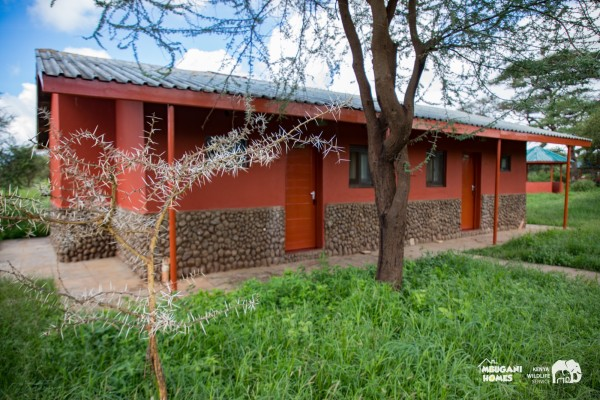
They include guest houses, cottages, bandas, and basic park lodges. Their style varies from one park to another. Some are rustic and simple. Others are more spacious and suitable for families or groups.
The key idea is affordability and access.
Instead of staying outside a park and driving in each day, visitors can stay inside or near protected areas and enjoy a deeper nature experience.
Why They Are Called Mbugani Homes
“Mbugani” is closely associated with the wild, the bush, and open natural spaces. The name fits the purpose of these homes because they are designed for travelers who want to experience Kenya’s wild places more directly.
They offer a home-like base inside nature.
Self-Catering Accommodation
Most KWS Mbugani Homes are rented on self-catering terms.
This means guests bring their own food, drinks, cooking supplies, and personal items. The homes usually provide accommodation space, basic furniture, beds, bathrooms, and kitchen facilities depending on the specific property.
Self-catering helps reduce travel costs and gives families or groups more control over meals.
Why KWS Mbugani Homes Are Popular
KWS Mbugani Homes are popular because they make safari more accessible.
Kenya has some of the best wildlife destinations in Africa, but safari accommodation can be expensive. Private lodges and high-end tented camps may be beyond the budget of many local travelers.
Mbugani Homes help bridge that gap.
They allow more people to experience national parks affordably.
Budget-Friendly Safari Accommodation
The strongest advantage is cost.
Because guests cook for themselves and rent the unit rather than paying per-person luxury lodge rates, the total cost can be lower, especially for families and groups.
Many facilities also offer better value for longer stays because consecutive nights can reduce the average cost.
Family-Friendly Travel
KWS Mbugani Homes are especially useful for families.
Parents can cook familiar meals, children can have more space, and groups can stay together. This makes them attractive for school holidays, family safaris, birthday trips, group tours, and nature weekends.
Privacy and Flexibility
Unlike busy hotels, many KWS homes offer privacy.
Guests can set their own schedule, cook when they want, relax in the compound, and enjoy a quieter safari rhythm.
This flexibility is one of the biggest reasons local travelers choose them.
KWS Mbugani Homes and Kenya’s Protected Areas
Kenya Wildlife Service manages many national parks, marine parks, reserves, sanctuaries, and conservation areas. These protected areas safeguard wildlife, landscapes, forests, marine ecosystems, and important habitats.
KWS Mbugani Homes sit within this broader conservation system.
They give visitors access to protected places while supporting park-based tourism.
Kenya Wildlife Service and Conservation
Kenya Wildlife Service plays a central role in protecting national parks and wildlife areas.
Its work includes wildlife conservation, park management, tourism services, law enforcement, research support, community engagement, visitor safety, and biodiversity protection.
Accommodation inside parks supports tourism revenue, which can help sustain conservation work.
National Parks and National Reserves
Kenya’s protected areas include national parks and national reserves.
A national park is usually managed by the national government and has stricter protection rules. Land use is heavily controlled to protect wildlife and ecosystems.
A national reserve may allow more community or county-linked land use, depending on the area. Some reserves may permit limited grazing or other controlled uses.
In practice, both parks and reserves are important for wildlife conservation and tourism.
Forest Reserves
Forest reserves are managed separately by Kenya Forest Service.
They protect forest ecosystems, water catchments, biodiversity, and natural landscapes. Some KWS guest facilities may be near forest-linked protected areas, but forest reserves and wildlife parks are managed under different institutions.
A Short History of Wildlife Protection in Kenya
Kenya’s conservation history is long and complex.
Before formal colonial-era wildlife laws, many local communities lived alongside wildlife and used natural resources according to traditional systems. Wildlife was part of daily life, culture, food systems, pastoral movement, and landscape identity.
The rise of big-game hunting, ivory trade, commercial exploitation, and colonial land control changed the relationship between people, wildlife, and protected areas.
Early Protected Areas
Formal wildlife protection grew during the colonial period.
In 1945, the National Parks Ordinance helped create the legal foundation for national parks. Nairobi Royal Park, now Nairobi National Park, became Kenya’s first national park.
This marked the beginning of official park-based conservation in Kenya.
Conservation Institutions
By the mid-20th century, different institutions were responsible for wildlife, parks, and forests.
The Game Department managed wildlife matters. Trustees of the National Parks managed national parks. Forest reserves were handled by the Forest Department.
Later reforms sought to bring wildlife conservation under a more unified management structure.
Modern Conservation Challenge
Kenya has rich biodiversity, but wildlife is not found only inside parks.
A large share of wildlife lives outside protected areas, especially in community lands, private conservancies, ranches, forests, wetlands, and migration corridors.
This means conservation must include both protected areas and communities living near wildlife.
Why Stay Inside a National Park?
Staying inside a national park or reserve changes the safari experience.
Instead of rushing in from outside accommodation, guests are already close to the action. Early mornings, late afternoons, and quiet nights become easier to enjoy.
Better Wildlife Access
Wildlife is often most active early in the morning and late in the afternoon.
When staying inside or near a park, guests can begin game drives earlier and return later, depending on park rules.
This improves the chance of seeing wildlife at the best times.
More Immersive Nature Experience
Park accommodation allows guests to hear the sounds of nature at night, watch birds in the morning, and feel more connected to the landscape.
It is less like visiting a park and more like living in it for a short time.
Good for Groups
Self-catering guest houses are ideal for groups because they allow people to share space, cook together, split costs, and create a more social safari experience.
This makes them practical for families, friends, clubs, schools, churches, and travel groups.
What to Expect at KWS Mbugani Homes
KWS Mbugani Homes vary by location, age, size, and park.
Some are simple cottages. Others are larger guest houses. Some are bandas with basic facilities. Guests should check the specific facility before booking.
Accommodation Style
Common types include:
Guest houses
Cottages
Bandas
Simple lodges
Park houses
Self-catering units
Cabins
The style is usually functional rather than luxurious.
Facilities
Facilities may include bedrooms, sitting areas, kitchen spaces, bathrooms, verandas, basic furniture, water supply, and cooking areas.
Guests should not expect resort-style service unless specified.
What Guests Should Bring
Because many KWS Mbugani Homes are self-catering, guests should carry essentials.
Useful items include:
Food
Drinking water
Cooking oil
Snacks
Charcoal or cooking gas where required
Personal toiletries
Warm clothing
Flashlight
Power bank
Insect repellent
First-aid items
Binoculars
Camera
Park entry documents
Always confirm what is provided before travel.
Best Travelers for KWS Mbugani Homes
KWS Mbugani Homes are not for everyone, but they are excellent for the right traveler.
They are best for people who value nature, affordability, independence, and simple comfort.
Families
Families benefit from space, shared accommodation, and self-catering flexibility.
Children can experience parks in a more relaxed way, while parents manage meals and schedules.
Groups
Groups can reduce costs by sharing accommodation.
This makes KWS homes good for friends, photography groups, hiking groups, nature clubs, school trips, and church groups.
Budget Safari Travelers
Travelers who want safari experiences without luxury lodge prices will find Mbugani Homes useful.
They offer a practical middle ground between camping and high-end lodges.
Photographers and Birdwatchers
Photographers and birders often prefer staying close to nature.
A park-based guest house can make early-morning outings easier.
Local Travelers
For Kenyan residents, KWS Mbugani Homes are a strong option for affordable domestic tourism.
They make national parks more accessible for ordinary families and groups.
KWS Mbugani Homes by Region
Kenya has KWS self-catering homes across different regions, from Ruma National Park to Tsavo West, Meru, Mount Kenya, Aberdare, Lake Nakuru, and Mount Elgon.
Each region offers a different experience.
Western Kenya KWS Mbugani Homes
Western Kenya has some of the most underrated nature destinations in the country.
These include Ruma National Park, Kakamega Forest, Saiwa Swamp, and Mount Elgon.
Oribi Guest House: Ruma National Park
Oribi Guest House is located in Ruma National Park, Homa Bay County.
Ruma is one of Kenya’s less crowded national parks and is known for open grasslands, roan antelope, birdlife, and quiet landscapes.
Oribi Guest House is ideal for travelers seeking a peaceful western Kenya safari away from the main tourist routes.
Isukuti Guest House: Kakamega National Forest
Isukuti Guest House serves visitors exploring Kakamega National Forest.
Kakamega is famous for forest biodiversity, birds, butterflies, primates, and lush scenery.
This stay is suitable for birdwatchers, nature lovers, researchers, and travelers interested in Kenya’s only remaining tropical rainforest landscape.
Udo Guest House: Kakamega National Forest
Udo Guest House is another useful accommodation option for visitors to Kakamega National Forest.
It offers access to forest trails, birding, and a cooler nature retreat.
Koitoboss Guest House: Mount Elgon National Park
Koitoboss Guest House is located in Mount Elgon National Park, Trans Nzoia County.
Mount Elgon is known for caves, forests, elephants, hiking, birdlife, and mountain scenery.
This guest house is ideal for hikers, nature travelers, and visitors seeking a less crowded mountain park.
Kapkuro Bandas: Mount Elgon National Park
Kapkuro Bandas offer simpler accommodation for travelers visiting Mount Elgon National Park.
They are suitable for budget visitors, hikers, and small groups.
Tree Top Hut: Saiwa Swamp National Park
Tree Top Hut is located in Saiwa Swamp National Park, Trans Nzoia County.
Saiwa Swamp is Kenya’s smallest national park and is known for the sitatunga antelope, wetland scenery, birdlife, and walking trails.
Tree Top Hut is ideal for travelers seeking a quiet and unusual park experience.
Coastal KWS Mbugani Homes
The coast has marine parks, forests, hills, beaches, reefs, and islands.
KWS self-catering accommodation in this region gives visitors access to marine and coastal conservation areas.
Shimoni Cottages: Kisite-Mpunguti Marine Park and Reserve
Shimoni Cottages are located near Kisite-Mpunguti Marine Park and Reserve in Kwale County.
This area is famous for coral reefs, dolphins, snorkeling, diving, dhow trips, and marine biodiversity.
Shimoni Cottages are ideal for travelers who want a budget-friendly coastal stay close to marine adventures.
Sable Cottages: Shimba Hills National Reserve
Sable Cottages are located in Shimba Hills National Reserve.
Shimba Hills offers forest, grassland, elephants, sable antelope, waterfalls, and cool coastal highland scenery.
These cottages are ideal for travelers who want a quiet nature stay near the coast but away from beach crowds.
Northern Kenya KWS Mbugani Homes
Northern Kenya offers desert landscapes, lakes, fossils, remote parks, and dramatic scenery.
Alia Bay Guest House: Sibiloi National Park
Alia Bay Guest House is located in the Sibiloi region of Marsabit County.
Sibiloi National Park lies near Lake Turkana and is known for archaeology, fossils, desert landscapes, and remote wilderness.
This is one of the most adventurous KWS guest house experiences.
Sibiloi Guest House: Sibiloi National Park
Sibiloi Guest House also serves travelers exploring Sibiloi National Park.
It is suitable for researchers, adventurous travelers, overland groups, and visitors interested in Kenya’s prehistoric heritage and remote northern landscapes.
Meru and Mount Kenya KWS Mbugani Homes
Meru and Mount Kenya offer very different experiences.
Meru National Park is a classic wildlife destination with rivers, wilderness, and historical safari appeal. Mount Kenya offers forests, alpine scenery, hiking, and mountain access.
Murera Cottage: Meru National Park
Murera Cottage is located in Meru National Park.
Meru is known for elephants, lions, rhinos, rivers, birds, and beautiful wilderness landscapes.
Murera Cottage is suitable for families, groups, and travelers who want self-catering safari accommodation inside a quieter national park.
Murera Guest House: Meru National Park
Murera Guest House offers another self-catering option in Meru National Park.
It is ideal for group safaris, nature travel, and visitors who want to experience Meru without staying in high-end lodges.
Kinna Cottages: Meru National Park
Kinna Cottages serve visitors exploring Meru National Park from the Kinna side.
They offer practical accommodation for park-based safaris and wildlife viewing.
Kinna Guest House: Meru National Park
Kinna Guest House is suitable for travelers who want a self-catering base in Meru National Park.
It works well for groups, families, and budget-conscious safari travelers.
Batian Guest House: Mount Kenya National Park
Batian Guest House is located in Mount Kenya National Park.
It is suitable for mountain visitors, hikers, nature lovers, and travelers seeking cool weather and forest access.
Sirimon Cottage: Mount Kenya National Park
Sirimon Cottage serves visitors using the Sirimon side of Mount Kenya.
It is ideal for hikers, mountain travelers, and visitors seeking a quiet stay near one of Kenya’s most iconic landscapes.
Nakuru and Aberdare KWS Mbugani Homes
Nakuru and Aberdare are two of Kenya’s most accessible park regions.
They are especially useful for weekend trips from Nairobi and central Kenya.
Naishi Guest House: Lake Nakuru National Park
Naishi Guest House is located inside Lake Nakuru National Park.
Lake Nakuru is known for rhinos, birds, lake views, buffaloes, Rothschild’s giraffes, leopards, and scenic viewpoints.
Naishi Guest House is one of the most popular KWS Mbugani Homes because it offers a self-catering stay inside a famous and accessible park.
It is ideal for families, photographers, birdwatchers, and weekend safari travelers.
Fishing Lodge: Aberdare National Park
Fishing Lodge is located in Aberdare National Park, Nyeri County.
The Aberdares are known for forests, waterfalls, cool weather, moorlands, elephants, buffaloes, and mountain scenery.
Fishing Lodge is ideal for travelers seeking a cool-weather retreat, forest atmosphere, and quiet nature experience.
Tsavo West KWS Mbugani Homes
Tsavo West National Park has one of the largest selections of KWS Mbugani Homes.
The park is known for volcanic landscapes, Mzima Springs, elephants, rhinos, lava flows, hills, birds, and views toward Mount Kilimanjaro.
Kamboyo Guest House: Tsavo West National Park
Kamboyo Guest House is one of the key KWS self-catering options in Tsavo West.
It is ideal for families, groups, and travelers seeking a budget-friendly base in one of Kenya’s major parks.
Lake Jipe Cottages: Tsavo West National Park
Lake Jipe Cottages offer access to the Lake Jipe area near the Kenya-Tanzania border.
This area is excellent for birdwatching, scenery, boating, and a quieter side of Tsavo West.
Kilimanjaro Guest House: Tsavo West National Park
Kilimanjaro Guest House is suitable for travelers who want views, space, and access to Tsavo West’s wildlife and landscapes.
It is ideal for groups and families.
Kilimanjaro Annex: Tsavo West National Park
Kilimanjaro Annex provides additional accommodation for visitors staying in the Kilimanjaro area of Tsavo West.
It is useful for larger groups or travelers needing extra space.
The Simba Cottages: Tsavo West National Park
The Simba Cottages are suitable for travelers seeking cottage-style self-catering accommodation inside Tsavo West.
They work well for families, friends, and park-focused visitors.
Chui Cottages: Tsavo West National Park
Chui Cottages offer another self-catering option in Tsavo West.
They are ideal for budget-conscious safari travelers who want to stay inside the park and explore at their own pace.
Tana River KWS Mbugani Homes
Tana River County offers riverine forests, primates, and one of Kenya’s more specialized protected areas.
Mchelelo Bandas: Tana Primate National Reserve
Mchelelo Bandas are located in Tana Primate National Reserve.
This reserve is important for primate conservation, riverine forests, birds, and biodiversity.
The bandas are suitable for researchers, conservation travelers, birdwatchers, and visitors interested in lesser-known protected areas.
How to Book KWS Mbugani Homes
Booking KWS Mbugani Homes requires planning because availability may be limited, especially during holidays and school breaks.
Travelers should confirm current rates, capacity, facilities, park fees, road access, and booking rules before travel.
Check the Specific Property
Each guest house or cottage is different.
Before booking, confirm:
Number of beds
Kitchen facilities
Bathroom setup
Water availability
Electricity or solar power
Bedding availability
Cooking equipment
Security arrangement
Access road condition
Nearest shopping point
Park entry requirements
This avoids surprises.
Confirm Park Fees
Accommodation charges are separate from park entry fees.
Visitors usually need to pay park entry fees, vehicle fees, and other applicable charges according to KWS rules.
Always budget for both accommodation and park fees.
Book Early
KWS homes are popular during:
School holidays
Long weekends
Christmas season
Easter
Public holidays
Migration and safari seasons
Group travel periods
Early booking improves your chance of getting the property you want.
What to Carry for a KWS Self-Catering Safari
A successful KWS Mbugani Homes stay depends on preparation.
Because many homes are inside protected areas, shopping options may be far away.
Food and Kitchen Supplies
Carry enough food for the whole stay.
Useful items include:
Drinking water
Cooking oil
Salt and spices
Tea and coffee
Breakfast items
Snacks
Charcoal or gas where needed
Matches or lighter
Dish soap
Kitchen towels
Cooler box
Reusable containers
Confirm whether the property has cooking utensils before packing.
Personal Items
Carry personal comfort items.
Useful items include:
Warm clothing
Comfortable shoes
Toiletries
Towels if not provided
Insect repellent
Sunscreen
Medication
Flashlight
Power bank
Camera
Binoculars
First-aid kit
Safari Items
For game drives and nature walks, carry:
Binoculars
Camera batteries
Memory cards
Field guide
Hat
Water bottle
Light jacket
Snacks
Notebook
Torch
Good preparation makes the experience smoother.
Benefits of Staying at KWS Mbugani Homes
KWS Mbugani Homes offer several advantages.
Affordable Safari Experience
They make park-based stays more affordable for local and international visitors.
Self-Catering Freedom
Guests can cook their own meals and manage their own schedule.
Group Value
Families and groups can share costs, making the trip more economical.
Closer to Nature
Many properties are inside parks or near protected landscapes, giving guests direct access to nature.
Conservation Support
Staying in KWS-managed accommodation supports park-based tourism and conservation services.
Less Commercial Atmosphere
KWS homes feel more relaxed and practical than high-end lodges.
They are ideal for travelers who want nature over luxury branding.
Challenges of Staying at KWS Mbugani Homes
KWS Mbugani Homes are rewarding, but travelers should understand their limits.
Simple Facilities
These are not luxury lodges.
Guests should expect practical accommodation rather than premium service.
Self-Catering Responsibility
Guests must plan meals, cooking, drinks, and supplies.
Poor preparation can affect the trip.
Remote Locations
Some properties are far from shops, fuel stations, or hospitals.
Travelers should plan carefully.
Maintenance Differences
Facilities may vary in condition from one location to another.
It is wise to check recent information before booking.
Park Rules
Guests must follow park rules on movement, wildlife safety, noise, waste disposal, and driving times.
Safety Tips for KWS Mbugani Homes
Staying inside a park is exciting, but safety matters.
Respect Wildlife
Never approach wild animals on foot.
Do not feed wildlife.
Do not leave food outside.
Do not walk around at night without guidance.
Keep children supervised.
Follow ranger or caretaker instructions.
Drive Carefully
Park roads can be rough.
Drive slowly, avoid off-road driving unless allowed, and carry recovery tools where needed.
Plan Fuel and Supplies
Fuel stations may be far from some parks.
Fill up before entering remote areas and carry extra essentials.
Keep the Environment Clean
Carry out waste where required.
Do not litter, burn plastics, or leave food waste that may attract animals.
Follow Park Timings
Respect park entry, exit, and movement rules.
These rules protect both visitors and wildlife.
KWS Mbugani Homes for Different Travelers
Best for Families
KWS homes are excellent for families because they offer space and self-catering flexibility.
Good family options include Naishi Guest House, Kamboyo Guest House, Kilimanjaro Guest House, Murera Guest House, and Lake Jipe Cottages.
Best for Groups
Groups can benefit from larger guest houses and cottages.
Tsavo West, Meru, Nakuru, and Mount Elgon offer good options for group travel.
Best for Birdwatchers
Birdwatchers may enjoy Kakamega Forest, Lake Jipe, Saiwa Swamp, Lake Nakuru, Ruma, and Tana Primate National Reserve.
Best for Mountain Lovers
Mount Kenya, Aberdare, and Mount Elgon properties are ideal for cool-weather and mountain-based stays.
Best for Remote Adventure
Sibiloi, Tana Primate, Mount Elgon, and Ruma offer quieter and less conventional experiences.
Index of KWS Self-Catering Guest Houses and Cottages
Homa Bay County
Oribi Guest House: Ruma National Park
Kakamega County
Isukuti Guest House: Kakamega National Forest
Udo Guest House: Kakamega National Forest
Kwale County
Shimoni Cottages: Kisite-Mpunguti Marine Park and Reserve
Sable Cottages: Shimba Hills National Reserve
Marsabit County
Alia Bay Guest House: Sibiloi National Park
Sibiloi Guest House: Sibiloi National Park
Meru County
Murera Cottage: Meru National Park
Murera Guest House: Meru National Park
Kinna Cottages: Meru National Park
Kinna Guest House: Meru National Park
Batian Guest House: Mount Kenya National Park
Sirimon Cottage: Mount Kenya National Park
Nakuru County
Naishi Guest House: Lake Nakuru National Park
Nyeri County
Fishing Lodge: Aberdare National Park
Taita-Taveta County
Kamboyo Guest House: Tsavo West National Park
Lake Jipe Cottages: Tsavo West National Park
Kilimanjaro Guest House: Tsavo West National Park
Kilimanjaro Annex: Tsavo West National Park
The Simba Cottages: Tsavo West National Park
Chui Cottages: Tsavo West National Park
Tana River County
Mchelelo Bandas: Tana Primate National Reserve
Trans Nzoia County
Koitoboss Guest House: Mount Elgon National Park
Kapkuro Bandas: Mount Elgon National Park
Tree Top Hut: Saiwa Swamp National Park
Frequently Asked Questions About KWS Mbugani Homes
What are KWS Mbugani Homes?
KWS Mbugani Homes are self-catering guest houses, cottages, bandas, and park accommodation facilities managed by Kenya Wildlife Service in selected protected areas.
Are KWS Mbugani Homes budget-friendly?
Yes. They are generally more affordable than private safari lodges and are especially cost-effective for families and groups.
Are KWS Mbugani Homes self-catering?
Yes. Most are rented on self-catering terms, meaning guests bring their own food, drinks, and supplies.
Do KWS Mbugani Homes include park fees?
No. Accommodation fees are usually separate from park entry and vehicle fees. Visitors should confirm all charges before travel.
Are KWS Mbugani Homes good for families?
Yes. They are good for families because they offer space, privacy, and the ability to cook meals.
Which KWS Mbugani Homes are best for weekend trips from Nairobi?
Naishi Guest House in Lake Nakuru, Fishing Lodge in Aberdare, and selected Tsavo West homes are good options depending on travel time and road conditions.
Which KWS Mbugani Homes are best for birdwatching?
Good birdwatching options include Kakamega National Forest, Lake Jipe Cottages, Saiwa Swamp, Lake Nakuru, Ruma National Park, and Tana Primate National Reserve.
What should I carry when staying at KWS Mbugani Homes?
Carry food, drinking water, cooking supplies, toiletries, warm clothes, insect repellent, flashlight, power bank, first-aid kit, binoculars, and personal medication.
Key Takeaways
KWS Mbugani Homes offer affordable safari accommodation inside or near Kenya’s protected areas.
They are managed by Kenya Wildlife Service.
Most are self-catering, making them ideal for families, groups, and budget travelers.
They include guest houses, cottages, bandas, and simple lodges.
They provide access to parks such as Meru, Tsavo West, Lake Nakuru, Aberdare, Mount Elgon, Ruma, and Sibiloi.
Guests should carry food, supplies, and personal essentials.
Park fees are usually separate from accommodation costs.
The experience is best for travelers who value nature, privacy, simplicity, and affordability.
Conclusion
KWS Mbugani Homes offer a practical and memorable way to experience Kenya’s national parks and protected areas without spending heavily on luxury lodges.
They are simple, self-catering, family-friendly, and close to nature. For many travelers, that is exactly the appeal. You can cook your own meals, share costs with friends or family, wake up inside a park, and enjoy wildlife, forests, lakes, mountains, and remote landscapes at your own pace.
These homes also make conservation more accessible. They allow more Kenyans and visitors to experience protected areas directly, creating stronger appreciation for wildlife and natural heritage.
The best way to enjoy KWS Mbugani Homes is to plan well. Confirm the facilities, carry supplies, budget for park fees, respect wildlife, and follow park rules.
For budget safari lovers, nature enthusiasts, photographers, families, and groups, KWS Mbugani Homes remain one of Kenya’s most useful and underrated travel options.
They prove that a meaningful safari does not always require luxury. Sometimes, all you need is a simple home in the wild, good company, and the quiet beauty of Kenya’s protected landscapes.