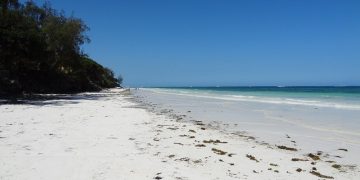
Safari in Kenya is one of the world’s most iconic travel experiences. It is a journey into wild landscapes where lions hunt, elephants move across open plains, giraffes browse beneath acacia trees, wildebeest gather in vast herds, and birds fill lakes, forests, wetlands, and savannas with colour and sound.
The word safari comes from the Swahili word for journey. In Kenya, that meaning goes beyond travel. Safari is part of the country’s identity, history, landscape, tourism, conservation story, and cultural imagination. It is a way of entering nature with curiosity, patience, respect, and wonder.
A safari in Kenya is not only about seeing animals. It is about watching life unfold in its natural theatre. It is about understanding movement, survival, instinct, territory, season, migration, and the delicate balance that keeps the wild alive.
What Makes Safari in Kenya Special
Safari in Kenya is special because the country offers some of Africa’s finest wildlife experiences within a diverse range of landscapes.
Kenya has open savannas, mountain forests, desert lakes, marine parks, highland moorlands, riverine forests, wetlands, volcanic plains, escarpments, and coastal reserves. Each landscape supports different wildlife and creates a different safari mood.
A traveler can watch the sunrise over Maasai Mara, see elephants below Mount Kilimanjaro in Amboseli, explore volcanic scenery in Tsavo, track rare species in Samburu, visit rhinos in Lake Nakuru, walk in Hell’s Gate, or enjoy marine life along the coast.
That variety makes Kenya one of Africa’s most complete safari destinations.
Safari as a Journey
Safari is often described as a journey because it is not limited to one moment.
It begins with anticipation, continues through travel across landscapes, deepens during wildlife encounters, and stays in memory long after the trip ends.
A good safari asks travelers to slow down. Animals do not appear on command. Weather changes. Tracks fade. Birds move. Predators rest. Herds migrate. The wild rewards patience.
The Theatre of the Wild
A safari is like entering a theatre where nature writes the script.
The cast includes predators, grazers, browsers, scavengers, birds, reptiles, insects, trees, grasslands, rivers, and weather. The stage may be the Mara plains, a Samburu riverbank, a Tsavo waterhole, a Rift Valley lake, or a forest trail in Kakamega.
The drama is not staged. It is real, unpredictable, and sometimes harsh.
That honesty is what gives safari its power.
The Essence of Safari
The essence of safari is observing wildlife in its natural habitat.
This does not mean rushing from one animal sighting to another. It means watching behaviour, learning patterns, understanding landscapes, and appreciating the relationship between animals and their environment.
A lion resting under shade, a giraffe walking across a plain, a buffalo staring from a thicket, or a fish eagle calling above a lake can all be part of the safari experience.
Adventure and Discovery
Safari is about adventure, but not reckless adventure.
It is the thrill of entering wild country with trained guides, reading tracks, watching animal behaviour, and understanding how life survives in open landscapes.
The best safaris combine excitement with knowledge.
Connection to Nature
Modern life often separates people from nature. Safari reverses that.
It reminds travelers that the world is larger than towns, roads, offices, screens, and schedules.
In the wild, sunrise matters. Water matters. Wind matters. Silence matters. Tracks matter. The movement of animals matters.
That connection is one of safari’s greatest gifts.
Wildlife in Kenya
Kenya is known for extraordinary wildlife diversity.
Its national parks and reserves protect many of Africa’s most famous animals, including lions, elephants, leopards, rhinos, buffaloes, giraffes, zebras, cheetahs, hippos, crocodiles, antelopes, hyenas, jackals, warthogs, and hundreds of bird species.
The Big Five
The Big Five are lion, elephant, leopard, rhino, and buffalo.
The term originally came from big-game hunting and referred to animals considered among the most difficult and dangerous to hunt on foot. Today, the term is used mainly in tourism and conservation.
For safari travelers, seeing the Big Five remains a major goal.
Lions
Lions are among the most sought-after animals on safari.
They are social cats that live in prides and are often seen resting during the day. Their hunting activity is more common in cooler hours, especially early morning, late evening, or night where night drives are permitted.
Elephants
Elephants are among the most intelligent and emotionally complex animals in the wild.
In Kenya, they are especially associated with Amboseli, Tsavo, Samburu, Laikipia, and the Maasai Mara. Watching elephants move across a landscape is one of the most powerful safari experiences.
Leopards
Leopards are elusive and often difficult to see.
They are usually solitary and may rest in trees or thick vegetation. Spotting a leopard requires patience, sharp eyes, and a good guide.
Rhinos
Rhinos are among Kenya’s most protected species.
Black and white rhinos can be seen in selected parks, conservancies, and sanctuaries. Their survival depends heavily on conservation, security, habitat protection, and anti-poaching work.
Buffaloes
African buffaloes are strong, social, and often unpredictable.
They may be seen in large herds or as solitary older males. They are common in many parks and reserves.
Other Iconic Safari Animals
Kenya’s safari experience goes far beyond the Big Five.
Some of the country’s most memorable animals are not part of that famous group.
Giraffes
Giraffes are among the most graceful animals on the savanna.
Kenya is home to different giraffe populations, including Maasai giraffes, reticulated giraffes, and Rothschild’s giraffes in selected areas.
Zebras
Zebras are common in many parks and reserves.
Their stripes, social behaviour, and movement across open plains make them an important part of the safari scene.
Cheetahs
Cheetahs are built for speed and are often seen in open grasslands.
They are especially associated with plains where they can hunt using their remarkable acceleration.
Wildebeest
Wildebeest are central to one of the greatest spectacles in the natural world.
Their large herds, restless movement, and role in the Great Migration make them one of the most important animals in East African safari.
The Great Wildebeest Migration
The Great Wildebeest Migration is one of the most breathtaking natural events in Africa.
It involves the movement of vast numbers of wildebeest, accompanied by zebras and gazelles, across the Serengeti-Mara ecosystem. The migration is driven by rainfall, grazing, breeding cycles, and survival.
For Kenya, the Maasai Mara is the main stage for the migration when the herds cross into the reserve and surrounding conservancies.
Why the Migration Matters
The migration is not only a tourism spectacle.
It is an ecological process that supports predators, scavengers, grassland renewal, and the natural rhythm of the savanna.
Lions, hyenas, cheetahs, leopards, crocodiles, vultures, and other animals all benefit from the movement of herds.
River Crossings
The Mara River crossings are among the most dramatic moments of the migration.
Wildebeest gather at crossing points, hesitate, surge forward, and face strong currents and crocodiles.
These crossings are intense, unpredictable, and emotionally powerful.
A Harsh Balance
The migration reminds travelers that nature is beautiful but not gentle.
Survival in the wild depends on speed, strength, instinct, numbers, awareness, and chance. Predators hunt. Calves are vulnerable. Rivers are dangerous. Drought can be severe.
Safari teaches that the wild is governed by balance, not comfort.
Predators and the Circle of Life
Predators are essential to the health of ecosystems.
Lions, leopards, cheetahs, hyenas, jackals, crocodiles, and raptors help regulate populations, remove weak or sick animals, and maintain the balance of the wild.
Lions and Hyenas
Lions and hyenas are among the most visible predators in Kenya’s savannas.
They compete, scavenge, hunt, and shape the behaviour of prey species.
Their presence adds tension and drama to the safari landscape.
Leopards and Cheetahs
Leopards and cheetahs hunt in different ways.
Leopards rely on stealth, cover, and ambush. Cheetahs rely on speed and open space.
Seeing either animal is a highlight of safari.
Crocodiles
Crocodiles are especially important during river crossings and in wetland habitats.
They are patient predators, often waiting silently near water.
How Safari Game Drives Work
Game drives are the most common safari activity in Kenya.
They involve guided drives through parks, reserves, or conservancies in vehicles designed for wildlife viewing.
Safari Vehicles
Safari vehicles may include 4×4 Land Cruisers, open-sided vehicles, or pop-up roof vans.
The best vehicle depends on the destination, road conditions, comfort level, budget, and type of safari.
Professional Guides
A good guide can transform a safari.
Guides understand animal behaviour, tracks, bird calls, landscapes, weather, safety, and park rules. They help travelers see more and understand more.
The guide is not just a driver. The guide is an interpreter of the wild.
Best Times for Game Drives
The best game drives are usually early morning and late afternoon.
Animals are more active during cooler hours. Midday can be quieter because many animals rest in shade.
Some private conservancies allow night drives, which reveal nocturnal animals and different behaviour.
Walking Safaris
Walking safaris offer a slower and more intimate experience.
Instead of watching wildlife from a vehicle, guests explore the landscape on foot with a trained guide.
What Walking Safaris Teach
Walking safaris focus on details often missed from a vehicle.
Guests may learn about tracks, insects, plants, bones, dung, birds, wind direction, and animal signs.
This creates a deeper understanding of the ecosystem.
Safety on Walking Safaris
Walking safaris should only be done with qualified guides in approved areas.
Wild animals are unpredictable. Safety depends on experience, awareness, rules, and proper guidance.
Safari Landscapes in Kenya
Kenya’s safari strength lies in landscape diversity.
Each region offers something different.
Open Savanna
The Maasai Mara is the classic open savanna landscape.
It offers wide plains, big skies, big cats, grazers, and migration drama.
Mountain and Forest
Mount Kenya, Aberdare, Kakamega, and Mount Elgon offer forest and highland safari experiences.
These areas are ideal for birding, primates, waterfalls, hiking, and cooler climates.
Dryland Wilderness
Samburu, Shaba, Buffalo Springs, Marsabit, and Turkana offer dryland safari landscapes.
These areas are known for unique species, arid beauty, and strong cultural experiences.
Lakes and Wetlands
Lake Nakuru, Lake Bogoria, Lake Baringo, Saiwa Swamp, Lake Kanyaboli, and coastal marine parks offer birdlife, wetlands, water species, and scenic beauty.
Coastal and Marine Parks
Kenya’s marine parks and reserves protect coral reefs, fish, turtles, dolphins, mangroves, and coastal biodiversity.
Safari in Kenya can therefore include both land and sea.
Kenya’s National Parks and Reserves
Kenya has many national parks, reserves, sanctuaries, marine parks, and protected landscapes.
Together, they form one of Africa’s most diverse wildlife tourism networks.
The supplied source notes that Kenya has dozens of national parks, reserves, and game sanctuaries covering a significant share of the country’s land area. These protected areas give visitors a chance to observe varied species in their natural surroundings.
National Parks
National parks are protected areas managed primarily for conservation, tourism, research, and public enjoyment.
Examples include Nairobi National Park, Amboseli National Park, Tsavo East, Tsavo West, Meru, Mount Kenya, Aberdare, Lake Nakuru, Hell’s Gate, Mount Longonot, Mount Elgon, and Saiwa Swamp.
National Reserves
National reserves are protected areas that may allow more local use depending on their history and governance.
Examples include Maasai Mara National Reserve, Samburu National Reserve, Buffalo Springs, Shaba, Shimba Hills, and Lake Bogoria.
Sanctuaries and Marine Parks
Sanctuaries and marine parks protect specific species, habitats, or ecosystems.
Examples include Kisumu Impala Sanctuary, Mombasa Marine Park, Watamu Marine National Park, Malindi Marine Reserve, and Kisite-Mpunguti Marine Park and Reserve.
Best Safari Destinations in Kenya
Kenya has many safari destinations, but some stand out for first-time and repeat travelers.
Maasai Mara National Reserve
The Maasai Mara is Kenya’s most famous safari destination.
It is ideal for big cats, wildebeest migration, open plains, photography, and classic safari experiences.
Amboseli National Park
Amboseli is famous for elephants and views of Mount Kilimanjaro.
It is ideal for photography, family safaris, and travelers who want dramatic landscapes.
Tsavo East National Park
Tsavo East is known for vast open spaces, red elephants, rugged scenery, and classic wilderness.
It is one of Kenya’s largest protected areas.
Tsavo West National Park
Tsavo West offers volcanic landscapes, Mzima Springs, hills, lava flows, rhinos, and dramatic scenery.
It is ideal for travelers combining safari with the coast.
Samburu National Reserve
Samburu offers dryland wildlife, river scenery, unique northern species, and cultural richness.
It is ideal for travelers looking beyond the Mara.
Lake Nakuru National Park
Lake Nakuru is known for rhinos, birds, lake scenery, buffaloes, giraffes, and easy access.
It is a strong choice for short safaris from Nairobi.
Meru National Park
Meru offers rivers, wilderness, wildlife, and a quieter safari experience.
It is ideal for travelers seeking less crowded parks.
Nairobi National Park
Nairobi National Park is unique because it offers wildlife close to a capital city.
It is ideal for short safaris, layovers, first-time visitors, and residents.
Index of National Parks and Reserves in Kenya
Baringo County
Lake Baringo National Reserve
Lake Bogoria National Reserve
Kerio Valley National Reserve
Lake Kamnarok National Reserve
Bomet County
South Western Mau National Reserve
Busia County
Malaba Sanctuary
Elgeyo-Marakwet County
Rimoi National Reserve
Embu County
Mount Kenya National Park
Irangi Forest Station
Mwea National Reserve
Garissa County
Bour-Algi Giraffe Sanctuary
Rahole National Reserve
Arawale National Reserve
Boni National Reserve
Homa Bay County
Ruma National Park
Isiolo County
Bisanadi National Reserve
Buffalo Springs National Reserve
Shaba National Reserve
Kajiado County
Amboseli National Park
Kakamega County
Kakamega National Reserve
Kilifi County
Arabuko-Sokoke Forest Reserve
Watamu Marine National Park
Malindi Marine Reserve
Kisumu County
Kisumu Impala Sanctuary
Ndere Island National Park
Kitui County
Mwingi National Reserve
South Kitui National Reserve
Kwale County
Shimba Hills National Reserve
Diani-Chale Marine National Reserve
Kisite-Mpunguti Marine National Park and Reserve
Lamu County
Dodori National Reserve
Kiunga Marine National Reserve
Machakos County
Ol Donyo Sabuk National Park
Makueni County
Chyulu Hills National Park
Ngai Ndethya National Reserve
Mandera County
Malka Mari National Park
Marsabit County
Losai National Reserve
South Island National Park
Marsabit National Park and Reserve
Sibiloi National Park
Meru County
Meru National Park
Mombasa County
Mombasa Marine National Reserve and Park
Nairobi County
Nairobi National Park
Nakuru County
Mount Longonot National Park
Crescent Island Sanctuary
Hell’s Gate National Park
Lake Nakuru National Park
Nandi County
Bonjoge National Reserve
Narok County
Maasai Mara National Reserve
Nyeri County
Aberdare National Park
Samburu County
Samburu National Reserve
Maralal National Reserve
Siaya County
Lake Kanyaboli Reserve
Tana River County
Kora National Park
Tana Primate National Reserve
Taita-Taveta County
Tsavo East National Park
Tsavo West National Park
Tharaka Nithi County
Mutejwa National Reserve
Trans Nzoia County
Mount Elgon National Park
Saiwa Swamp National Park
Turkana County
Central Island Reserve
South Turkana Reserve
West Pokot County
Nasolot National Reserve
How to Plan a Safari in Kenya
A good safari in Kenya starts with matching the destination to your interests.
Not every park offers the same experience. Some are best for big cats. Others are best for elephants, birds, walking, scenery, rhinos, or marine life.
Choose the Right Destination
For big cats and migration, choose Maasai Mara.
For elephants and Kilimanjaro views, choose Amboseli.
For vast wilderness and red elephants, choose Tsavo.
For dryland wildlife and culture, choose Samburu.
For rhinos and short safaris, choose Lake Nakuru.
For city convenience, choose Nairobi National Park.
For forests and waterfalls, choose Aberdare or Mount Kenya.
For marine life, choose Watamu, Malindi, Mombasa, Kisite-Mpunguti, or Kiunga.
Decide Your Safari Style
Safari styles include:
Private safari
Group safari
Self-drive safari
Fly-in safari
Camping safari
Luxury lodge safari
Budget lodge safari
Walking safari
Photography safari
Family safari
The right style depends on budget, comfort, time, destination, and travel goals.
Pick the Right Season
Kenya offers safari all year, but seasons matter.
Dry seasons are often better for wildlife viewing because animals gather around water and vegetation is thinner.
Rainy seasons can bring green landscapes, fewer crowds, and excellent birding, but some roads may become difficult.
Use Good Guides
A knowledgeable guide is one of the most important parts of safari.
Good guides understand where to look, how to read behaviour, and how to keep guests safe.
Safari Etiquette in Kenya
Safari is more enjoyable when travelers respect wildlife, guides, other visitors, and protected areas.
Keep Distance From Wildlife
Do not pressure animals by getting too close.
Respectful distance keeps animals calm and visitors safe.
Do Not Feed Animals
Feeding wildlife is dangerous and harmful.
It changes animal behaviour and can create conflict.
Stay on Designated Roads
Off-road driving damages habitats and may be illegal in many parks.
Follow park rules.
Keep Noise Low
Loud noise disturbs wildlife and other visitors.
Speak quietly and allow nature to be heard.
Respect Guides and Rangers
Guides and rangers understand local rules and safety.
Follow their instructions.
Best Safari in Kenya for Different Travelers
Best for First-Time Visitors
Maasai Mara, Amboseli, Lake Nakuru, and Nairobi National Park are strong choices for first-time visitors.
Best for Photographers
Maasai Mara, Amboseli, Samburu, Lake Nakuru, and Tsavo offer excellent photography opportunities.
Best for Families
Amboseli, Lake Nakuru, Nairobi National Park, Tsavo, and selected conservancies are good for families.
Best for Birdwatchers
Lake Baringo, Lake Bogoria, Kakamega, Lake Nakuru, Saiwa Swamp, Arabuko-Sokoke, and marine parks are excellent for birdwatching.
Best for Adventure Travelers
Hell’s Gate, Mount Kenya, Mount Elgon, Chyulu Hills, Samburu, and Turkana offer stronger adventure elements.
Best for Marine Safari
Watamu, Malindi, Mombasa, Kisite-Mpunguti, Kiunga, and Diani-Chale marine areas are best for reef and ocean experiences.
Frequently Asked Questions About Safari in Kenya
What is a safari in Kenya?
A safari in Kenya is a journey into national parks, reserves, conservancies, and wilderness areas to observe wildlife, landscapes, birds, and nature in their natural environment.
What does the word safari mean?
Safari comes from Swahili and means journey.
What animals can I see on safari in Kenya?
You can see lions, elephants, leopards, rhinos, buffaloes, giraffes, zebras, cheetahs, wildebeest, hippos, crocodiles, hyenas, antelopes, and many bird species.
Where is the best safari in Kenya?
The Maasai Mara is the most famous safari destination, but Amboseli, Tsavo, Samburu, Lake Nakuru, Meru, Nairobi National Park, and Aberdare also offer excellent experiences.
Can I see the Big Five in Kenya?
Yes. Kenya has all Big Five animals, though sightings depend on the destination, season, luck, and guiding quality.
When is the Great Migration in Kenya?
The migration usually reaches the Maasai Mara during the dry-season months, but exact timing changes depending on rainfall and grazing conditions.
Are walking safaris available in Kenya?
Yes. Walking safaris are available in selected areas and should only be done with qualified guides.
Is safari in Kenya good for families?
Yes. Kenya has many family-friendly safari destinations, especially Amboseli, Lake Nakuru, Nairobi National Park, Tsavo, and selected conservancies.
Key Takeaways
Safari in Kenya is one of the world’s most iconic wildlife experiences.
The word safari means journey in Swahili.
Kenya offers savannas, forests, lakes, mountains, deserts, wetlands, and marine parks.
The Big Five are lion, elephant, leopard, rhino, and buffalo.
The Great Wildebeest Migration is one of Kenya’s most famous natural spectacles.
Game drives are the most common safari activity.
Walking safaris offer a slower and deeper nature experience.
Kenya has many national parks, reserves, sanctuaries, and marine protected areas.
The best safari destination depends on your interests, budget, season, and travel style.
Conclusion
Safari in Kenya is more than a holiday. It is a journey into the living theatre of the wild.
It brings travelers face to face with animals in their natural landscapes, from lions on the Mara plains to elephants in Amboseli, rhinos in Lake Nakuru, crocodiles in rivers, birds around Rift Valley lakes, and marine life along the coast.
What makes Kenya special is not only the wildlife, but the variety of settings. Few countries offer such a complete safari experience across savanna, forest, mountain, lake, desert, wetland, and ocean.
A good safari teaches patience, respect, and wonder. It shows beauty and struggle, silence and drama, life and loss. It reminds travelers that nature is complex, powerful, and worth protecting.
For first-time visitors, Kenya offers the classic African safari. For returning travelers, it offers endless variety. For families, photographers, birdwatchers, conservation lovers, and adventure seekers, it offers unforgettable encounters.
That is the essence of safari in Kenya: a journey into wild places where every sunrise opens a new scene, every track tells a story, and every landscape reveals another part of the country’s natural soul.
Read Also: List of Best Guest Houses in Nigeria: Affordable Lodging for Every Traveler