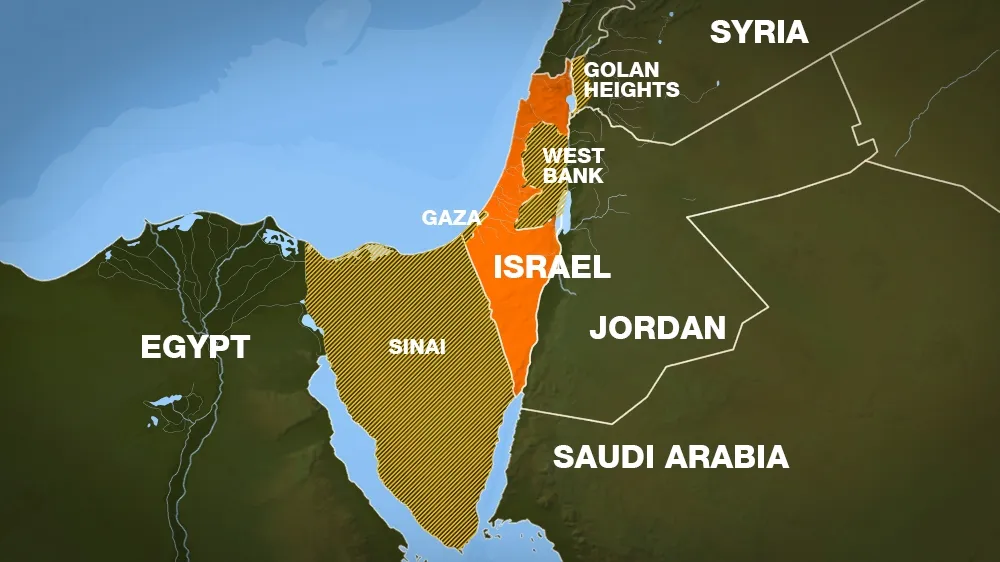
On June 5, 1967, the landscape of the Middle East changed forever. What began as a surprise Israeli airstrike on Egyptian airbases quickly unfolded into a sweeping military campaign, culminating in Israel’s occupation of the remaining Palestinian territories—East Jerusalem, the West Bank, and the Gaza Strip—as well as Egypt’s Sinai Peninsula and Syria’s Golan Heights. This pivotal moment, known in Arabic as Naksa, meaning “setback” or “defeat,” marked the completion of Israel’s occupation of historic Palestine and established the military dominance that still shapes the region today. Naksa 1967 occupation
The Background: From Nakba to Naksa
The 1967 occupation was not a standalone event. It was the continuation of a broader colonial project that began in 1948 with the Nakba, or “catastrophe,” when Zionist militias expelled over 750,000 Palestinians and destroyed more than 500 villages during the founding of the Israeli state. At the end of that war, Israel controlled about 78% of historic Palestine. The remaining 22%—comprising East Jerusalem, the West Bank, and Gaza—fell under Jordanian and Egyptian control, respectively.
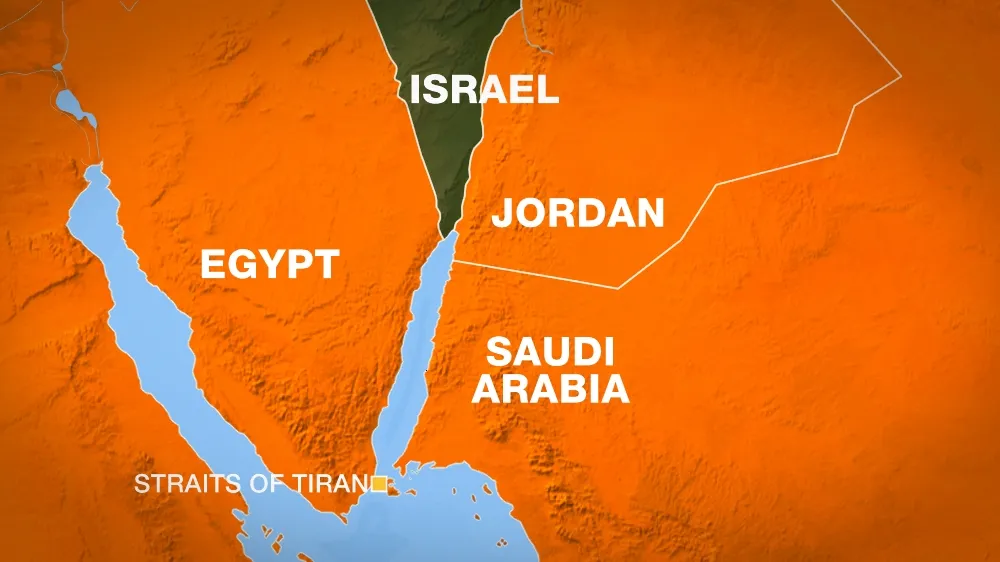
By 1967, tensions in the region had reached a boiling point. Israeli forces regularly clashed with neighboring Arab armies and Palestinian fedayeen groups. Skirmishes along the Jordanian and Syrian borders, and Israel’s reprisal raids, particularly the 1953 Qibya massacre and the 1966 attack on As Samu’, intensified the hostilities. Meanwhile, regional disputes over water rights and Soviet misinformation about an Israeli troop buildup in Syria escalated matters further.
The War Unfolds
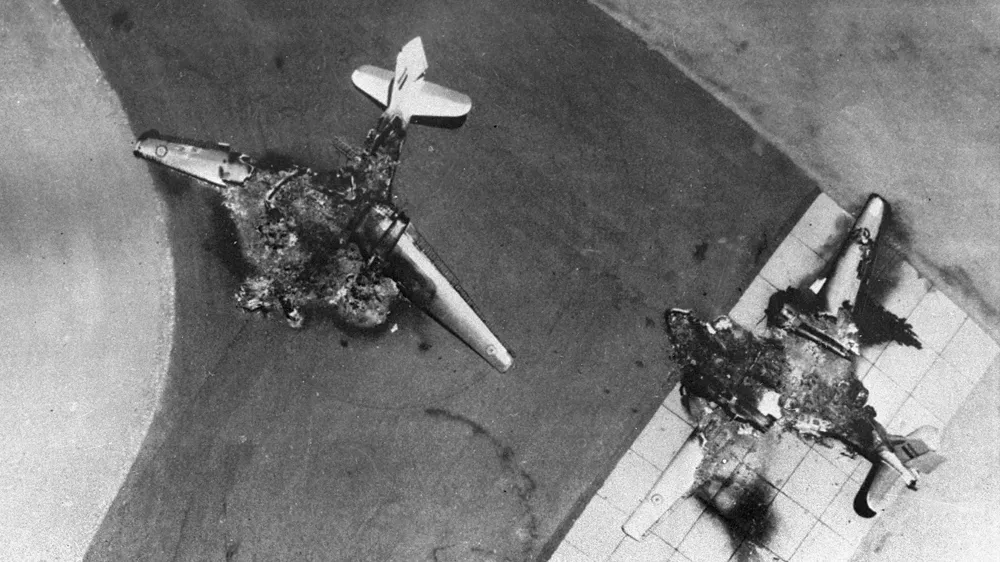
On the morning of June 5, 1967, Israel launched Operation Focus, a massive air campaign that destroyed nearly the entire Egyptian air force while it was still grounded. This preemptive strike guaranteed Israeli air superiority and paved the way for a swift ground invasion.
Israeli forces stormed into Gaza and the Sinai Peninsula, while Jordanian positions in East Jerusalem and the West Bank also came under attack. By June 7, Israeli troops had seized Jerusalem’s Old City. Within six days, Israel had occupied all Palestinian territories and additional lands from Egypt and Syria, tripling the size of its territory.
Ethnic Cleansing and Territorial Expansion
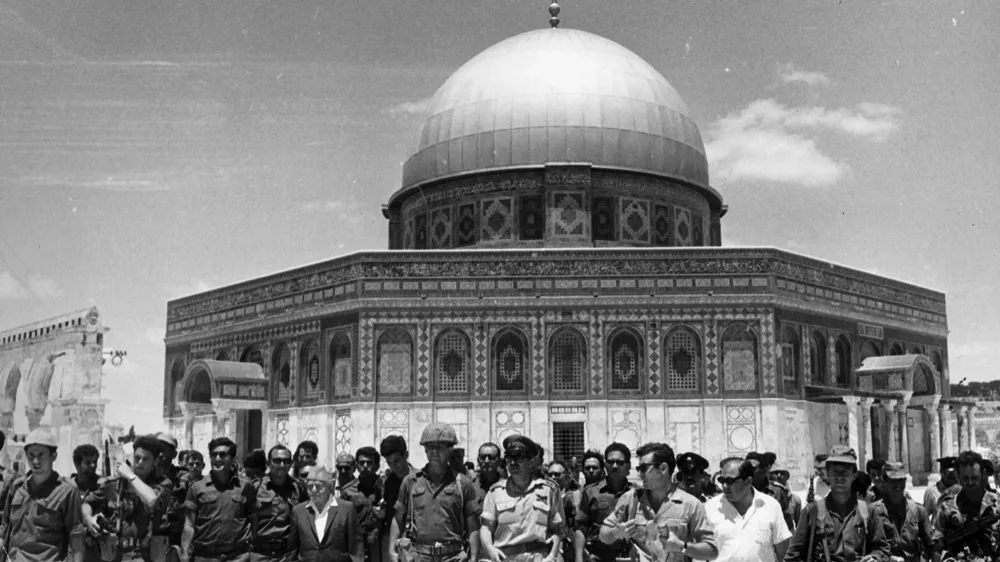
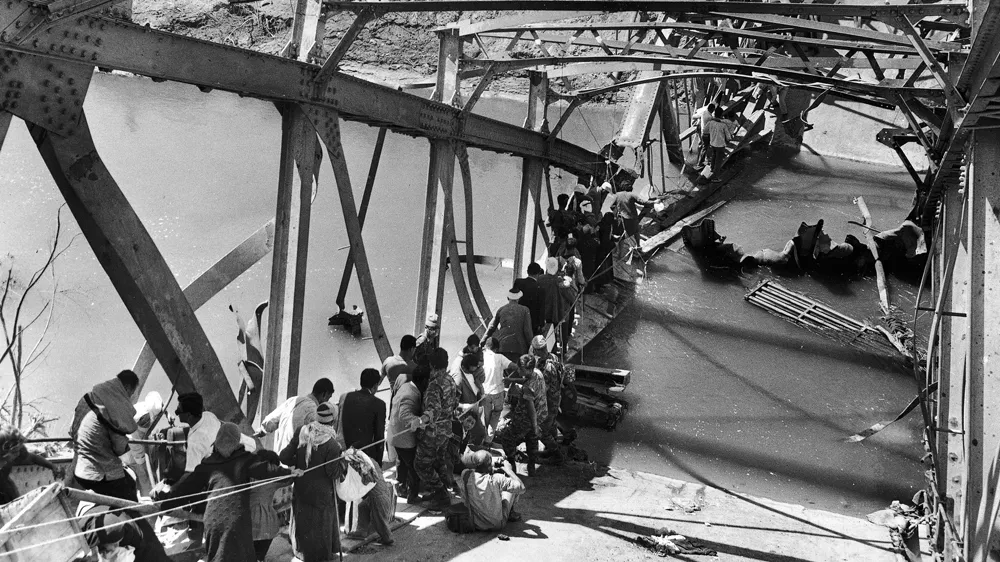
The Naksa resulted in the displacement of an additional 300,000 Palestinians—many of whom were already refugees from the 1948 war. Entire villages, including Imwas, Beit Nuba, and Yalu, were bulldozed. In Qalqilya, 12,000 residents were expelled, and homes were razed under orders from Israeli Defense Minister Moshe Dayan.
East Jerusalem’s Moroccan Quarter, a 770-year-old neighborhood, was demolished to create the Western Wall Plaza. About 100 Palestinian families were evicted overnight. This marked the start of Israel’s policy of de facto annexation and settlement construction in occupied territories, in blatant violation of international law.
The Psychological Impact and Resistance
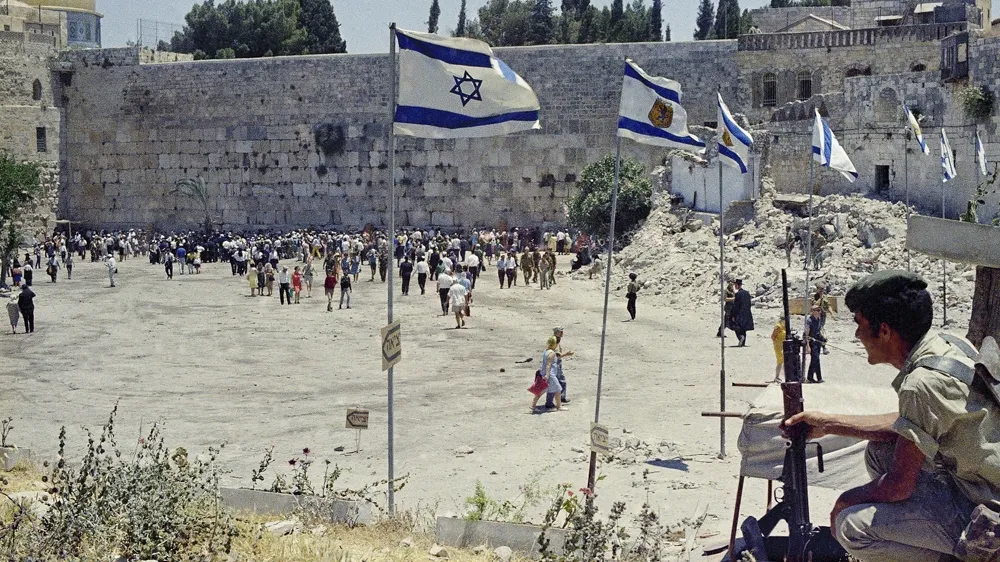
The 1967 defeat had a devastating psychological impact on the Arab world and especially on Palestinians. Arab regimes were discredited, and hopes for Arab unity dwindled. In contrast, the Israeli public celebrated what was widely viewed as a miraculous victory, fueling religious Zionist claims to the entirety of biblical Eretz Yisrael.
Palestinian political activism surged in the aftermath. Armed resistance movements, most notably the Palestine Liberation Organization (PLO), gained momentum. The ideology of “liberation through struggle” was deeply rooted in the trauma of the Naksa.
Settlements and the Rise of Apartheid
Following the war, Israel swiftly began building settlements in the newly occupied territories. By 1977, at least 11,000 Israelis had moved into settlements in the West Bank, Gaza, Golan Heights, and Sinai. Today, over 600,000 Israeli settlers live in the West Bank and East Jerusalem, shielded by an elaborate infrastructure of bypass roads and military checkpoints.
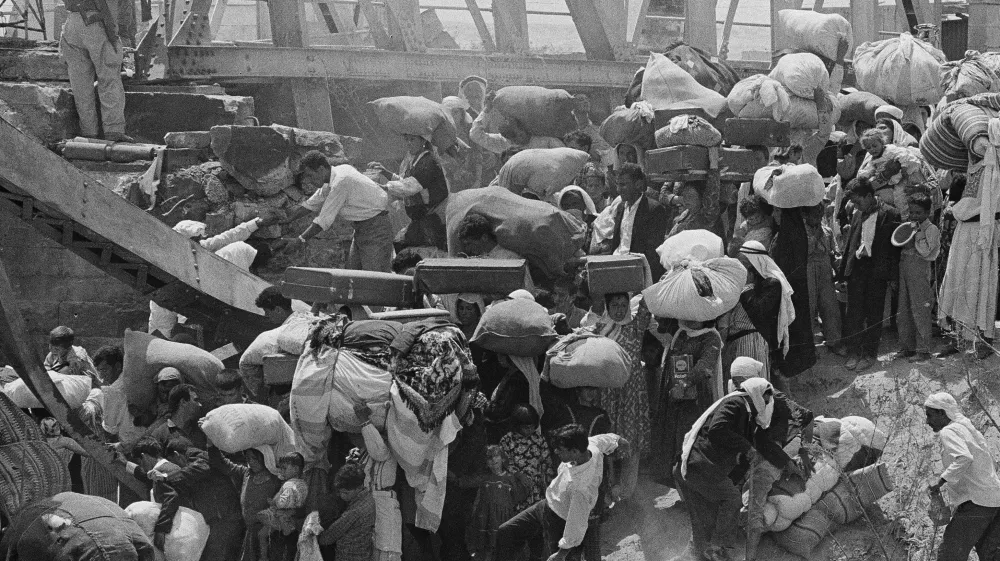
Israel’s settlement expansion, coupled with military law imposed on Palestinians, has created a two-tier system that privileges Jewish settlers while oppressing the indigenous population. According to Human Rights Watch and other watchdogs, Israel maintains an entrenched system of institutional discrimination that amounts to apartheid.
International Law and Ongoing Occupation
UN Resolution 242, passed in the wake of the 1967 war, called for Israel’s withdrawal from the occupied territories in exchange for peace. Israel ignored this resolution and proceeded to annex East Jerusalem and portions of the West Bank. These moves have never been recognized by the international community.
The Geneva Conventions prohibit an occupying power from transferring its population into the territory it occupies. Yet, successive Israeli governments have continued settlement activity and imposed military control over more than 5.1 million Palestinians.
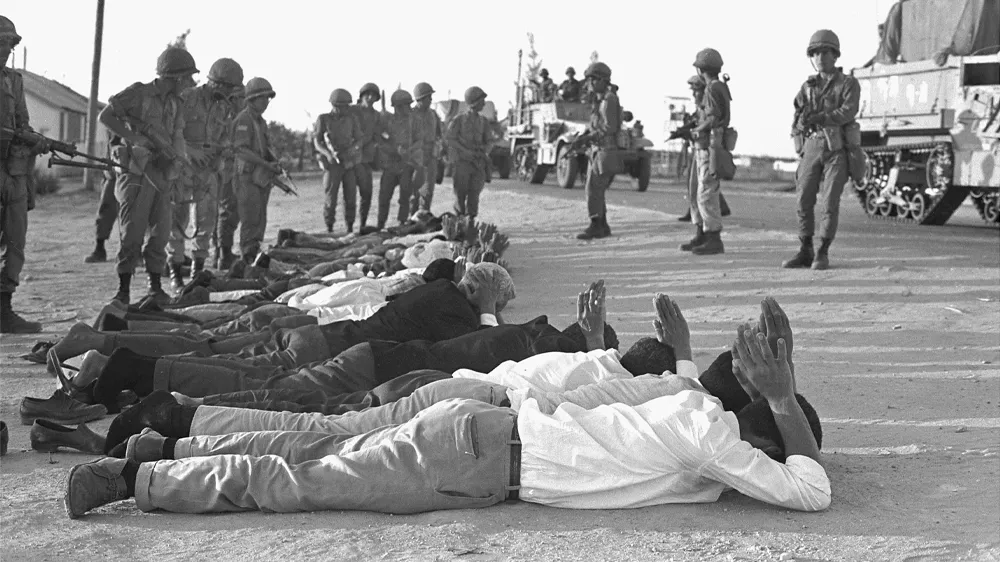
Life Under Occupation
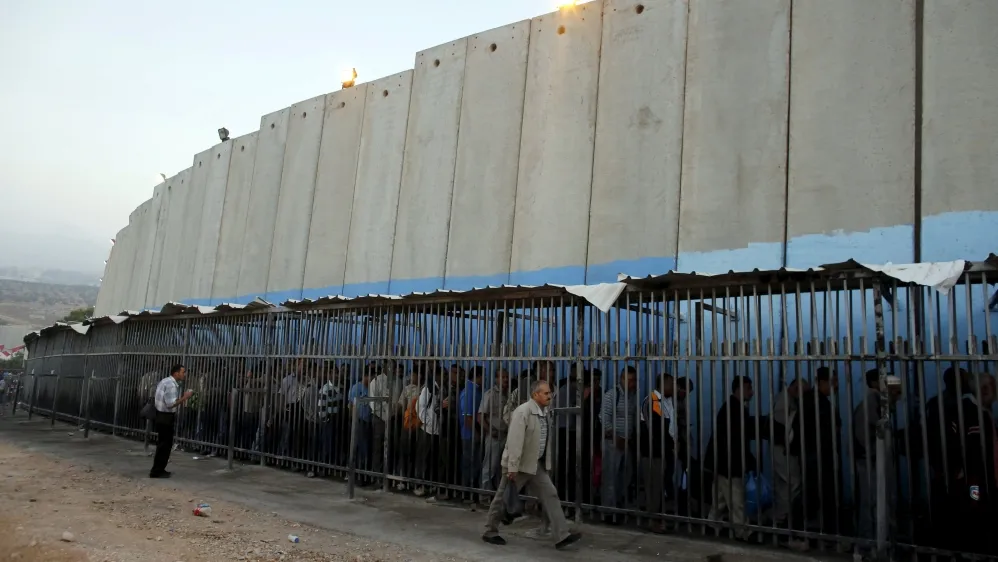
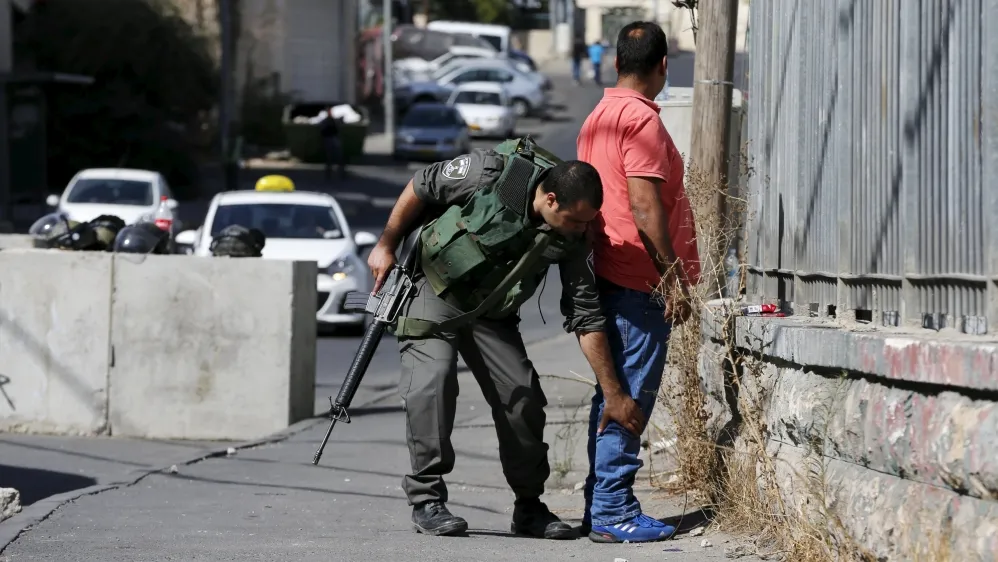
Palestinians in the West Bank face daily humiliation at Israeli checkpoints, arbitrary arrests, house demolitions, and restrictions on movement. Gaza has been under an Israeli blockade since 2007, creating dire humanitarian conditions. The Separation Wall, illegal under international law, has annexed large swaths of Palestinian land and severed families, communities, and livelihoods. Naksa 1967 occupation
The occupation, now in its 57th year, remains the longest-running military occupation in modern history. Despite global condemnation, Israel has faced little accountability, enjoying unwavering support from major Western powers.
Conclusion: A Colonial Project Unmasked
The 1967 Naksa exposed the true nature of the Zionist project—not as a mere quest for Jewish self-determination, but as a colonial campaign of expansion, dispossession, and domination. The occupation of all of Palestine was not a security necessity but a strategic choice that continues to disenfranchise millions.
As Israel continues to build settlements, tighten control, and institutionalize apartheid, Palestinians remain steadfast in their demand for liberation. The legacy of the Naksa lives on—not just in memory, but in the lived reality of every checkpoint, demolished home, and exiled refugee. Naksa 1967 occupation