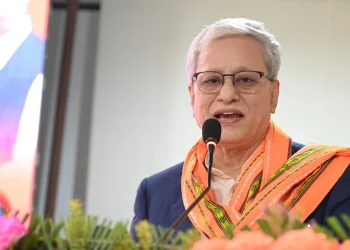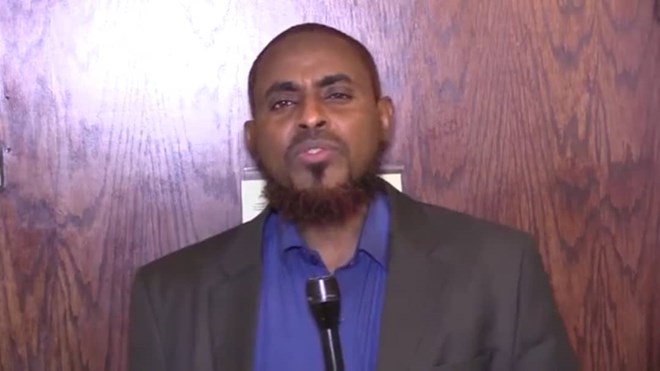
Mohammed Abduba Dida is a prominent Kenyan educator and politician best known for his unfiltered wit and bold performance in the 2013 and 2017 presidential elections. His grassroots appeal and intellectual commentary earned him both admiration and controversy across Kenya’s political landscape. This Mohammed Abduba Dida biography unveils his life journey, education, political career, family, and estimated wealth.
Profile Summary
| Attribute | Details |
|---|---|
| Full Name | Mohammed Abduba Dida |
| Date of Birth | August 23, 1974 |
| Age (2025) | 51 years |
| Birthplace | Wajir County, Kenya |
| Ethnicity | Somali-Borana |
| Religion | Islam |
| Career | Educator, Politician, Businessman |
| Political Party | Alliance for Real Change (ARC) |
| Net Worth (2025) | Estimated Ksh 250 million |
| Residence | South C Estate, Nairobi |
| Marital Status | Married to 3 wives |
| Children | 12 |
Early Life and Family Background
Born in Wajir County, Dida was raised under difficult conditions, compounded by his parents’ separation. His Somali mother and Borana father struggled to provide, forcing Dida to rely heavily on personal grit and academic pursuits to rise above poverty.
Education Journey
Dida’s academic trail began at Laheley Primary School and continued to Sabunley Secondary School. He later pursued a Diploma in Education at Kagumo Teachers College before enrolling at Kenyatta University, where he graduated with a Bachelor’s degree in Education, majoring in English Literature and Religious Studies.
Teaching Career
Before venturing into politics, Dida taught in several institutions including:
- Daadab Secondary School (Garissa)
- Wajir Girls High School
- Sabunley Secondary
- Lenana High School (Nairobi)
In 2009, he resigned from teaching to focus on politics and social reform.
Political Career and ARC Party
Alliance for Real Change (ARC)
Dida founded the Alliance for Real Change (ARC) Party in 2010, registering it officially in 2012. His party’s philosophy centers on integrity, good governance, and social equity.
2013 Presidential Run
In 2013, Dida ran for president with Joshua Odongo as his running mate. Despite limited resources, he captured the national spotlight with sharp humor and thought-provoking commentary. He finished fifth with 52,848 votes.
2017 Presidential Bid
Dida made a second presidential attempt in 2017 with running mate Titus Ngetuny, garnering 14,107 votes. Although finishing fourth in a repeat election boycotted by NASA, his visibility remained strong.
Appointments and Controversies
In 2013, President Uhuru Kenyatta appointed Dida as the Chairman of the Constituency Development Fund (CDF) Board. However, the appointment was revoked amid claims of duplication with another gazette notice issued by CS Anne Waiguru.
Since then, Dida has reportedly served in undisclosed government advisory roles, staying largely behind the scenes while still active within ARC.
Family Life and Marriages
Dida is married to three wives—Amina, Estail, and Rukia—and is a proud father of 12 children. In 2024, his second wife, Estail Ali Ibrahim, filed for divorce demanding Ksh 12 million in a case before the Kadhi’s Court.
Despite public scrutiny, Dida maintains a reputation for being a strict family man and a practicing Muslim, often expressing views rooted in morality and faith.
Mohammed Abduba Dida Net Worth in 2025
As of 2025, Mohammed Abduba Dida’s net worth is estimated at Ksh 250 million. His earnings stem from:
- Years in the education sector
- Presidential campaign endorsements
- Political consulting
- Possible business interests and investments
Although details about his real estate, vehicles, or commercial ventures remain undisclosed, sources confirm his primary residence is in South C, Nairobi.
Social Media Handles
- Twitter: @mwalimu_dida
- Facebook: Mwalimu Dida
Conclusion
Mwalimu Dida’s journey—from a Wajir classroom to presidential podiums—is a powerful reminder that charisma, courage, and authenticity can redefine political narratives. Whether or not he runs again, Mohammed Abduba Dida biography will remain etched in Kenya’s political history as a symbol of independent thought and a challenge to political elitism.