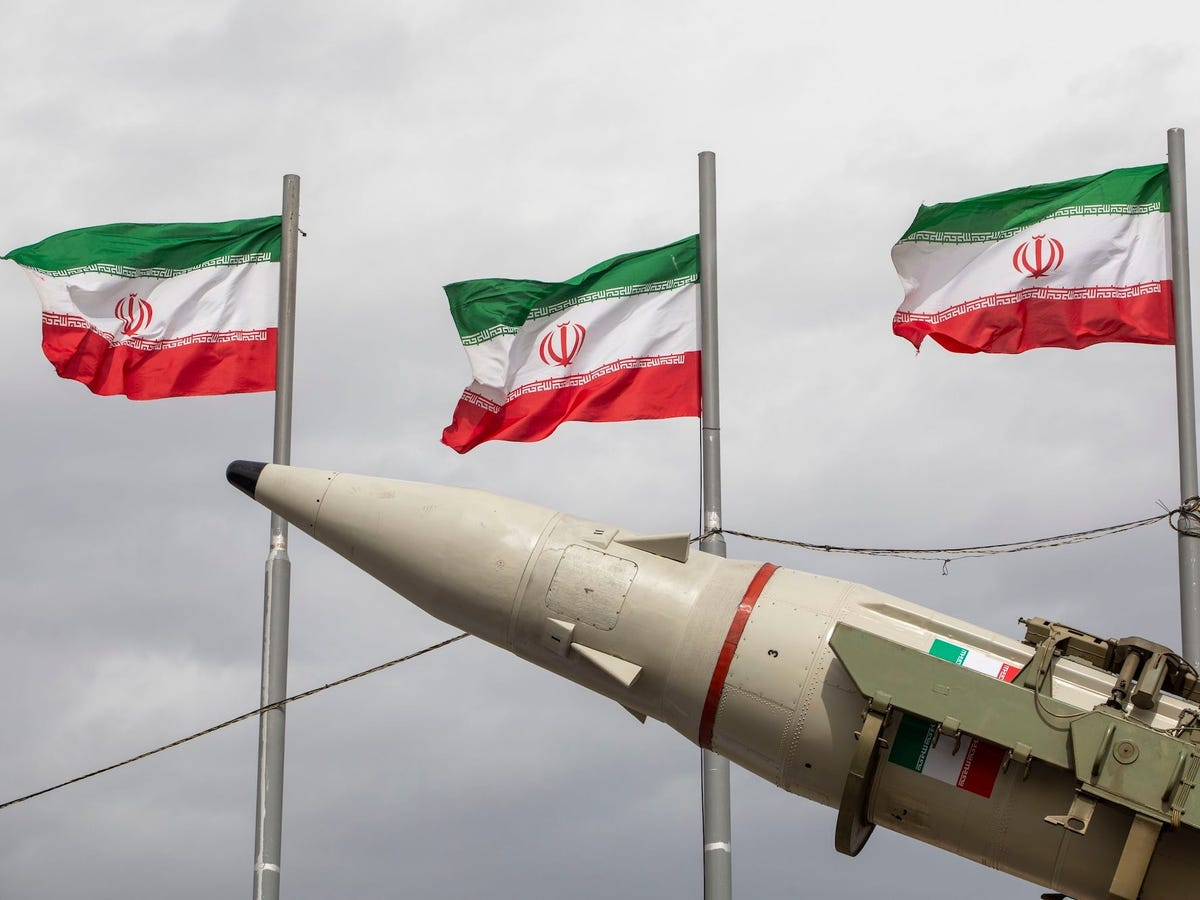
Missile Interceptions Israel were reported early Sunday after the Israeli military engaged a fresh wave of ballistic threats attributed to Iranian forces, triggering explosions and defensive engagements over central regions.
According to Israeli Army Radio and emergency responders, air defences successfully intercepted the missiles. Some of the interceptor debris fell in the city of Ramla, igniting a fire, though authorities said there were no casualties.
Missile Interceptions Israel Trigger Fire in Ramla
The Israeli Home Front Command confirmed that air defences were operating to counter incoming threats detected over the country. Explosions heard in Ramla were caused by falling fragments of intercepted missiles, and local fire crews responded to a blaze in the central city.
Emergency services stressed that the fire did not result in injuries, and residents were not reported to be in immediate danger from the debris. Many of the projectiles were neutralised at altitude, with remnants landing in open areas around the metropolitan region.
Regional Escalation and Ongoing Defence Operations
The latest Missile Interceptions Israel episode comes amid a pattern of aerial exchanges linked to the wider Middle Eastern conflict involving Iran, Israel, and allied forces. Successive waves of missiles and drones have prompted frequent air raid sirens, particularly in central and northern districts.
Israeli multi-layered air defence systems, including Iron Dome and other interceptor batteries, continue to engage incoming threats. While many interceptions are successful, falling debris periodically causes localised incidents such as fires or property damage.
Civilian Impact and Alert Systems
Sirens across central Israel have become a common occurrence as missile barrages unfold. Although direct hits on populated areas remain rare, debris from interception efforts has previously caused injuries and minor damage in cities such as Tel Aviv, Holon and other urban centres.
Local authorities repeatedly urge residents to heed Home Front Command alerts and seek shelter when sirens activate. In the case of Ramla, swift defensive action and emergency response helped contain the fire without loss of life.
Why This Matters
Missile Interceptions Israel incidents highlight how deeply the current conflict has penetrated civilian airspace and everyday life. Even when defences hold, the risk posed by falling debris and explosive remnants underscores the persistent danger to urban populations.
For regional markets, continued missile exchanges contribute to uncertainty in energy and investment sectors, as tensions in the Middle East influence global supply chains and risk assessments.
What Happens Next
Israeli defence forces are expected to maintain high alert levels and continue monitoring airspace for further threats. Government and military officials will likely provide periodic updates as the situation evolves.
Civilians are advised to stay informed through official channels and follow safety protocols during alerts.