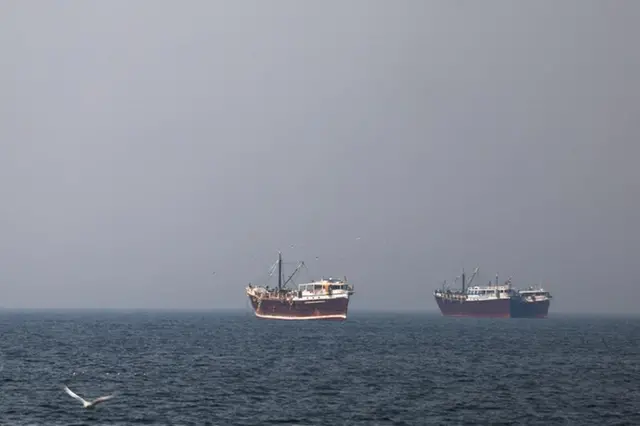
Maritime insurance premiums have surged sharply as the Iran conflict widens and shipping through the Strait of Hormuz slows. Insurers are repricing war risk coverage in real time, reflecting growing fears of vessel damage and concentrated losses in one of the world’s most critical energy corridors.
Since the latest escalation began, at least nine vessels have reported damage in the region. Meanwhile, tanker traffic has thinned dramatically. As a result, maritime insurance premiums for war coverage have jumped in some cases by more than 1000%, dramatically increasing the cost of transporting oil and commodities.
Maritime Insurance Premiums and Hormuz Risk
The Strait of Hormuz handles more than 20 million barrels of crude, condensate and fuels daily. That volume represents roughly one fifth of global oil consumption. Therefore, any sustained disruption quickly reverberates across energy and shipping markets.
War risk insurance allows shipowners to claim for damage caused by conflict or terrorism. Normally, annual policies include modest surcharges for high-risk voyages. However, current conditions have triggered extraordinary adjustments.
Before the conflict, hull war risk premiums hovered around 0.25% of vessel value. Now, rates have climbed toward 3% in some cases. For a tanker valued at $250 million, that shift translates into roughly $7.5 million per voyage in war risk costs.
Concentrated Exposure in the Gulf
According to industry estimates, roughly 1,000 vessels remain in Gulf waters. About half are oil and gas tankers. Their combined hull value exceeds $25 billion.
Such concentration amplifies insurer anxiety. If multiple vessels sustain damage in a narrow area, losses could accumulate rapidly. Analysts at Jefferies estimate potential industry losses from early incidents could approach $1.75 billion.
Moreover, insurers adjust cargo war risk premiums voyage by voyage. Energy and bulk commodity shipments face particular scrutiny. Consequently, traders must factor insurance volatility into pricing decisions.
Daily Rate Fluctuations
Insurance brokers report that maritime insurance premiums now fluctuate daily. Vessel type, cargo, and position relative to Hormuz influence pricing. Ships east of the chokepoint often face higher risk calculations.
Despite the surge, coverage remains available. However, primary underwriters may retain more exposure if reinsurers reduce capacity. That dynamic could pressure solvency levels across segments of the insurance market.
Inflation and Supply Chain Impact
Higher maritime insurance premiums ripple beyond shipping. Energy companies pass increased costs through supply chains. Ultimately, consumers may face higher fuel and transport expenses.
If tankers reroute around the Cape of Good Hope, transit times extend significantly. That shift raises freight costs and delays cargo delivery. Therefore, supply chains could tighten further if disruptions persist.
For African economies, the impact may prove significant. Many East and West African countries import refined fuels and bulk commodities via Gulf-linked routes. Consequently, rising shipping and insurance costs could strain trade balances and elevate inflation.
Policy Response and Market Uncertainty
The U.S. administration has explored measures to stabilize shipping lanes. Proposals include naval escorts for oil tankers and political risk insurance guarantees. Officials have also engaged major insurance brokers to assess options.
However, it remains unclear whether any program would apply universally across nationalities. Without coordinated intervention, most shipowners will likely accept higher premiums and absorb short-term costs.
Insurance analysts caution that pricing a war zone resembles “insuring a burning building.” As long as attacks continue, maritime insurance premiums may remain elevated or volatile.
Why This Matters
The surge in maritime insurance premiums underscores how conflict can disrupt global commerce without shutting ports entirely. Even limited damage events can reshape risk pricing across billions of dollars in trade.
Energy markets, already volatile, face additional cost layers. Emerging markets that rely on imported fuel may experience inflationary pressure as shipping expenses rise.
What Happens Next
Much depends on whether tanker traffic resumes under security guarantees. If naval escorts restore confidence, premiums could gradually retreat. However, if incidents continue, insurers may impose stricter terms or higher deductibles.
Market participants will monitor vessel movement data, rate adjustments and diplomatic signals. Until clarity emerges, maritime insurance premiums remain a key barometer of geopolitical risk in global trade.