


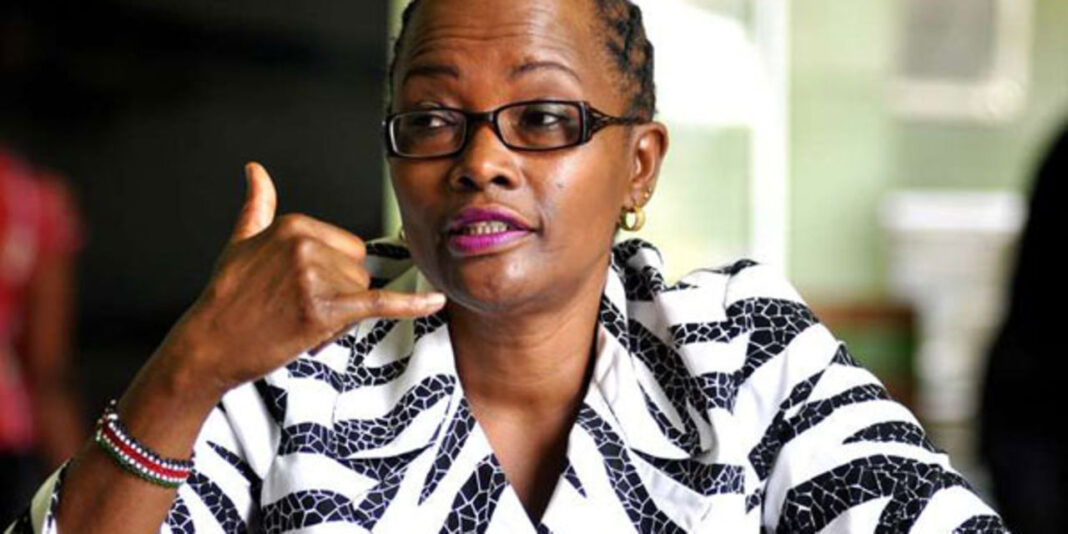
Maggie Wazome, born in Mombasa, became the voice behind Kenya’s widely recognized automated telecom message, recorded before Safaricom PLC began operations in October 2000. Her voice, associated with the phrase informing callers that a subscriber cannot be reached, has since become familiar to millions across the country.
Her journey began after she studied at Blanes Secretarial College. She later found herself at a recording studio run by Andrew Crawford, a commercial producer linked to Kenya Broadcasting Corporation. This encounter marked the beginning of her involvement in voice recording work.
Early Career and Entry into Voice Work
Wazome’s entry into voice commercials came through the recommendation of veteran radio presenter Fred Machoka. Following this introduction, she worked with Crawford’s agency, which paid her for recording commercial lines.
At the time, she was also employed at Radio Citizen before later taking up a role as a personal assistant at a company linked to Booker Tate. During this period, she recorded several lines at the studio without being informed of their final use.
In a 2015 interview with Daily Nation, Wazome recalled reading multiple scripts, including the now-famous line. She said she initially viewed the opportunity as a way to earn extra income, without anticipating its long-term impact.
Recording the Iconic Message
According to Wazome, about 16 individuals recorded similar lines during the session. However, she was later selected for the final version used in the automated system. She noted that at the time of selection, she was not aware that the client behind the recording was Safaricom.
The message itself was recorded months before Safaricom officially launched its mobile services in Kenya in October 2000. Over time, the phrase became one of the most recognizable audio cues in the country’s telecommunications landscape.
Career at Safaricom
Wazome later joined Safaricom as a Customer Experience Executive. She applied for the role after the company advertised customer care positions in a local newspaper.
During her interview, she informed the panel that she was the voice behind the well-known message. According to her account, she was asked to repeat the line, which surprised the interviewers. She indicated that the moment may have contributed to her successful recruitment.
Broader Significance
The story of Maggie Wazome reflects how early telecom developments in Kenya shaped everyday communication experiences. The automated message became part of daily life as mobile phone usage expanded rapidly in the early 2000s.
Moreover, her journey highlights the role of media professionals and voice artists in building recognizable national audio identities, even when their contributions initially go unnoticed.
Today, her voice remains embedded in Kenya’s telecommunications history, illustrating how a single recording can achieve lasting cultural recognition.


