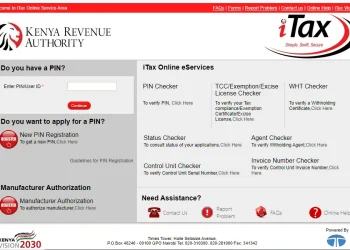

Starting January 10, 2026, the Kenya Revenue Authority (KRA) will roll out an automated system to validate income and expense declarations in individual and non-individual tax returns. This new feature will be integrated into the iTax platform, aimed at enhancing the accuracy and compliance of tax reporting across the country.
The system will automatically cross-check the data declared by taxpayers with multiple databases, such as TIMS/eTIMS invoices, withholding tax records, and import documentation from Customs systems. The goal is to ensure transparency, reduce errors, and improve overall tax compliance.
How the Automated Validation System Will Work
Under the new system, KRA will validate the income and expenses reported in tax returns using various data sources. These include:
- TIMS/eTIMS invoices: Used to verify declared income and expenses.
- Withholding Income Tax records: To ensure the correct tax amounts are reported.
- Customs records: For verification of import-related expenses and income.
The system will cross-reference these data points to confirm that the figures declared by taxpayers match the information available in the KRA’s databases. If discrepancies are found, KRA will flag them for further investigation, helping to maintain greater transparency in tax reporting.
Strict Enforcement of Digital Invoices
One of the most significant aspects of this new system is the strict enforcement of digital tax invoices. KRA has emphasized that all declared income and expenses must be supported by valid electronic tax invoices. These invoices must be transmitted correctly with the buyer’s PIN, where applicable. The rules governing digital invoices are in line with Section 23A of the Tax Procedures Act, Cap 469B and the Tax Procedures (Electronic Tax Invoice) Regulations, 2024.
Taxpayers are advised that failure to provide valid digital invoices will result in non-compliance, which could lead to penalties or additional scrutiny of their tax returns.
Preparing for the Transition
To ensure a smooth transition to the new system, KRA has recommended that businesses and individuals begin reviewing their tax filings. Specifically, KRA encourages taxpayers to request TIMS or eTIMS schedules of their annual income and expenses from their account managers. This will allow them to confirm that their submitted data matches the records in the iTax system, helping avoid any discrepancies once the new validation system goes live.
The automated validation is expected to reduce manual errors and provide a more efficient way for KRA to process tax returns, ultimately benefiting both taxpayers and the authority. As KRA continues to modernize its systems, this move will contribute to a more seamless and reliable tax filing process across Kenya.
A Step Toward Better Tax Compliance
This initiative reflects KRA’s ongoing efforts to streamline tax collection and improve compliance in Kenya’s evolving digital economy. By leveraging technology to automate verification processes, the KRA is taking a significant step towards reducing tax evasion and enhancing the efficiency of tax administration.
In the coming months, businesses and individuals will need to familiarize themselves with the updated requirements and ensure they have the correct digital invoices and other relevant documents ready for filing. The automation of the validation process will ultimately make it easier for taxpayers to comply with the rules and ensure that they are reporting accurate information.