Agriculture is the backbone of Uganda’s economy, employing over 70% of the population and contributing significantly to GDP and exports. As 2026 approaches, agribusiness presents an even more promising opportunity for income generation, job creation, and sustainable development.
Agribusiness is the industry, enterprises, and the field of study[1] of value chains in agriculture[2] and in the bio-economy, in which case it is also called bio-business[4][5] or bio-enterprise. The primary goal of agribusiness is to maximize profit while satisfying the needs of consumers for products related to natural resources. Agribusinesses comprise farms, food and fiber processing, forestry, fisheries, biotechnology and biofuel enterprises and their input suppliers.
Studies of business growth and performance in farming have found that successful agricultural businesses are cost-efficient internally and operate in favourable economic, political, and physical-organic environments. They are able to expand and make profits, improve the productivity of land, labor, and capital, and keep their costs down to ensure market price competitiveness.
Read Also: Seed Hunter Pte. Ltd. Singapore Agribusiness Profile
Agribusiness is not limited to farming. It encompasses a broader spectrum through the agribusiness system which includes input supplies, value-addition, marketing, entrepreneurship, microfinancing, and agricultural extension.
In some countries like the Philippines, creation and management of agribusiness enterprises require consultation with registered agriculturists above a certain level of operations, capitalization, land area, or number of animals in the farm.
This guide outlines the most profitable agribusiness ideas in Uganda for 2026, focusing on ventures with high returns, market demand, and scalability.
1. Commercial Poultry Farming

Poultry farming remains one of the fastest-growing agribusiness ventures in Uganda. The demand for eggs and chicken meat continues to rise, driven by population growth, urbanization, and increasing protein consumption.
Key Options:
- Broiler farming (for meat)
- Layer farming (for eggs)
- Hatchery business (producing chicks)
Requirements:
- Proper poultry houses
- Quality feeds and clean water
- Vaccination and veterinary support
Income Potential:
Poultry has a short production cycle (6–8 weeks for broilers) and provides weekly or daily income streams through egg sales.
Read Also: Garden Friends Pte. Ltd. Singapore Agribusiness Profile
2. Passion Fruit Farming

Passion fruits are highly profitable due to their short maturity time (8–12 months), high local consumption, and export potential. They thrive in many Ugandan regions and have consistent market demand from juice processors and urban markets.
Best Practices:
- Use hybrid vines for better yield
- Support vines with trellises
- Regular pruning and pest control
Returns are especially high during off-season periods when supply drops.
3. Beekeeping and Honey Processing

Beekeeping (apiculture) is low-cost, eco-friendly, and suitable even for small landholders. Uganda’s climate supports honey production throughout the year. Honey and beeswax have both domestic and export markets.
Why It’s Profitable:
- Requires minimal inputs
- High retail value per kilogram
- Can be combined with fruit orchards
Beekeeping also enhances pollination, benefiting other crops.
4. Dairy Cattle Farming

Uganda’s dairy industry continues to grow, with strong demand for milk, yogurt, cheese, and ghee. Cross-breeds and improved feeding techniques have made dairy farming more productive.
Key Success Factors:
- Proper breed selection (Friesians, Ayrshires)
- Zero grazing or semi-intensive systems
- Constant water and fodder supply
With proper care, a cow can yield 15–30 liters of milk per day, making this a stable income source.
5. Fish Farming (Aquaculture)
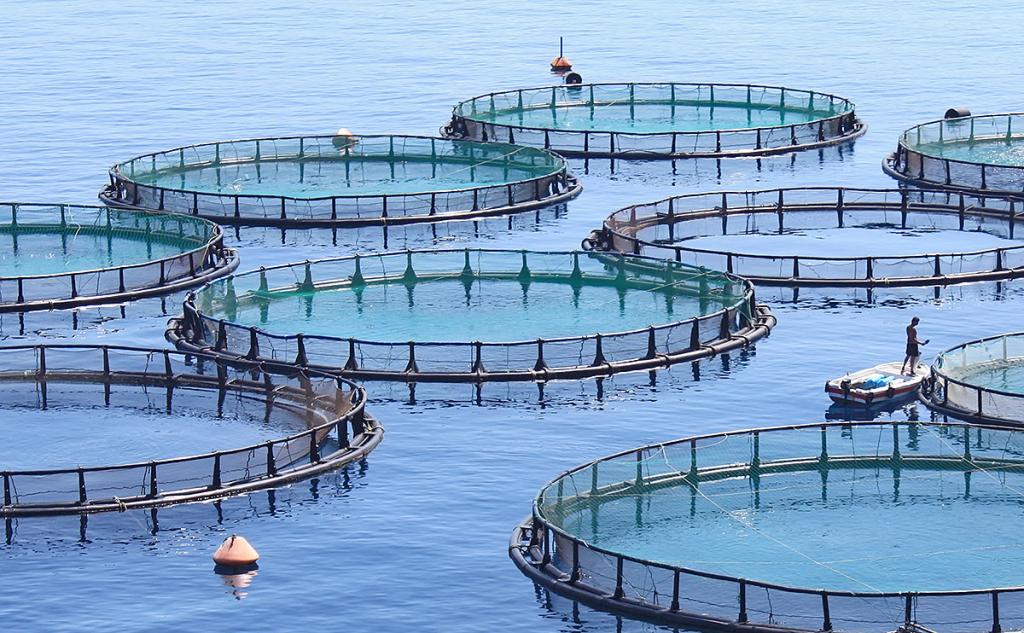
Fish farming is a growing sector in Uganda due to the declining supply from natural water bodies and rising demand. Tilapia and catfish are the most commonly farmed species.
Business Models:
- Pond farming
- Tank-based or cage culture
- Fingerling hatcheries
With proper feed and water management, fish mature in 6–8 months. Markets include hotels, local markets, and schools.
Read Also: EKO Spring Asia Pte. Ltd. Singapore Agribusiness Profile
6. Mushroom Cultivation

Mushroom farming is a high-value agribusiness ideal for urban settings with limited space. Oyster and button mushrooms are widely accepted and fetch premium prices.
Startup Requirements:
- Dark, humid room or grow house
- Spores or spawns
- Cotton waste or banana stems as substrate
Mushrooms mature in just 4–6 weeks and can be harvested multiple times a year, making them one of the quickest income-generating ventures.
7. Value Addition and Agro-Processing

Agriculture is often less profitable at the raw production level. Transforming raw materials into finished products can triple or quadruple income margins.
Examples:
- Milling maize into flour
- Making fruit juices or jams
- Drying vegetables or producing banana crisps
- Groundnut butter production
Investing in small-scale processing equipment opens new business opportunities with added shelf life, higher prices, and export readiness.
8. Goat and Sheep Rearing

Goats and sheep are hardy, low-maintenance animals that provide meat, skins, and manure. With rising meat prices and low startup costs, small livestock rearing is a reliable agribusiness.
Advantages:
- Quick multiplication (twins common)
- Adaptable to dry and hilly areas
- Market demand for goat meat, especially during festivals
Kalahari and Boer goats are popular breeds for commercial production.
9. Horticulture (Fruits and Vegetables)

Horticulture offers fast cash turnover with high domestic and export demand. Key crops include:
- Tomatoes
- Watermelons
- Cabbage
- Onions
- Bananas
- Pineapples
These crops require irrigation, good soil preparation, and pest control. Profit margins can be significant due to short production cycles (2–4 months).
Read Also: MEOD Pte. Ltd. Singapore Agribusiness and Construction Profile
10. Spice Cultivation

Spices such as chili, ginger, turmeric, and vanilla are high-value crops that perform well in Uganda’s climate. They require small acreage and have good export market potential.
Profit Drivers:
- Dried and ground spices fetch high prices
- Export opportunities to Europe and Asia
- Long shelf life after processing
Farmers can earn more by packaging spices locally instead of selling raw produce.
11. Commercial Tree Growing

Timber, eucalyptus poles, and fruit trees such as mango, avocado, and jackfruit can generate long-term income. Tree farming also supports environmental conservation and soil restoration.
Considerations:
- Requires patience (3–10 years for harvesting)
- Land security is essential
- Intercrop with short-season crops in early years
This is ideal for investors looking for future high-value returns.
Conclusion
The year 2025 presents exciting opportunities in Uganda’s agribusiness sector. Whether you’re a smallholder farmer, urban entrepreneur, or investor, agriculture offers reliable, scalable income with proper planning and execution. By choosing a venture that matches your land, capital, and skills, you can build a sustainable and profitable business in Uganda’s most vital industry.