Kenya has secured KES 22 billion (25 billion Japanese yen) in funding from Japan to accelerate electric vehicle (EV) adoption, positioning the country as a regional leader in sustainable mobility. The loan, with a repayment period of seven years, will be directed toward boosting EV manufacturing, strengthening charging infrastructure, and modernizing the national grid.
Government Allocation of Funds
The Ministry of Investment, Trade and Industry is set to receive approximately KES 14 billion, while the Ministry of Energy will get KES 5 billion. The funding will support the development of a local EV manufacturing industry, reduce dependence on imported second-hand cars, and enable installation of high-efficiency transformers to minimize transmission losses.
The balance will go toward general budget support, helping to shore up fiscal stability.
Private Sector Momentum
Kenya’s private sector has been equally active in driving the EV revolution. Nairobi-based BasiGo recently raised KES 5.5 billion to deploy 1,000 electric buses across East Africa and has partnered with Saccos for long-distance EV vans. Similarly, local manufacturer Roam secured KES 3.1 billion in Series A funding to scale production of its electric bikes and buses.
These initiatives highlight growing investor confidence in Kenya’s EV ecosystem.
Policy Support and Infrastructure Growth
The Kenyan government has reinforced its commitment to the EV sector with reduced import duties and VAT exemptions on electric vehicles, making them more affordable for consumers.
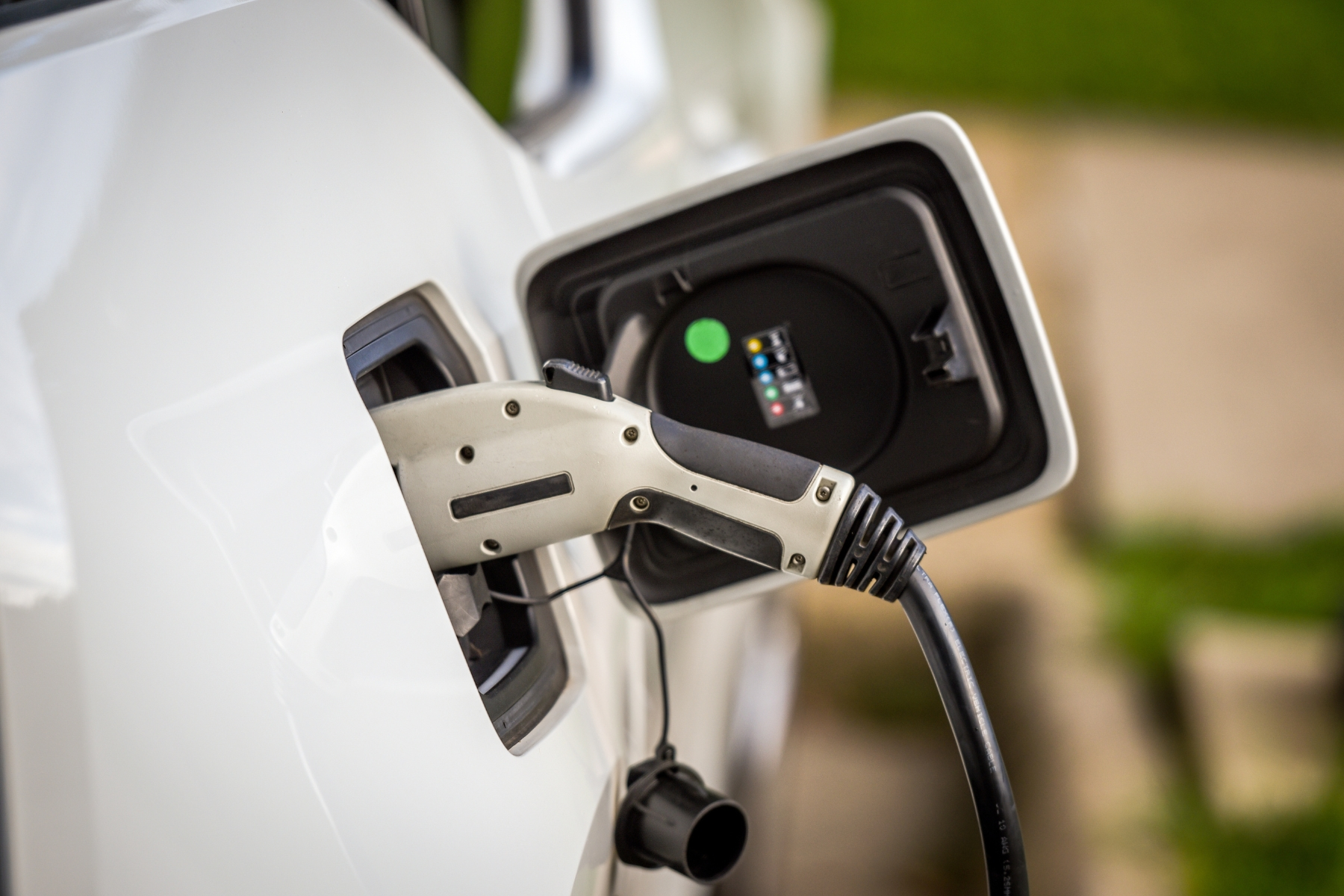
Meanwhile, Kenya Power announced plans to roll out 45 EV charging stations across six counties within the next year.
The results are already visible. Between 2018 and 2023, EV registrations jumped from just 65 units to 4,047 vehicles, representing 1.62% of all registrations. By the end of 2024, Kenya’s EV fleet had grown to around 9,000 vehicles. Projections indicate that by 2030, 30% of all new vehicles sold in the country could be electric.
Opportunities and Challenges
While the new funding strengthens Kenya’s EV strategy, challenges remain. Infrastructure expansion must keep pace with rising demand, upfront EV costs need to fall further, and regulatory consistency will be critical for long-term growth.
Still, the combined push from public investment, private capital, and supportive policy places Kenya on track to become East Africa’s EV hub, setting the stage for a more sustainable and competitive transport future.