


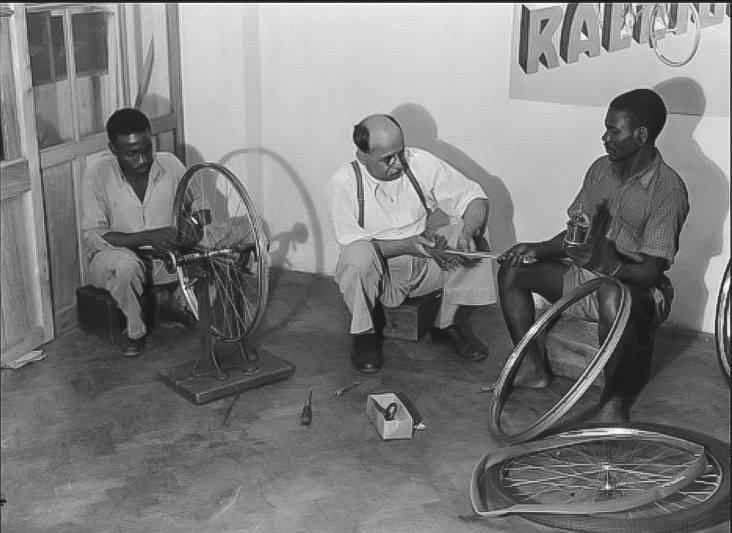
In the vibrant economic history of colonial Kenya, few figures stand out like Kassam Kanji—a self-made entrepreneur who rose from a teenage hawker in Mombasa to become Nairobi’s foremost bicycle dealer, a respected Freemason, and a symbol of Asian commercial success in East Africa.
Arrival in Mombasa: Humble Beginnings (1906)
Born in Bombay (now Mumbai) in 1892, Kassam Kanji arrived in Mombasa in 1906 at just 14 years old. Like many Indians in the early 20th century, he came in search of opportunity under the expanding British East African administration.
His first job was with the legendary Aldina Visram, a pioneer Indian merchant whose influence stretched across the region. Kassam was tasked with hawking Visram’s merchandise by bicycle across Mombasa—a foreshadowing of his future business empire.
The Nairobi Move and Entrepreneurial Rise (1916–1928)
Following Visram’s death in 1916, Kassam moved to Nairobi, where he worked under Suleiman Ahmed, a well-known furniture dealer. As a furniture delivery man, he learned logistics, customer service, and the bustling rhythm of Nairobi’s Asian business district.
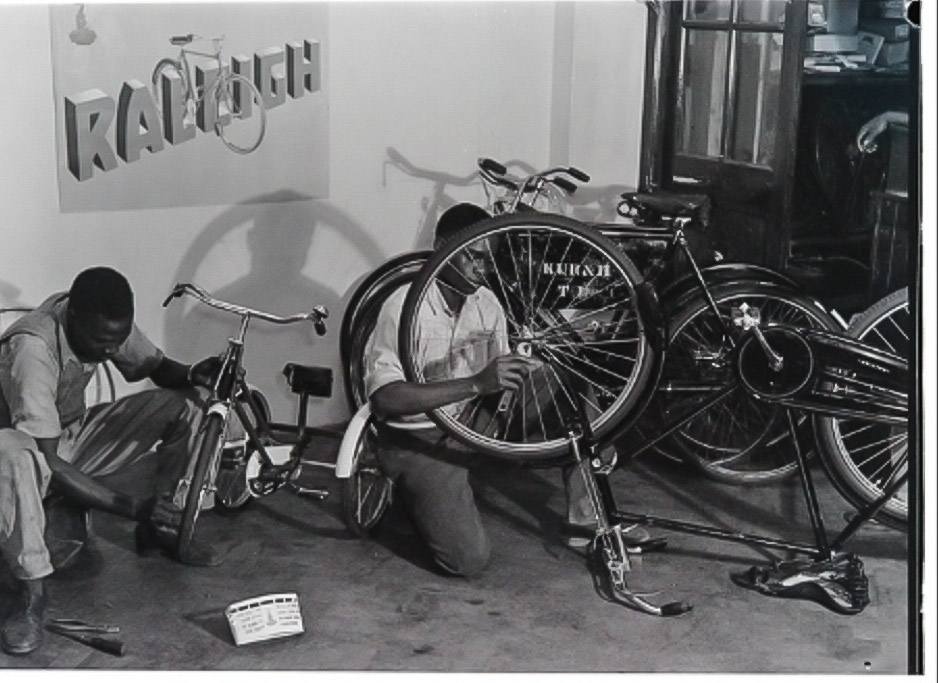
In 1923, with help from his father-in-law, Kassam took a bold step: he opened his own shop in Indian Bazaar (now Biashara Street), specializing in bicycle spare parts. The business quickly flourished. By 1928, he became the sole authorized dealer for Raleigh Bicycles in Kenya, earning him the title “Cycle King of Nairobi.”
Business Expansion and Social Status
As his success grew, so did his ambitions. In the 1930s, Kassam opened a second shop on Hardinge Street (now Kimathi Street) and diversified his offerings to include Singer sewing machines, children’s toys, and other household goods.
He acquired properties in Parklands, Kilimani, and Mombasa, furnishing his homes with imported European furniture. In 1954, he commissioned a British architect to build a grand house overlooking the Ngong Hills—a symbol of his status.
Personal Life and Commitment to Family
Despite his wealth, Kassam remained a family-oriented man. He hired a maid from Seychelles, not just for household support, but to help his children learn English, ensuring their fluency in the colonial language of opportunity.
Freemasonry and the Fight for Inclusion
Beyond business, Kassam Kanji was deeply involved in Freemasonry, having joined in 1925 in Nairobi. At the time, Freemasonry in Kenya was dominated by European settlers. Alongside others like Aldina Visram, Kassam helped pave the way for Asian involvement in this powerful and often secretive institution.
In 1952, he became a founding member of the first multiracial Freemasons Lodge in Nairobi—a revolutionary step during a time of racial segregation. This Lodge was the first of its kind to admit Africans, Asians, and Europeans as equals, demonstrating Kassam’s quiet yet firm belief in inclusivity and social progress.
Friendship with Jomo Kenyatta and Nationalist Support
Kassam Kanji’s clientele included none other than Jomo Kenyatta, who would later become Kenya’s first President. The two shared a respectful friendship. Though Kassam remained a businessman, he quietly supported African nationalism during the colonial period, aligning with progressive ideals while maintaining his commercial neutrality.
Legacy and Impact
The story of Kassam Kanji is not merely that of business success; it’s a story of vision, adaptation, and community. From his humble beginnings in Mombasa to his status as Nairobi’s bicycle mogul, his journey reflects the spirit of Kenya’s Asian entrepreneurial class.
He helped build the foundation of Nairobi’s Indian Bazaar, normalized multiracial participation in elite networks, and quietly contributed to the independence movement’s broader goals.
His name may not appear in every history book, but his influence still rolls forward—like the wheels of the Raleigh bicycles he once sold to a nation on the brink of change.


