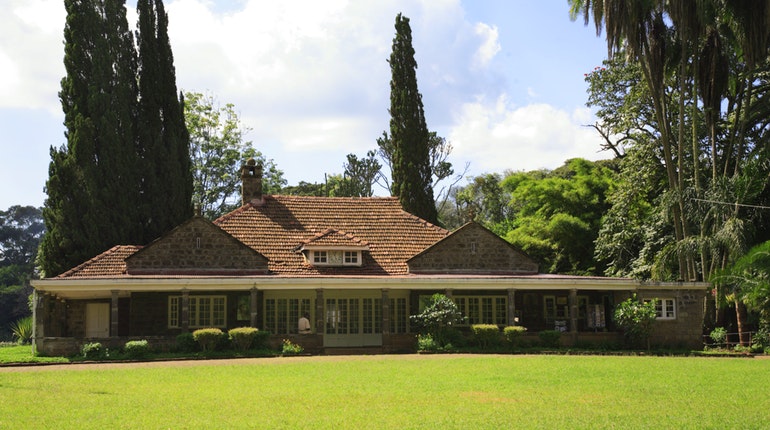
Karen Blixen Museum stands as one of Nairobi’s most evocative cultural landmarks, offering visitors a rare opportunity to step inside the former home of the celebrated Danish author Karen Blixen. Nestled in the leafy suburb that now bears her name, the museum sits quietly at the foot of the Ngong Hills, surrounded by gardens and open skies that echo the landscapes immortalized in her writing. More than a preserved house, the Karen Blixen Museum represents a meeting point of literature, history, memory, and place.
The farmhouse was once the heart of a vast agricultural estate, where Blixen lived and worked during some of the most formative years of her life. It was here that she managed a coffee plantation, hosted visitors from across the world, and developed the experiences that later shaped her memoir Out of Africa. The setting remains remarkably serene, offering a sense of continuity between the present and the early twentieth century, when the surrounding area was open countryside rather than a modern suburb.
International recognition of the Karen Blixen Museum grew significantly following the release of the film adaptation of Out of Africa. Although the movie was not filmed at this specific house, its success renewed global interest in Blixen’s life and work, transforming the farmhouse into a destination for literary enthusiasts and cultural travelers. Today, the museum attracts visitors from across Kenya and around the world, drawn by its quiet atmosphere and deep historical resonance.
What makes the Karen Blixen Museum particularly compelling is its balance between preservation and interpretation. The house retains much of its original structure and furnishings, while curated displays provide context about Blixen’s life, the colonial era, and the social dynamics of the time. Visitors are invited not only to observe but also to reflect on the layered histories embedded within the walls and grounds of the estate.
Historical Background of the Karen Blixen Museum
The house that became the Karen Blixen Museum was constructed in the early twentieth century by a Swedish engineer who designed it as a bungalow-style residence suited to the Kenyan highlands. Its architecture reflects European influences adapted to local conditions, with wide verandas, high ceilings, and large windows that frame views of the surrounding landscape.
Karen Blixen and her husband acquired the property with the intention of establishing a coffee plantation. While their partnership eventually dissolved, Blixen remained on the estate and took on the responsibility of managing the farm. Her years in Kenya were marked by both personal fulfillment and profound hardship, experiences that later shaped her literary voice.
After leaving Kenya, Blixen continued to write about her life in Africa, producing works that explored memory, identity, and loss. Following her death, the house gained renewed significance as a physical link to her legacy. The decision by the Danish government to gift the property to Kenya transformed it into a symbol of shared history and cultural exchange.
The opening of the Karen Blixen Museum to the public marked a new chapter in the house’s story. It became part of Kenya’s national heritage framework, preserving not only the physical structure but also the narratives associated with it.
Architecture and Setting of the Karen Blixen Museum
The farmhouse architecture of the Karen Blixen Museum reflects a practical yet elegant design. Built primarily from local materials, the structure blends seamlessly with its surroundings. The layout emphasizes openness, with rooms arranged to capture natural light and views of the Ngong Hills.
The surrounding grounds contribute significantly to the museum’s atmosphere. Lawns, trees, and garden paths create a sense of calm that contrasts with the bustle of central Nairobi. A relic indigenous forest borders parts of the property, supporting birdlife and adding ecological value to the site.
From the veranda, visitors can appreciate the same vistas that once inspired Blixen’s writing. The sense of space and quiet remains one of the museum’s most enduring qualities, reinforcing its appeal as a reflective destination.
Life and Work of Karen Blixen at the Farmhouse
During her years at the farmhouse, Karen Blixen balanced agricultural management with social and intellectual pursuits. She oversaw a large estate, dedicating significant land to coffee cultivation while engaging with local workers, neighboring settlers, and visiting guests.
Her interactions with the land and its people profoundly influenced her worldview. These experiences later became central themes in her writing, where she explored relationships between cultures, the passage of time, and the emotional weight of place.
The museum presents this period of Blixen’s life through preserved rooms, personal belongings, and interpretive materials. Visitors gain insight into her daily routines, creative processes, and the challenges she faced while living in colonial East Africa.
Guided Tours and Visitor Experience at the Karen Blixen Museum
Guided tours form the core of the visitor experience at the Karen Blixen Museum. Trained guides lead guests through the house, offering detailed explanations of each room and its significance. The tours highlight original furnishings, artwork, books, and personal items associated with Blixen’s life.
These guided experiences provide historical context while encouraging thoughtful engagement. Guides often address both literary achievements and broader social histories, allowing visitors to understand the estate within its wider cultural framework.
In addition to the house tour, visitors can explore the surrounding grounds independently. Walking paths lead through shaded areas and open lawns, offering opportunities for photography and quiet reflection.
Entry Fees and Charges at the Karen Blixen Museum
Entry to the Karen Blixen Museum is subject to daily admission fees that vary based on visitor category. Rates differ for non-residents, East African residents, Kenyan citizens, and children. Fees support museum operations, conservation efforts, and educational programming.
All payments are conducted through cashless systems, with visitors required to use mobile money or card-based platforms via official channels. It is recommended that visitors confirm current rates in advance, as fees may vary slightly.
Special arrangements, such as group visits and night tours, involve additional charges and require advance booking. These exclusive experiences allow extended access to the museum and provide a different perspective on the site.
Entry Fees (2026):
| Category | Adult Fee (KSh) | Approx. USD |
|---|---|---|
| Non-Resident | 1,200 – 1,500 | ~$15.00 |
| East African Resident | 600 | – |
| Kenyan Citizen | 200 – 400 | – |
| Children (Non-Resident) | 600 – 1,200 | – |
| Children (Citizen) | 100 – 200 | – |
| Note: Prices vary slightly by source; it is recommended to check the eCitizen portal for the exact daily rate before visiting. |
Key Activities and Highlights at the Karen Blixen Museum
The guided house tour remains the primary highlight of a visit to the Karen Blixen Museum. Exploring the interior spaces offers a tangible connection to Blixen’s life and literary legacy. Original furnishings and personal effects create an atmosphere of authenticity and continuity.
Outdoor features add depth to the experience. The nature trail passing through indigenous forest areas supports birdwatching and quiet walks. Views of the Ngong Hills provide a scenic backdrop that enhances the sense of place.
A gift shop located on the grounds offers locally produced crafts, books, and souvenirs related to Blixen’s work. These items support local artisans and extend the museum experience beyond the visit itself.
Night tours, available to organized groups by advance arrangement, offer a unique way to experience the estate. The changing light and atmosphere after sunset reveal new dimensions of the house and grounds.
Cultural Significance of the Karen Blixen Museum in Kenya
The Karen Blixen Museum occupies an important position within Kenya’s cultural landscape. It serves as a site of memory that reflects complex histories of colonialism, literature, and national identity. By preserving the farmhouse, the museum invites dialogue about the past while situating Blixen’s story within a broader Kenyan context.
The surrounding suburb, developed from the former estate, continues to carry Blixen’s name, linking everyday life to historical heritage. This connection underscores how landscapes evolve while retaining traces of earlier narratives.
Educational programs and exhibitions hosted at the museum contribute to public understanding of literature, history, and conservation. As a result, the Karen Blixen Museum functions not only as a tourist attraction but also as a learning space.
Getting to the Karen Blixen Museum
The Karen Blixen Museum is located along Karen Road in the Lang’ata area of Nairobi. It is easily accessible by private vehicle, taxi, or ride-hailing services. The location places it within reach of other cultural and natural attractions in the area.
Clear signage and established access routes guide visitors to the museum entrance. Parking facilities are available on-site, making it convenient for both local and international visitors.